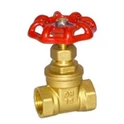
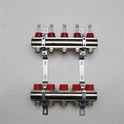
Flexibility in the realm of brass fittings is a multifaceted concept that encompasses various aspects, from material properties to design adaptability and application versatility. As a supplier of brass fittings, I've witnessed firsthand how this flexibility makes brass fittings a preferred choice in numerous industries. In this blog, I'll delve into the different dimensions of the flexibility of brass fittings and explore why they are so highly regarded.
Material - Level Flexibility
Brass is an alloy primarily composed of copper and zinc, and its unique material properties contribute significantly to its flexibility. One of the key advantages of brass is its malleability. Malleability refers to the ability of a material to be deformed under compression without cracking. This property allows brass to be easily shaped into a wide range of complex geometries. Whether it's a simple straight connector or an intricately designed elbow fitting, brass can be crafted with precision.
For instance, during the manufacturing process, brass can be forged, cast, or machined. Forging involves shaping the brass under high pressure, which aligns the grain structure of the metal, enhancing its strength. Casting, on the other hand, is suitable for creating fittings with more complex shapes. By pouring molten brass into a mold, we can produce fittings with detailed features. Machining, such as turning, milling, and drilling, is used to achieve high - precision dimensions and smooth surfaces. This ability to be processed using multiple methods gives us the flexibility to meet diverse customer requirements.
Another important material property is corrosion resistance. Brass has a natural resistance to corrosion, especially in environments where water, air, and certain chemicals are present. This makes brass fittings suitable for both indoor and outdoor applications. For example, in plumbing systems, brass fittings can withstand the constant flow of water without rusting or deteriorating quickly. In marine applications, where the fittings are exposed to saltwater, brass's corrosion - resistant nature ensures long - term durability.
Design Flexibility
Brass fittings come in a vast array of designs, which is a testament to their design flexibility. There are different types of fittings, such as couplings, elbows, tees, and reducers, each serving a specific purpose in a piping system. Couplings are used to connect two pipes of the same diameter, while elbows are used to change the direction of the pipe run. Tees allow for the branching of the pipe, and reducers are used to connect pipes of different diameters.
Moreover, the design of brass fittings can be customized according to the specific needs of the project. We can design fittings with different thread types, such as NPT (National Pipe Thread), BSP (British Standard Pipe), and metric threads, to ensure compatibility with various piping systems around the world. For example, in the United States, NPT threads are commonly used in plumbing and industrial applications, while BSP threads are more prevalent in Europe and other parts of the world.


In addition to thread types, the size of brass fittings can also be adjusted. We offer a wide range of sizes, from small - diameter fittings used in residential plumbing to large - diameter fittings for industrial applications. This size flexibility allows us to cater to different flow rates and system requirements. For example, in a large - scale industrial water supply system, large - diameter brass fittings are needed to handle high - volume water flow, while in a small - scale residential heating system, smaller - diameter fittings are sufficient.
Application Flexibility
The flexibility of brass fittings is perhaps most evident in their wide range of applications. In the plumbing industry, brass fittings are the go - to choice for both residential and commercial buildings. They are used in water supply systems, drainage systems, and gas supply systems. In water supply systems, brass fittings ensure a leak - free connection between pipes, preventing water wastage. In gas supply systems, they provide a safe and reliable connection, thanks to their strength and corrosion resistance.
The Pex Fitting for Gas is a prime example of the application flexibility of brass fittings. These fittings are specifically designed for use with PEX (Cross - Linked Polyethylene) pipes in gas supply systems. They combine the advantages of brass, such as strength and corrosion resistance, with the flexibility and ease of installation of PEX pipes.
In the heating and cooling industry, brass fittings are used in radiator systems, boiler systems, and air - conditioning systems. The Pex Fitting for Heating is designed to work efficiently in heating systems. These fittings can withstand high temperatures and pressure, ensuring the proper circulation of hot water or steam in the heating system.
In the industrial sector, brass fittings are used in chemical processing plants, oil and gas refineries, and manufacturing facilities. They are suitable for handling a variety of fluids, including chemicals, oil, and gas. For example, in a chemical processing plant, brass fittings can be used to connect pipes that carry different types of chemicals. Their corrosion resistance and strength make them capable of withstanding the harsh chemical environment.
The Y - Type Brass Filter is another application - specific brass fitting. It is used to remove impurities from the fluid flowing through the pipe. The Y - shaped design allows for efficient filtration, and the brass material ensures durability in different operating conditions.
Cost - Effectiveness and Flexibility
Cost - effectiveness is also an aspect related to the flexibility of brass fittings. While brass is not the cheapest material available for fittings, its long - term cost - effectiveness makes it a flexible choice. Due to its corrosion resistance and durability, brass fittings have a longer service life compared to some other materials. This means that the need for frequent replacement is reduced, resulting in lower maintenance costs over time.
In addition, the ability to be easily processed and customized means that we can offer brass fittings at competitive prices. We can optimize the manufacturing process to reduce production costs without compromising on quality. This cost - effectiveness gives customers the flexibility to choose brass fittings for their projects, whether they are on a tight budget or looking for a high - quality, long - lasting solution.
Conclusion
In conclusion, the flexibility of brass fittings is a combination of material properties, design options, application versatility, and cost - effectiveness. As a supplier of brass fittings, I am proud to offer a product that can meet the diverse needs of our customers. Whether it's a small - scale residential project or a large - scale industrial application, brass fittings have the flexibility to perform effectively.
If you are in the market for high - quality brass fittings, I encourage you to reach out to us. We have a team of experts who can help you select the right fittings for your specific project. We are committed to providing excellent customer service and ensuring that you get the best value for your money. Contact us today to start your procurement process and discuss your requirements.
References
- ASM Handbook, Volume 2: Properties and Selection: Nonferrous Alloys and Special - Purpose Materials.
- The Plumbing and Heating Installer's Pocket Book.
- Industrial Piping Handbook.