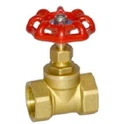
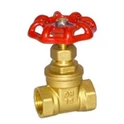
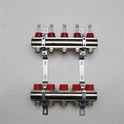
Can a duplex valve be used in a vacuum system? That's a question I've been getting a lot lately, and as a supplier of Duplex Valve, I'm more than happy to dive into it.
First off, let's understand what a duplex valve is. A duplex valve is basically a combo of two valves in one unit. It's designed to control the flow of fluids or gases in a system. You can use it to isolate different parts of a system, switch between different sources or destinations, or just regulate the flow rate. In regular systems, it's a real workhorse. You'll find it in all sorts of industrial settings, heating systems, and even some plumbing setups.
Now, when we talk about vacuum systems, things get a bit more tricky. A vacuum system is all about creating and maintaining a pressure lower than the atmospheric pressure. This is used in a ton of applications, like in scientific research for experiments that need a controlled environment, in manufacturing processes for things like semiconductor production, and even in some food packaging to keep products fresh.
So, can a duplex valve cut it in a vacuum system? Well, it depends on a few factors.
Compatibility of Materials
The first thing we need to look at is the materials the duplex valve is made of. In a vacuum system, you don't want any materials that can outgas. Outgassing is when a solid or liquid releases gas molecules into the surrounding environment. In a vacuum, this can really mess things up. It can contaminate the system, affect the pressure levels, and even interfere with the performance of sensitive equipment.
Most of the duplex valves we supply are made from high - quality brass. Brass is generally a good choice because it has relatively low outgassing rates. But, if you're dealing with an ultra - high vacuum system, you might need to consider other materials like stainless steel. Stainless steel has even lower outgassing properties and can withstand the harsh conditions of a high - vacuum environment better.
Sealing Performance
Another crucial aspect is the sealing performance of the duplex valve. In a vacuum system, a leak can be a disaster. Even a tiny leak can let in outside air, which will increase the pressure in the system and ruin the vacuum.
Our duplex valves are designed with high - quality seals. These seals are made to provide a tight fit and prevent any leakage. But again, the requirements for a vacuum system are more stringent. We use special sealing materials that are formulated to work well in low - pressure environments. For example, some of our valves use Viton seals. Viton is known for its excellent chemical resistance and its ability to maintain a good seal even under vacuum conditions.
Pressure Ratings
Pressure ratings are also super important. A duplex valve used in a regular system might have a certain pressure rating that's suitable for normal operating conditions. But in a vacuum system, the pressure differential is completely different.
You need a duplex valve that can handle the negative pressure created in the vacuum system. Our valves are tested to ensure they can withstand the pressure differentials associated with vacuum applications. We make sure that the valve body and all its components are strong enough not to collapse or deform under the vacuum pressure.
Flow Control
In a vacuum system, precise flow control is often necessary. The duplex valve needs to be able to regulate the flow of gas or fluid accurately. Our duplex valves come with adjustable features that allow you to fine - tune the flow rate. This is important because in many vacuum applications, you need to control the amount of gas being introduced or removed from the system to maintain the right pressure and environment.


Comparing with Other Valves
Now, you might be wondering how a duplex valve stacks up against other types of valves commonly used in vacuum systems. One popular alternative is the Manual Radiator Valve. Manual radiator valves are often used in heating systems to control the flow of hot water.
While a manual radiator valve can be used in some basic vacuum setups, it has its limitations. Manual radiator valves are mainly designed for low - flow applications and might not be as precise in controlling the flow in a vacuum system. They also might not have the same level of sealing performance as a duplex valve.
A duplex valve, on the other hand, offers more flexibility. You can use it to switch between different sources or destinations, which is useful in a complex vacuum system where you might need to connect multiple components.
Real - World Applications
Let's take a look at some real - world applications where a duplex valve can be used in a vacuum system.
In a laboratory setting, a vacuum system might be used for distillation processes. A duplex valve can be used to control the flow of the vapor being distilled. You can use it to isolate different parts of the distillation setup, switch between different collection vessels, and regulate the flow of the vapor to ensure an efficient distillation process.
In the manufacturing of electronic components, vacuum systems are used to deposit thin films on substrates. A duplex valve can be used to control the flow of the precursor gases into the vacuum chamber. This allows for precise control of the deposition process, which is crucial for producing high - quality electronic components.
Conclusion
So, to answer the question, yes, a duplex valve can be used in a vacuum system. But it's important to choose the right valve that meets the specific requirements of the vacuum application. At our company, we have a wide range of duplex valves that are designed and tested to work well in vacuum systems.
If you're in the market for a duplex valve for your vacuum system, don't hesitate to reach out. We can help you select the right valve based on your specific needs, whether it's about the materials, sealing performance, pressure ratings, or flow control. We're here to make sure your vacuum system runs smoothly and efficiently.
References
- "Handbook of Vacuum Physics" - This book provides in - depth knowledge about vacuum systems and the requirements for components used in them.
- "Valve Technology and Applications" - A great resource that covers different types of valves and their applications in various industries, including vacuum systems.