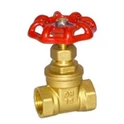
In the realm of fluid control systems, gas valves and refrigerant valves play crucial but distinct roles. As a dedicated gas valve supplier, I've had the privilege of witnessing firsthand the unique characteristics and applications of these two types of valves. This blog post aims to delve into the differences between gas valves and refrigerant valves, shedding light on their functions, designs, and usage scenarios.
1. Function and Purpose
Gas valves are primarily designed to control the flow of various gases, such as natural gas, propane, or butane. These gases are commonly used in residential, commercial, and industrial settings for heating, cooking, and powering equipment. The main function of a gas valve is to regulate the amount of gas flowing through a pipeline, ensuring safe and efficient operation. For instance, in a gas furnace, the gas valve opens and closes to supply the right amount of gas to the burner, maintaining a stable flame and proper temperature.
On the other hand, refrigerant valves are used in refrigeration and air - conditioning systems. Their main purpose is to control the flow of refrigerants, which are substances that absorb and release heat to create a cooling effect. Refrigerant valves manage the movement of the refrigerant through different components of the system, such as the compressor, condenser, evaporator, and expansion valve. By controlling the flow rate and pressure of the refrigerant, these valves help maintain the desired temperature and humidity levels in the conditioned space.
2. Design and Construction
The design of gas valves is often influenced by the properties of the gases they handle. Gas valves need to be able to withstand high pressures and ensure tight sealing to prevent gas leakage, which can be extremely dangerous due to the flammable nature of many gases. They are typically made of materials that are resistant to corrosion and wear, such as brass or stainless steel.
Many gas valves feature a simple on - off mechanism, but some more advanced models, like the Gas Regulator Valve, are designed to regulate the pressure of the gas. These valves have a diaphragm or a spring - loaded mechanism that adjusts the opening of the valve based on the pressure of the incoming gas, ensuring a constant and safe pressure downstream.
Refrigerant valves, in contrast, are designed to handle the unique properties of refrigerants. Refrigerants can exist in different states (liquid and vapor) within the system, and the valves need to be able to control the flow of both phases effectively. They are often made of materials that are compatible with the specific refrigerant used, as some refrigerants can be corrosive or reactive.
Refrigerant valves also need to be able to handle high - pressure differentials between the different parts of the refrigeration system. For example, the expansion valve is designed to reduce the pressure of the refrigerant as it enters the evaporator, allowing it to expand and absorb heat. The design of refrigerant valves is more complex in terms of the internal flow paths and the control mechanisms required to manage the phase change of the refrigerant.
3. Operating Conditions
Gas valves operate under a wide range of conditions, depending on the application. In residential settings, gas valves may operate at relatively low pressures, typically around a few inches of water column for natural gas. However, in industrial applications, they may need to handle much higher pressures, sometimes up to several hundred pounds per square inch (psi).


The temperature range for gas valves can also vary significantly. In cold climates, gas valves need to be able to operate reliably at low temperatures without freezing or losing their sealing properties. In high - temperature applications, such as in industrial furnaces, the valves need to withstand elevated temperatures without deforming or losing their functionality.
Refrigerant valves operate within the specific temperature and pressure ranges of the refrigeration or air - conditioning system. The pressure in the high - pressure side of a refrigeration system can be quite high, often several hundred psi, while the pressure in the low - pressure side is much lower. The temperature of the refrigerant can vary from very cold in the evaporator to relatively hot in the condenser.
Refrigerant valves also need to be able to handle rapid changes in pressure and temperature as the system cycles on and off. For example, when the compressor starts, there is a sudden increase in pressure in the high - pressure side of the system, and the valves need to respond quickly to maintain the proper flow of refrigerant.
4. Safety Considerations
Safety is of utmost importance when it comes to both gas valves and refrigerant valves. Gas valves need to have reliable safety features to prevent gas leaks, which can lead to explosions or fires. Many gas valves are equipped with shut - off mechanisms that automatically close the valve in case of a pressure drop, over - pressure, or other abnormal conditions.
In addition, gas valves are often required to meet strict safety standards and regulations, such as those set by national and international organizations. These standards ensure that the valves are designed, manufactured, and tested to provide a high level of safety in various applications.
Refrigerant valves also have safety requirements. Some refrigerants are toxic or have a high global warming potential (GWP), so preventing refrigerant leaks is crucial for environmental and health reasons. Refrigerant valves need to have tight seals and reliable control mechanisms to prevent the escape of refrigerant into the atmosphere.
In addition, refrigeration systems often have safety devices such as pressure relief valves to protect the system from over - pressure situations. These valves open automatically when the pressure in the system exceeds a certain limit, preventing damage to the equipment and ensuring the safety of the operators.
5. Applications
Gas valves have a wide range of applications in different industries. In the residential sector, they are used in gas stoves, water heaters, and furnaces. In the commercial sector, gas valves are used in restaurants for cooking equipment, in hotels for heating and hot water systems, and in industrial facilities for powering boilers and industrial furnaces.
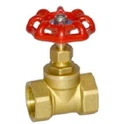
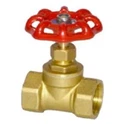
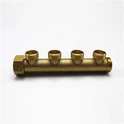
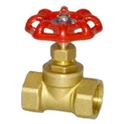
Some of the popular gas valve products we offer as a supplier include the Handle Gas Valve, which is easy to operate and suitable for a variety of gas applications, and the Trident Gas Valve, which is designed for more complex gas distribution systems.
Refrigerant valves are mainly used in refrigeration and air - conditioning systems. They are essential components in residential air conditioners, commercial refrigerators and freezers, and industrial refrigeration plants. In the automotive industry, refrigerant valves are used in vehicle air - conditioning systems to provide a comfortable environment for passengers.
Conclusion
In summary, gas valves and refrigerant valves are two distinct types of valves with different functions, designs, operating conditions, safety considerations, and applications. Understanding these differences is crucial for selecting the right valve for a specific application.
As a gas valve supplier, we are committed to providing high - quality gas valves that meet the diverse needs of our customers. Our gas valves are designed and manufactured to the highest standards, ensuring reliable performance and safety in various applications.
If you are in the market for gas valves for your residential, commercial, or industrial needs, we invite you to contact us for a detailed discussion on your requirements. Our team of experts is ready to assist you in selecting the most suitable gas valves for your project and to provide you with competitive pricing and excellent customer service.
References
- ASHRAE Handbook - Refrigeration. American Society of Heating, Refrigerating and Air - Conditioning Engineers.
- NFPA 54: National Fuel Gas Code. National Fire Protection Association.
- Valve Handbook, 4th Edition. Thorkildsen, Bjorn.