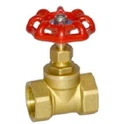
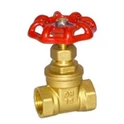
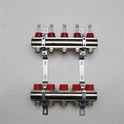
As a gas valve supplier, I've witnessed firsthand the diverse challenges that customers encounter with gas valves. Gas valves are crucial components in various applications, from residential heating systems to industrial processes. Ensuring their proper functioning is not only essential for the efficient operation of equipment but also for the safety of users. In this blog, I'll delve into some of the most common problems associated with gas valves and offer insights on how to address them.


1. Leakage
One of the most prevalent issues with gas valves is leakage. Gas leakage can occur due to several reasons, including worn-out seals, damaged valve bodies, or improper installation. Even a small gas leak can be extremely dangerous, as natural gas is a flammable substance. In a confined space, a gas leak can lead to the accumulation of gas, increasing the risk of an explosion or fire.
- Worn - out Seals: Over time, the seals inside the gas valve can deteriorate due to constant exposure to gas, high temperatures, and pressure. This can cause small gaps to form, allowing gas to escape. Regular inspection and replacement of seals can prevent this problem. For example, in a residential gas stove, if the seals around the burner valves are worn, you may notice a faint gas smell when the stove is off.
- Damaged Valve Bodies: Physical damage to the valve body, such as cracks or corrosion, can also lead to gas leakage. In industrial settings, where gas valves are exposed to harsh environments, corrosion is a common culprit. For instance, in a chemical plant, the valve bodies may be corroded by chemicals in the surrounding air or by the gas itself. To mitigate this, using high - quality valve materials and applying protective coatings can be effective.
2. Inaccurate Pressure Regulation
Gas valves are often used to regulate the pressure of the gas flowing through a system. Inaccurate pressure regulation can lead to a variety of problems, such as inefficient operation of equipment and safety hazards.
- Malfunctioning Pressure Regulating Mechanisms: The pressure regulating components in a gas valve, such as diaphragms or springs, can malfunction. For example, a damaged diaphragm may not be able to accurately sense and adjust the gas pressure. This can result in either too high or too low gas pressure in the system. In a gas boiler, if the pressure is too high, it can cause the boiler to overheat, while too low pressure may prevent the boiler from igniting properly.
- Clogged Filters: Filters in gas valves are designed to remove impurities from the gas. However, if these filters become clogged with dirt, debris, or rust, they can affect the pressure regulation. A clogged filter restricts the gas flow, leading to a drop in pressure downstream of the valve. Regular maintenance, including cleaning or replacing the filters, is necessary to ensure proper pressure regulation.
3. Difficulty in Opening or Closing
Some gas valves may become difficult to open or close, which can be a significant inconvenience and a safety concern.
- Mechanical Blockages: Foreign objects can enter the valve mechanism and cause blockages. For example, in an outdoor gas valve, dirt, leaves, or insects may find their way inside. This can prevent the valve from operating smoothly. In a Handle Gas Valve, a mechanical blockage can make it hard to turn the handle, or the valve may not fully open or close.
- Corrosion: Corrosion can also affect the mechanical parts of the gas valve. As the metal corrodes, it can cause the moving parts to stick or seize. This is particularly common in valves that are exposed to moisture or harsh chemicals. For instance, in a coastal area where the air is salty, gas valves in boats or seaside homes are more prone to corrosion - related opening and closing problems.
4. Failure to Seal Completely
A gas valve that fails to seal completely can lead to continuous gas leakage, even when the valve is in the closed position.
- Debris on Sealing Surfaces: Small particles of dirt, dust, or debris can accumulate on the sealing surfaces of the valve. When the valve is closed, these particles prevent a proper seal from forming. This is a common problem in industrial gas valves that are located in dusty environments. For example, in a mining operation, where there is a lot of dust in the air, the gas valves used in the ventilation systems may have debris - related sealing issues.
- Worn - out Sealing Components: Similar to the case of leakage due to worn - out seals, the sealing components of a gas valve can degrade over time. This can be due to normal wear and tear, or the chemical properties of the gas. For example, some gases may react with the sealing material, causing it to harden or become brittle, and thus unable to create a tight seal.
5. Electrical or Electronic Malfunctions (for Electrically - Operated Gas Valves)
In modern gas systems, many valves are electrically or electronically operated. These types of valves can experience malfunctions related to their electrical or electronic components.
- Faulty Solenoids: Solenoids are commonly used in electrically - operated gas valves to control the opening and closing. A faulty solenoid may not receive the correct electrical signal or may fail to generate the necessary magnetic force to operate the valve. This can result in the valve staying open or closed when it shouldn't.
- Wiring Issues: Loose or damaged wiring can disrupt the electrical connection to the gas valve. In a large industrial plant with a complex electrical system, wiring problems can be difficult to diagnose and fix. For example, if the wiring to a gas valve in a manufacturing process is damaged, it can lead to unexpected valve operation or complete valve failure.
Solutions and Recommendations
To address these problems, regular maintenance is key. This includes inspecting the valves for signs of wear, cleaning the valves and filters, and checking the electrical connections. Using high - quality gas valves, such as our Gas Regulator Valve and Double - Fork Gas Valve, can also reduce the likelihood of problems. When installing gas valves, it's important to follow the manufacturer's instructions carefully to ensure proper installation.
If you encounter any of these problems with your gas valves, don't hesitate to reach out for professional help. As a gas valve supplier, we have a team of experts who can assist you in troubleshooting and finding the right solutions. Whether you need a simple replacement part or a new gas valve system, we can provide high - quality products and reliable service.
If you're in the market for gas valves and want to discuss your specific needs, we're here to help. Contact us for more information and to start a procurement discussion. We're committed to supplying you with the best gas valve solutions to meet your requirements.
References
- Gas Valve Industry Standards Handbook
- Technical Manuals of Gas Valve Manufacturers