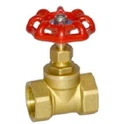
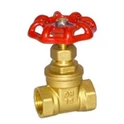
In the world of fluid control systems, gate valves play a crucial role in regulating the flow of liquids and gases. Among the various types of gate valves available, brass gate valves and bronze gate valves are two popular choices. As a supplier of brass gate valves, I often encounter customers who are confused about the differences between these two types of valves. In this blog post, I will delve into the characteristics, advantages, and applications of brass gate valves and bronze gate valves to help you make an informed decision.
Composition and Material Properties
The primary difference between brass gate valves and bronze gate valves lies in their composition. Brass is an alloy mainly composed of copper and zinc, with the zinc content typically ranging from 5% to 45%. This alloying process gives brass its distinctive yellow color and excellent malleability. On the other hand, bronze is an alloy of copper and tin, although it can also contain other elements such as aluminum, manganese, or nickel. The addition of tin to copper enhances the hardness, strength, and corrosion resistance of bronze.
Brass gate valves are known for their good machinability, which allows for precise manufacturing and tight tolerances. They are also relatively lightweight, making them easy to install and handle. However, brass has a lower melting point compared to bronze, which may limit its use in high-temperature applications.
Bronze gate valves, on the other hand, offer superior strength and durability. The presence of tin in bronze increases its resistance to wear, erosion, and corrosion, especially in harsh environments. Bronze also has a higher melting point than brass, making it suitable for applications where high temperatures are involved.
Corrosion Resistance
Corrosion resistance is a critical factor to consider when choosing a gate valve, especially in applications where the valve will be exposed to corrosive substances or environments. Brass gate valves have moderate corrosion resistance, which makes them suitable for use in water supply systems, residential plumbing, and low-pressure applications. However, in the presence of certain chemicals, such as ammonia or sulfur compounds, brass may be susceptible to corrosion.
Bronze gate valves, on the other hand, offer excellent corrosion resistance, making them ideal for use in marine environments, industrial applications, and chemical processing plants. The tin in bronze forms a protective oxide layer on the surface of the valve, which prevents further corrosion and extends the valve's service life.
Pressure and Temperature Ratings
Another important consideration when choosing a gate valve is its pressure and temperature ratings. Brass gate valves are typically rated for lower pressures and temperatures compared to bronze gate valves. They are commonly used in applications where the operating pressure is below 200 psi and the temperature is below 200°F.
Bronze gate valves, on the other hand, can withstand higher pressures and temperatures. They are suitable for use in applications where the operating pressure can reach up to 600 psi and the temperature can exceed 500°F. This makes bronze gate valves a preferred choice for industrial applications, power plants, and high-pressure water systems.
Cost
Cost is often a deciding factor when choosing between brass gate valves and bronze gate valves. Brass gate valves are generally less expensive than bronze gate valves, making them a more cost-effective option for budget-conscious customers. However, it's important to note that the cost of a gate valve is not the only factor to consider. The long-term durability, performance, and reliability of the valve should also be taken into account.
Applications
Brass gate valves are commonly used in a variety of applications, including:
- Residential plumbing: Brass gate valves are widely used in residential plumbing systems to control the flow of water to faucets, toilets, and other fixtures.
- Water supply systems: They are also used in water supply systems to regulate the flow of water from the main supply line to individual buildings or households.
- Low-pressure applications: Brass gate valves are suitable for use in low-pressure applications, such as irrigation systems, sprinkler systems, and small-scale industrial processes.
Bronze gate valves, on the other hand, are commonly used in more demanding applications, including:
- Marine applications: Bronze gate valves are widely used in marine environments, such as boats, ships, and offshore platforms, due to their excellent corrosion resistance.
- Industrial applications: They are also used in industrial applications, such as chemical processing plants, power plants, and refineries, where high pressures and temperatures are involved.
- High-pressure water systems: Bronze gate valves are suitable for use in high-pressure water systems, such as fire protection systems, hydraulic systems, and water treatment plants.
Conclusion
In conclusion, the choice between a brass gate valve and a bronze gate valve depends on several factors, including the application, operating conditions, corrosion resistance requirements, pressure and temperature ratings, and cost. Brass gate valves are a cost-effective option for low-pressure and low-temperature applications, while bronze gate valves offer superior strength, durability, and corrosion resistance, making them suitable for more demanding applications.
As a supplier of PP-R Gate Valve, Brass Gate Valve 1/2", and Customized Brass Gate Valve, I can provide you with high-quality gate valves that meet your specific requirements. If you have any questions or need further assistance in choosing the right gate valve for your application, please feel free to contact me. I look forward to working with you to find the perfect solution for your fluid control needs.


References
- ASM Handbook Volume 2: Properties and Selection: Nonferrous Alloys and Special-Purpose Materials.
- Valve World Americas Magazine.
- Industrial Valves Handbook: Principles, Applications, and Selection.