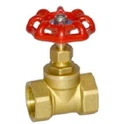
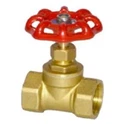
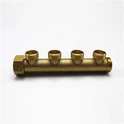
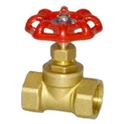
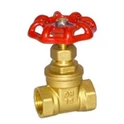
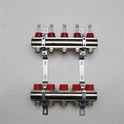
Hey there! As a supplier of brass fittings, I've been getting a lot of questions lately about the creep resistance of brass fittings. So, I thought I'd take a few minutes to break it down for you and explain what it means, why it matters, and how it affects the performance of our products.
Let's start with the basics. Creep is a phenomenon that occurs when a material is subjected to a constant load over an extended period of time. Under these conditions, the material gradually deforms, even if the stress applied is below its yield strength. This deformation can be very small at first, but it can accumulate over time and eventually lead to failure.
Now, brass is an alloy made primarily of copper and zinc, and it's known for its excellent corrosion resistance, malleability, and strength. However, like all materials, brass is susceptible to creep. The creep resistance of brass fittings refers to their ability to resist this gradual deformation under a constant load.
There are several factors that can affect the creep resistance of brass fittings. One of the most important is the composition of the brass. Different types of brass have different compositions, and some are more resistant to creep than others. For example, brass with a higher copper content tends to have better creep resistance than brass with a higher zinc content.
Another factor that can affect creep resistance is the temperature. As the temperature increases, the rate of creep also increases. This means that brass fittings that are used in high-temperature applications are more likely to experience creep than those used in low-temperature applications.

The manufacturing process can also have an impact on the creep resistance of brass fittings. For example, fittings that are cold-worked or heat-treated may have better creep resistance than those that are not. Cold-working involves deforming the brass at room temperature, which can increase its strength and hardness. Heat-treatment involves heating the brass to a specific temperature and then cooling it at a controlled rate, which can also improve its properties.
So, why does creep resistance matter? Well, if a brass fitting experiences too much creep, it can cause it to lose its shape or integrity. This can lead to leaks, failures, and other problems. In some cases, it can even be dangerous. For example, if a brass fitting in a plumbing system fails due to creep, it could cause water damage to a building or even pose a risk of flooding.
As a supplier of brass fittings, we understand the importance of creep resistance. That's why we take several steps to ensure that our products have excellent creep resistance. First, we carefully select the brass alloys that we use based on their composition and properties. We also use advanced manufacturing processes to ensure that our fittings are strong, durable, and resistant to creep.
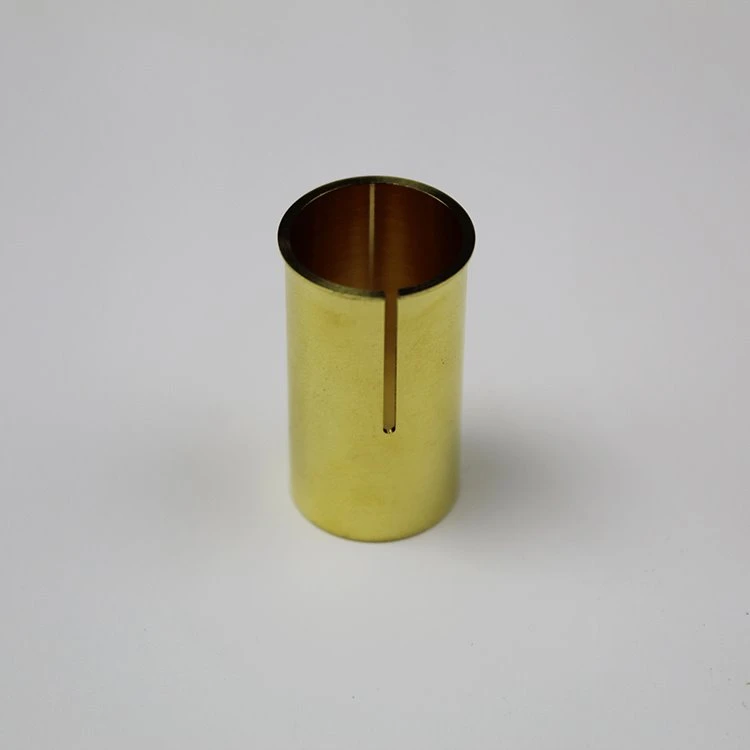
In addition, we offer a wide range of brass fittings that are designed for different applications and environments. For example, if you need a fitting for a high-temperature application, we have fittings that are specifically designed to withstand those conditions. We also offer Y-Type Brass Filter, Custom Brass Fittings, and Brass Fitting Sleeve to meet your specific needs.
If you're in the market for brass fittings, it's important to choose a supplier that you can trust. Look for a supplier that has a good reputation, uses high-quality materials, and has a proven track record of producing reliable products. At our company, we're committed to providing our customers with the best possible products and service. We stand behind our products and offer a satisfaction guarantee.
So, if you have any questions about the creep resistance of brass fittings or if you're interested in purchasing our products, please don't hesitate to contact us. We'd be happy to help you find the right fittings for your application and answer any questions you may have. Whether you're a contractor, a plumber, or a DIY enthusiast, we have the expertise and the products to meet your needs.
In conclusion, creep resistance is an important property of brass fittings. It refers to their ability to resist gradual deformation under a constant load. Several factors can affect the creep resistance of brass fittings, including composition, temperature, and manufacturing process. As a supplier of brass fittings, we take several steps to ensure that our products have excellent creep resistance. We offer a wide range of fittings for different applications and environments, and we're committed to providing our customers with the best possible products and service. If you're in the market for brass fittings, please contact us to learn more about our products and how we can help you.
References
- Callister, W. D., & Rethwisch, D. G. (2011). Materials Science and Engineering: An Introduction. Wiley.
- Askeland, D. R., & Wright, W. J. (2010). The Science and Engineering of Materials. Cengage Learning.