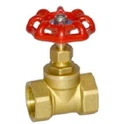
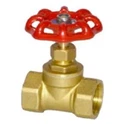
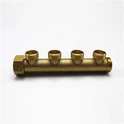
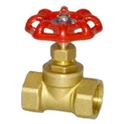
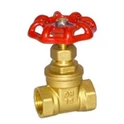
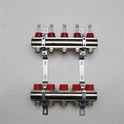
As a seasoned supplier of Duplex Valve, I've been constantly engaged in discussions and research regarding the various factors that influence the performance of these crucial components. One question that often arises in technical consultations and industry forums is whether the installation orientation affects the performance of a duplex valve. In this blog post, I'll delve into this topic, drawing on both theoretical knowledge and practical experience to provide a comprehensive analysis.
Understanding the Duplex Valve
Before we explore the impact of installation orientation, it's essential to have a clear understanding of what a duplex valve is and how it functions. A duplex valve is a type of valve commonly used in heating systems, particularly in conjunction with Manual Radiator Valve. It consists of two valves integrated into a single unit, allowing for independent control of flow and temperature in different branches of a heating circuit.
The primary function of a duplex valve is to regulate the flow of hot water or steam through a radiator or other heating device. By adjusting the position of the valves, users can control the amount of heat output, ensuring a comfortable and efficient heating environment. The design of duplex valves is based on the principles of fluid dynamics and thermodynamics, which means that their performance can be influenced by a variety of factors, including installation orientation.
Theoretical Considerations
From a theoretical perspective, the installation orientation of a duplex valve can have a significant impact on its performance. This is primarily due to the way in which fluid flows through the valve and the effect of gravity on the movement of the valve components.
Flow Dynamics
The flow of fluid through a duplex valve is governed by the principles of fluid dynamics, including Bernoulli's principle and the law of conservation of mass. When a duplex valve is installed in a horizontal orientation, the flow of fluid is generally more uniform and predictable. This is because gravity has a minimal effect on the movement of the fluid, and the valve components are more likely to operate smoothly.
On the other hand, when a duplex valve is installed in a vertical orientation, the flow of fluid can be affected by gravity. In a vertical installation, the fluid may tend to flow more rapidly downwards, which can cause uneven distribution of flow and pressure within the valve. This can lead to issues such as noise, vibration, and reduced performance.
Valve Component Movement
The movement of the valve components, such as the ball or disc, is also influenced by the installation orientation. In a horizontal installation, the valve components are more likely to move freely and smoothly, as gravity does not interfere with their movement. This allows for more precise control of the flow and temperature of the fluid.
In a vertical installation, however, gravity can cause the valve components to become misaligned or stuck. For example, if a ball valve is installed vertically with the ball facing downwards, the ball may tend to settle at the bottom of the valve, preventing it from closing properly. This can result in leakage and reduced performance.


Practical Experience
In addition to theoretical considerations, practical experience also plays a crucial role in understanding the impact of installation orientation on the performance of a duplex valve. Over the years, I've encountered numerous cases where improper installation orientation has led to performance issues and customer complaints.
Horizontal Installation
In most cases, a horizontal installation is preferred for duplex valves. This is because it provides a more stable and predictable operating environment, which can help to ensure optimal performance and longevity. When a duplex valve is installed horizontally, the flow of fluid is more uniform, and the valve components are less likely to be affected by gravity.
For example, in a large commercial heating system, I once encountered a problem where several duplex valves were installed vertically. The valves were experiencing excessive noise and vibration, and the flow of hot water through the radiators was uneven. After inspecting the valves, I found that the vertical installation had caused the valve components to become misaligned, resulting in poor performance. By reinstalling the valves horizontally, the problem was resolved, and the system returned to normal operation.
Vertical Installation
While horizontal installation is generally preferred, there are some cases where a vertical installation may be necessary or unavoidable. For example, in some compact heating systems, space constraints may require the valves to be installed vertically. In these cases, it's important to take additional precautions to ensure proper performance.
One way to mitigate the effects of vertical installation is to use a valve design that is specifically designed for vertical applications. Some duplex valves are equipped with special features, such as anti-gravity mechanisms or self-aligning components, which can help to compensate for the effects of gravity.
Another important consideration is the orientation of the valve components. When installing a duplex valve vertically, it's important to ensure that the valve components are properly aligned and that there is sufficient clearance for them to move freely. This may require additional adjustment or modification during the installation process.
Recommendations
Based on both theoretical considerations and practical experience, I recommend the following guidelines for installing duplex valves:
- Preferred Installation Orientation: Whenever possible, install duplex valves horizontally. This provides a more stable and predictable operating environment, which can help to ensure optimal performance and longevity.
- Vertical Installation: If a vertical installation is necessary, use a valve design that is specifically designed for vertical applications. Make sure to follow the manufacturer's instructions carefully and take additional precautions to ensure proper alignment and clearance of the valve components.
- Professional Installation: Always hire a qualified professional to install duplex valves. A professional installer will have the knowledge and experience to ensure that the valves are installed correctly and that they are properly adjusted and calibrated.
- Regular Maintenance: Regular maintenance is essential for ensuring the optimal performance of duplex valves. This includes inspecting the valves for signs of wear and tear, cleaning the valve components, and lubricating the moving parts.
Conclusion
In conclusion, the installation orientation of a duplex valve can have a significant impact on its performance. While a horizontal installation is generally preferred, there are some cases where a vertical installation may be necessary. By understanding the theoretical considerations and practical experience related to installation orientation, and by following the recommended guidelines, you can ensure that your duplex valves are installed correctly and that they provide optimal performance and longevity.
If you have any questions or concerns about the installation or performance of duplex valves, or if you're interested in purchasing high-quality duplex valves for your heating system, please don't hesitate to contact me. I'm always happy to provide expert advice and assistance.
References
- Fluid Mechanics: Fundamentals and Applications, Yunus A. Cengel and John M. Cimbala
- Handbook of Valves, Ashok L. Khandpur
- Installation and Maintenance Manuals for Duplex Valves, Various Manufacturers