Yo, what's up! I'm a supplier in the gas valve biz, and I've seen it all when it comes to gas valve failures. It can be a real headache for both homeowners and businesses. So, I thought I'd share some of the common reasons why gas valves go kaput.
1. Wear and Tear
Just like any other mechanical device, gas valves experience wear and tear over time. The constant opening and closing of the valve, along with the flow of gas through it, can cause the internal components to degrade. For example, the seals and gaskets that prevent gas leaks can start to harden, crack, or lose their elasticity. This can lead to small gas leaks, which not only waste gas but can also be a safety hazard.


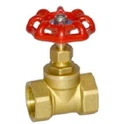
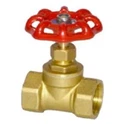
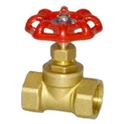
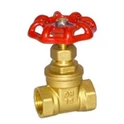
The valve stem, which is responsible for controlling the flow of gas, can also wear out. Frequent turning of the handle can cause the stem to become loose or damaged, making it difficult to open or close the valve properly. If you're using a Handle Gas Valve, you might notice that the handle becomes harder to turn or that it doesn't stay in the desired position.
2. Corrosion
Corrosion is another major culprit when it comes to gas valve failure. Gas contains various impurities and moisture, which can react with the metal components of the valve. This chemical reaction leads to the formation of rust and other corrosive substances. Over time, corrosion can eat away at the valve body, weakening its structure and causing it to fail.
Brass is a common material used in gas valves because it's relatively resistant to corrosion. However, if the valve is exposed to a highly corrosive environment, such as a damp basement or an area with high levels of sulfur in the gas, even brass valves can be affected. For instance, our Double - Fork Gas Valve and Trident Gas Valve are made of high - quality brass, but they still need to be properly maintained to prevent corrosion.
3. Contamination
Contamination can cause serious issues for gas valves. Dirt, debris, and other foreign particles can enter the valve through the gas line. These particles can get stuck in the valve's internal mechanisms, preventing it from operating smoothly. For example, a small piece of dirt can block the valve seat, preventing the valve from closing completely and leading to a gas leak.
In some cases, the gas itself can contain impurities like dust or oil. These can build up inside the valve over time, causing it to gum up and fail. If you've noticed a decrease in the performance of your gas valve or strange noises when it's operating, contamination could be the cause.
4. Improper Installation
One of the most common reasons for gas valve failure is improper installation. If the valve isn't installed correctly, it can put stress on the components and cause premature wear. For example, if the valve is tightened too much during installation, it can damage the threads or the seal, leading to leaks. On the other hand, if it's not tightened enough, it can come loose over time.
Also, the orientation of the valve matters. Some gas valves are designed to be installed in a specific position. Installing them incorrectly can affect their performance and lifespan. It's always a good idea to have a professional install your gas valve to ensure it's done right.
5. Overpressure
Gas systems operate within a specific pressure range. If the pressure in the gas line exceeds the valve's rated pressure, it can cause damage. Overpressure can occur due to a malfunction in the gas supply system, such as a faulty pressure regulator. When the valve is subjected to excessive pressure, it can cause the internal components to break or the valve body to crack.
This can lead to a sudden and dangerous gas leak. To prevent overpressure issues, it's important to have a proper pressure - regulating system in place and to regularly check the pressure in your gas lines.
6. Electrical Problems (for Electrically - Operated Gas Valves)
If you're using an electrically - operated gas valve, electrical problems can be a major cause of failure. A power surge, a short circuit, or a faulty wiring connection can all disrupt the normal operation of the valve. For example, if there's a power surge, it can damage the solenoid in the valve, which is responsible for opening and closing the valve.
In addition, a loose or corroded electrical connection can prevent the valve from receiving the proper electrical signal, causing it to malfunction. If you notice that your electrically - operated gas valve isn't working as it should, it's important to check the electrical connections and the power supply.
How to Prevent Gas Valve Failures
Now that we've talked about the common causes of gas valve failures, let's discuss some ways to prevent them. First of all, regular maintenance is key. You should have your gas valves inspected by a professional at least once a year. They can check for signs of wear, corrosion, and contamination and make any necessary repairs.
Keep the area around your gas valves clean and dry. This can help prevent corrosion and contamination. If you notice any signs of a problem, such as a gas smell, a difficult - to - turn handle, or strange noises, don't ignore them. Call a professional right away to avoid any potential safety hazards.
When it comes to buying gas valves, make sure you choose high - quality products from a reliable supplier. We offer a wide range of gas valves, including the Double - Fork Gas Valve, Trident Gas Valve, and Handle Gas Valve. Our valves are made of top - notch materials and are designed to last.
Let's Talk Business
If you're in the market for gas valves or have any questions about gas valve failures, don't hesitate to reach out. We're here to help you find the right gas valves for your needs and ensure they work properly. Whether you're a homeowner looking to replace a faulty valve or a business in need of bulk orders, we've got you covered. Contact us for a quote or to discuss your requirements further.
References
- "Gas Valve Handbook" - A comprehensive guide on gas valve technology and maintenance.
- Industry reports on gas valve failures and prevention strategies.