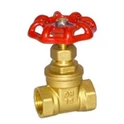
In the realm of fluid control systems, the selection of the right valve is crucial, especially in high - flow applications. As a supplier of Brass Gate Valves, I often encounter inquiries about whether these valves are suitable for high - flow systems. In this blog, I will delve into the technical aspects, advantages, and limitations of using brass gate valves in high - flow scenarios.
Understanding Brass Gate Valves
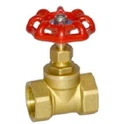
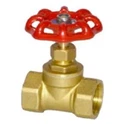
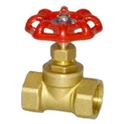
Brass gate valves are a type of linear motion valve used to start or stop the flow of fluid in a pipeline. They operate by raising or lowering a gate (a flat or wedge - shaped disc) into the path of the fluid. When the gate is fully raised, it allows unobstructed flow, and when fully lowered, it blocks the flow completely.
Brass, an alloy of copper and zinc, is a popular material for gate valves due to its excellent corrosion resistance, good machinability, and relatively high strength. These properties make brass gate valves suitable for a wide range of applications, including water supply systems, heating systems, and some industrial processes.
Factors Affecting the Use of Brass Gate Valves in High - Flow Systems
1. Flow Capacity
The flow capacity of a valve is determined by its size and the design of its internal passageway. In general, larger - sized brass gate valves can handle higher flow rates. However, compared to some other types of valves, such as ball valves or butterfly valves, brass gate valves may have a relatively higher pressure drop at high flow rates. This is because the gate, when fully open, still creates a certain amount of turbulence in the fluid flow path.
For instance, in a large - scale water distribution system where high - volume flow is required, the pressure drop across a brass gate valve can be a concern. If the pressure drop is too high, it may lead to increased energy consumption for pumps to maintain the desired flow rate.
2. Pressure Rating
High - flow systems often operate at relatively high pressures. Brass gate valves come with different pressure ratings, which are determined by the thickness of the valve body, the quality of the brass material, and the design of the valve components.
When considering a brass gate valve for a high - flow system, it is essential to ensure that its pressure rating is sufficient to withstand the operating pressure of the system. If the pressure exceeds the valve's rating, it can lead to valve failure, such as leakage or even rupture.
3. Erosion and Wear
In high - flow systems, the fluid can carry particles or debris that can cause erosion and wear on the valve components. The gate of a brass gate valve is particularly vulnerable to erosion, especially at the edges where the fluid flow is more turbulent.
Over time, erosion can cause the gate to lose its sealing ability, leading to leakage. To mitigate this issue, some brass gate valves are equipped with hardened seats or coatings to increase their resistance to erosion and wear.
Advantages of Using Brass Gate Valves in High - Flow Systems
1. Full - Port Design
Most brass gate valves have a full - port design, which means that when the gate is fully open, the internal diameter of the valve is the same as the internal diameter of the pipeline. This allows for a relatively unobstructed flow of fluid, minimizing the pressure drop compared to some other valve types with reduced - port designs.
In high - flow systems, the full - port design of brass gate valves can be beneficial as it helps to maintain a high flow rate with minimal energy loss.
2. Positive Shut - Off
Brass gate valves provide a positive shut - off when the gate is fully closed. This is important in high - flow systems where it may be necessary to isolate a section of the pipeline for maintenance or repair.
The tight seal provided by the gate ensures that there is no leakage when the valve is closed, preventing fluid loss and potential damage to the system.
3. Cost - Effectiveness
Compared to some other types of valves used in high - flow systems, such as stainless - steel ball valves or large - diameter butterfly valves, brass gate valves are generally more cost - effective. This makes them an attractive option for applications where budget constraints are a concern.
Limitations of Using Brass Gate Valves in High - Flow Systems
1. Slow Operation
Brass gate valves typically require multiple turns of the handle to open or close the gate fully. In high - flow systems where quick response times may be required, such as in emergency shut - off situations, the slow operation of brass gate valves can be a drawback.
2. Susceptibility to Water Hammer
Water hammer is a phenomenon that occurs when the flow of fluid in a pipeline is suddenly stopped or changed. The rapid change in fluid momentum can cause a pressure surge in the pipeline, which can damage the valve and other components of the system.
Brass gate valves are more susceptible to water hammer because of their slow closing time. When the gate is closed, the fluid flow is gradually reduced, but the sudden stop can still generate a significant pressure surge.
Suitable Applications for Brass Gate Valves in High - Flow Systems
Despite their limitations, brass gate valves can be used effectively in certain high - flow applications.
1. Low - Pressure High - Flow Water Systems
In low - pressure water distribution systems, such as residential or small - scale commercial water supply systems, brass gate valves can be a suitable choice. The relatively low pressure reduces the risk of pressure - related issues, and the full - port design allows for efficient water flow.
2. Non - Critical Systems
In non - critical high - flow systems where quick response times and resistance to water hammer are not major concerns, brass gate valves can be used. For example, in some industrial cooling water systems where the flow rate is high but the pressure is relatively low, brass gate valves can provide a cost - effective solution for flow control.
Our Product Offerings
As a supplier of Brass Gate Valves, we offer a wide range of products to meet different customer needs. Our PP - R Gate Valve combines the advantages of brass and PP - R materials, providing excellent corrosion resistance and durability.
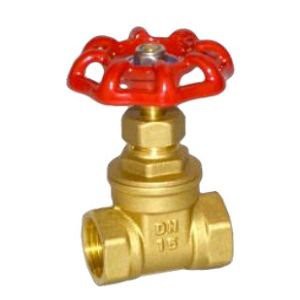

For applications with specific size requirements, our Brass Gate Valve 1/2" is a popular choice. It is designed to provide reliable flow control in smaller - diameter pipelines.
We also understand that some customers may have unique requirements. That's why we offer Customized Brass Gate Valve services. Our team of experts can work with you to design and manufacture a brass gate valve that meets your specific specifications.
Conclusion
In conclusion, while brass gate valves have some limitations in high - flow systems, they can still be a viable option in certain applications. Their full - port design, positive shut - off, and cost - effectiveness make them attractive in low - pressure, non - critical high - flow scenarios.
If you are considering using brass gate valves in your high - flow system, it is important to carefully evaluate your system's requirements, including flow rate, pressure, and the presence of erosive particles. Our team of experts is always ready to assist you in selecting the right valve for your application. Contact us for a detailed discussion on your needs and to explore our product offerings for potential procurement.
References
- Valve Handbook: Principles and Applications, by Valve Manufacturers Association
- Fluid Mechanics and Hydraulic Machines, by R. K. Bansal