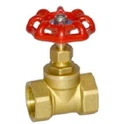
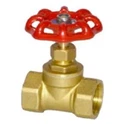
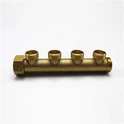
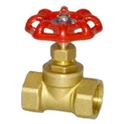
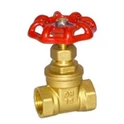
Hey there! As a supplier of brass ball valves, I've had my fair share of experiences dealing with these nifty little devices. One question that often pops up is, "What are the storage conditions for a brass ball valve?" Well, let's dive right in and find out.
First off, let's talk about why proper storage is so important. Brass ball valves are precision-engineered components. They're used in a wide range of applications, from plumbing systems in your home to industrial setups. If they're not stored correctly, they can get damaged, which means they won't work as they should when you finally need them.
Temperature
The temperature is a crucial factor when it comes to storing brass ball valves. You don't want to store them in an area that's too hot or too cold. Extreme temperatures can cause the brass to expand or contract, which might lead to leaks or other issues.
Ideally, you should store brass ball valves in a place where the temperature stays between 10°C and 35°C (50°F and 95°F). This range is kind of like the Goldilocks zone for these valves - not too hot, not too cold, just right.
If you're storing them in a warehouse, make sure there's proper ventilation. This helps to keep the temperature stable and prevents any hot spots from forming. You don't want your valves sitting in a corner where the temperature is much higher than the rest of the room.
Humidity
Humidity is another biggie. Brass is a metal, and like most metals, it can rust or corrode if it's exposed to too much moisture. So, you need to keep the humidity levels in check.
The ideal humidity level for storing brass ball valves is between 30% and 60%. You can use a hygrometer to measure the humidity in the storage area. If the humidity is too high, you might want to consider using a dehumidifier. On the other hand, if it's too low, you could use a humidifier to bring it back up to the right level.
If you're storing the valves in a coastal area or a place with a lot of rainfall, you need to be extra careful. The air in these areas tends to be more humid, so you might need to take additional precautions. You could store the valves in sealed containers with desiccant packs to absorb any excess moisture.
Protection from Physical Damage
Brass ball valves are relatively sturdy, but they can still get damaged if they're not handled properly. You don't want them getting knocked around or scratched.
When you're storing the valves, make sure they're placed in a way that they won't be crushed or damaged by other items. You could use storage racks or shelves to keep them organized. If you're stacking them, make sure you don't stack them too high, as this could cause the bottom valves to get damaged.
Also, avoid storing them in areas where they might be exposed to vibrations. Vibrations can loosen the internal components of the valve, which could lead to malfunctions. If you're storing them near machinery or other equipment that vibrates, you might want to use shock-absorbing materials to protect them.
Cleanliness
It's important to keep the storage area clean. Dust, dirt, and debris can accumulate on the valves and cause problems. For example, dirt can get into the valve's moving parts and prevent it from opening and closing properly.
Make sure the storage area is regularly cleaned. You can use a vacuum cleaner or a broom to remove any dust and dirt. If the valves get dirty, you can clean them with a mild detergent and a soft cloth. Just make sure you dry them thoroughly before storing them again.

Packaging
The packaging of the brass ball valves also plays a role in their storage. When we supply the valves, we make sure they're properly packaged to protect them during transit and storage.
The valves are usually packed in cardboard boxes or plastic bags. These packages help to keep the valves clean and protected from physical damage. If you're storing the valves for a long time, you might want to consider re-packaging them if the original packaging gets damaged.
Specific Types of Brass Ball Valves
We offer different types of brass ball valves, each with its own unique features and requirements. For example, our Forged Brass Ball Valve is made using a forging process, which makes it stronger and more durable. However, it still needs to be stored under the right conditions to maintain its quality.
Our Filter Ball Valve has a built-in filter, which means it needs to be kept clean to ensure proper filtration. When storing this type of valve, you need to make sure the filter doesn't get clogged with dirt or debris.
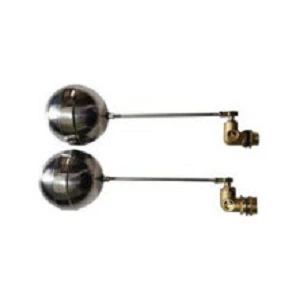
And then there's our Brass Ball Float Valve. This valve is used in applications where it needs to control the flow of liquid based on the level of the liquid. It's important to store it in a way that the float mechanism isn't damaged.
Long-Term Storage
If you're planning to store the brass ball valves for a long time, there are a few additional things you need to consider.
First, you might want to apply a thin layer of protective oil to the valves. This helps to prevent rust and corrosion. You can use a light machine oil or a specialized metal protectant. Just make sure you clean the valves thoroughly before using them again.
Second, you should check the valves periodically. Even if they're stored under the right conditions, there's still a chance that something could go wrong. You can check for signs of rust, corrosion, or damage. If you notice any issues, you can take appropriate action to fix them.
Conclusion
So, there you have it - the storage conditions for brass ball valves. By following these guidelines, you can ensure that your valves stay in good condition and are ready to use when you need them.
If you're in the market for high-quality brass ball valves, we're here to help. We've got a wide range of valves to choose from, and we can provide you with all the information you need to make the right choice. Whether you need a Forged Brass Ball Valve, a Filter Ball Valve, or a Brass Ball Float Valve, we've got you covered.
If you have any questions or if you're interested in placing an order, don't hesitate to get in touch. We're always happy to have a chat and discuss your specific requirements. Let's work together to find the perfect brass ball valves for your needs.
References
- General knowledge of brass materials and valve engineering
- Industry best practices for valve storage and maintenance