Hey there! As a water pipe fittings supplier, I've seen my fair share of worn - out pipe fittings over the years. Replacing a worn - out water pipe fitting might seem like a daunting task at first glance, but with the right guidance and tools, it can be a relatively straightforward DIY project. In this blog, I'll walk you through the process step by step.
First off, why do you need to replace a worn - out water pipe fitting in the first place? Well, a worn - out fitting can lead to leaks, which not only waste water but can also cause damage to your home's structure over time. Water stains on your walls, ceilings, or floors are often tell - tale signs of a leaky fitting. If left unaddressed, these leaks can develop into mold and mildew problems, which can be a health hazard.
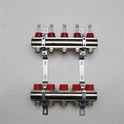
Let's start by identifying the type of water pipe fitting you're dealing with. There are different materials commonly used for water pipe fittings, such as stainless steel and copper. Stainless steel fittings are known for their durability and resistance to corrosion. They're a great choice for areas where there's high moisture or the water has a high mineral content. You can find a wide range of Stainless Steel Water Pipe Fittings on our website.
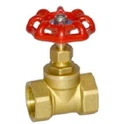
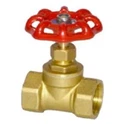
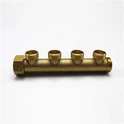
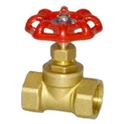
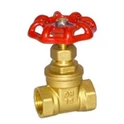
On the other hand, copper fittings are popular because of their excellent heat conductivity and ease of soldering. Copper is also resistant to corrosion, but it might need more maintenance in certain water conditions. If you're looking for copper options, check out our Copper Water Pipe Fitting.
Before you start the replacement process, you need to gather a few essential tools. You'll need a pipe wrench, which is used to loosen and tighten the fittings. A hacksaw might be necessary if you need to cut the pipe. Teflon tape is also a must - have. It's used to create a watertight seal between the threads of the fittings. And don't forget a bucket to catch any water that might spill out during the process.
Once you have your tools ready, the first step is to turn off the water supply. This is crucial to prevent any water from gushing out when you start working on the fitting. Locate the main water shut - off valve in your home. It's usually near the water meter or where the main water line enters your house. Turn the valve clockwise until it's fully closed.
Next, you need to drain the water from the pipes. Open all the faucets in your home, both hot and cold, to let the water flow out. This will relieve the pressure in the pipes and reduce the amount of water that will leak when you remove the fitting. You can also flush the toilets to empty the water from the tanks.
Now, it's time to remove the old fitting. Use the pipe wrench to loosen the fitting. If it's a threaded fitting, turn the fitting counter - clockwise. Be careful not to apply too much force, as this can damage the pipe. If the fitting is stuck, you can try using a little bit of lubricant or heating the fitting with a heat gun (make sure you're following all safety precautions if you use a heat gun).
Once the old fitting is removed, take a good look at the pipe. Check for any signs of corrosion or damage. If the pipe looks damaged, you might need to cut out the damaged section using a hacksaw. Make sure to cut the pipe straight and smooth.
Before installing the new fitting, clean the end of the pipe. Use a wire brush to remove any debris, rust, or old Teflon tape. This will ensure a proper seal when you install the new fitting.
If you're using a threaded fitting, wrap Teflon tape around the male threads of the fitting in a clockwise direction. Make sure to wrap the tape tightly and evenly. Don't wrap it too many times, as this can make it difficult to screw the fitting on.
Now, it's time to install the new fitting. Carefully screw the fitting onto the pipe in a clockwise direction. Use the pipe wrench to tighten it, but don't over - tighten. Over - tightening can cause the fitting to crack or damage the pipe.
After the new fitting is installed, turn the water supply back on. Check the fitting for any leaks. You can do this by looking for drips or by feeling around the fitting for wetness. If you notice a leak, try tightening the fitting a little bit more. If the leak persists, you might need to remove the fitting, re - apply the Teflon tape, and reinstall it.
Once you're sure there are no leaks, turn on all the faucets in your home one by one to let the water flow through the pipes. This will help to remove any air bubbles that might have gotten into the system.
Replacing a worn - out water pipe fitting is a great way to save money on plumbing repairs and prevent further damage to your home. And if you ever need high - quality water pipe fittings, we've got you covered! We're a reliable water pipe fittings supplier, and we offer a wide variety of fittings in different materials and sizes. Whether you're a DIY enthusiast or a professional plumber, we can provide you with the products you need.
If you're interested in our products or have any questions about water pipe fittings, feel free to reach out to us. We're always happy to help you with your procurement needs and have a discussion about the best solutions for your project.


References:
- "Home Plumbing for Dummies" by Joe Kraynak
- Online plumbing forums and communities where DIYers and professionals share their experiences.