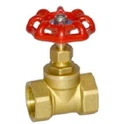
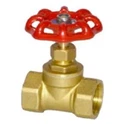
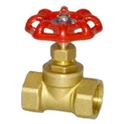
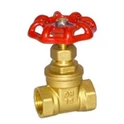
Brass globe valves are widely used in various industries due to their durability, corrosion resistance, and reliable shut - off capabilities. As a supplier of brass globe valves, I have had extensive experience with these products. While they offer many advantages, it is important to be aware of their disadvantages as well. This blog post aims to explore the drawbacks of brass globe valves, which can help customers make more informed decisions when choosing the right valve for their applications.
High Pressure Drop
One of the most significant disadvantages of brass globe valves is the high pressure drop they cause. The design of a globe valve includes a disk that moves perpendicular to the flow path. When the valve is open, the fluid has to change its direction multiple times as it passes through the valve. This change in direction creates turbulence and resistance, resulting in a significant loss of pressure.
In systems where maintaining a consistent pressure is crucial, such as in high - pressure pipelines or precision fluid control systems, the high pressure drop of brass globe valves can be a major issue. For example, in a water distribution system, the energy required to pump water through a series of globe valves with high pressure drops can be substantial. This not only increases the operating cost but also puts additional stress on the pumps and other components in the system.
Limited Flow Capacity
Compared to some other types of valves, brass globe valves have relatively limited flow capacity. The internal structure of the globe valve restricts the flow of fluid. The small opening between the disk and the seat, along with the complex flow path, reduces the amount of fluid that can pass through the valve at a given time.
In applications where a large volume of fluid needs to be transferred quickly, such as in industrial processes with high - flow requirements or in large - scale water treatment plants, brass globe valves may not be the best choice. For instance, in an oil refinery, where large amounts of crude oil need to be transported through pipelines, a valve with a higher flow capacity would be more suitable to ensure efficient operation.
Slow Operation
Brass globe valves typically have a slower operation speed compared to other valve types, such as ball valves or butterfly valves. The linear movement of the disk in a globe valve requires multiple turns of the handwheel to fully open or close the valve. This slow operation can be a disadvantage in situations where rapid shut - off or opening is required.
In emergency situations, such as in a pipeline rupture or a fire, the ability to quickly close a valve can prevent significant damage and ensure safety. However, the slow operation of a brass globe valve may not allow for a timely response. For example, in a chemical processing plant, if there is a leak in a pipeline carrying hazardous chemicals, a slow - acting globe valve may not be able to stop the flow of chemicals fast enough to prevent an environmental disaster.


Higher Cost
Brass globe valves are generally more expensive than some other types of valves. The manufacturing process of brass globe valves is more complex, involving precision machining of the valve body, disk, and seat to ensure a proper seal. Additionally, the use of brass, which is a relatively expensive material compared to some plastics or cast iron, also contributes to the higher cost.
For cost - sensitive projects or applications where a large number of valves are required, the higher cost of brass globe valves can be a deterrent. For example, in a small - scale plumbing project for a residential building, using brass globe valves throughout the system may significantly increase the overall cost of the project.
Limited Temperature and Pressure Range
Although brass is a durable material, brass globe valves have limitations in terms of the temperature and pressure they can withstand. At high temperatures, brass can lose its strength and corrosion resistance. Similarly, at extremely high pressures, the valve may not be able to maintain a proper seal, leading to leaks.
In applications where the fluid being transported is at high temperatures or pressures, such as in steam systems or high - pressure hydraulic systems, brass globe valves may not be suitable. For example, in a power plant's steam generation system, where steam is at very high temperatures and pressures, using a brass globe valve may pose a safety risk due to its limited temperature and pressure capabilities.
Difficulty in Maintenance
Maintaining brass globe valves can be more challenging compared to some other valve types. The internal components of a globe valve, such as the disk and seat, are subject to wear and tear over time. Replacing these components requires disassembling the valve, which can be a time - consuming and labor - intensive process.
In addition, the precision - machined parts of the valve need to be carefully reinstalled to ensure proper operation. If the components are not installed correctly, it can lead to valve failure or leaks. For example, in a remote industrial site where maintenance personnel may not have easy access to specialized tools and equipment, the difficulty of maintaining brass globe valves can result in longer downtime and higher maintenance costs.
Corrosion in Certain Environments
While brass is generally corrosion - resistant, it can still corrode in certain environments. For example, in environments with high levels of chlorine, sulfur, or other corrosive substances, brass can undergo corrosion, which can affect the performance and lifespan of the valve.
In water treatment plants where chlorine is used to disinfect water, brass globe valves may be subject to corrosion over time. The corrosion can cause the valve to stick or leak, reducing its efficiency and reliability. In marine applications, where the valve is exposed to saltwater, brass can also be prone to corrosion, leading to premature failure of the valve.
Compatibility Issues
Brass globe valves may have compatibility issues with certain fluids. Some chemicals or fluids can react with brass, causing corrosion or other forms of damage. For example, some acids or alkalis can dissolve brass, which can contaminate the fluid being transported and also damage the valve.
In chemical processing plants, where a wide variety of chemicals are used, it is essential to ensure that the valve material is compatible with the fluid. Using a brass globe valve in an application where the fluid is not compatible can lead to serious problems, such as valve failure, product contamination, and safety hazards.
As a Supplier's Perspective
As a supplier of brass globe valves, I understand that these disadvantages do not mean that brass globe valves are not useful. In fact, they are still widely used in many applications where their advantages, such as good shut - off capabilities and corrosion resistance in normal environments, outweigh the drawbacks.
We offer a range of brass globe valves, including the Round Handwheel Brass Globe Valve 1/2", PPR Brass Globe Valve, and 200 WOG Globe Valve. These valves are designed to meet different customer needs. However, it is our responsibility to inform our customers about the disadvantages of brass globe valves so that they can make the best choice for their specific applications.
If you are considering using brass globe valves in your project, we encourage you to contact us for a detailed discussion. Our team of experts can help you evaluate whether brass globe valves are the right fit for your needs, taking into account the advantages and disadvantages. We can also provide you with information on alternative valve options if brass globe valves are not suitable for your application.
References
- ASME Boiler and Pressure Vessel Code
- Valve Handbook, by Robert W. Fischer
- Corrosion Handbook, by Mars G. Fontana