Can a gas valve be used with different types of gases? This is a question that often comes up in various industrial and domestic settings. As a gas valve supplier, I've encountered numerous inquiries regarding the compatibility of gas valves with different gases. In this blog, I'll delve into this topic, exploring the technical aspects, potential risks, and best practices.
Understanding Gas Valves
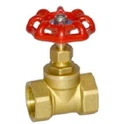
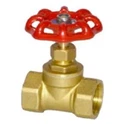
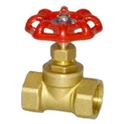
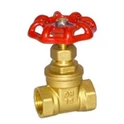
Before we discuss the compatibility of gas valves with different gases, it's essential to understand what a gas valve is and how it functions. A gas valve is a device that controls the flow of gas in a system. It can be used to start, stop, or regulate the amount of gas flowing through a pipeline. Gas valves come in various types, including Handle Gas Valve, Trident Gas Valve, and Double-Fork Gas Valve, each designed for specific applications and operating conditions.


The primary function of a gas valve is to ensure the safe and efficient operation of a gas system. It achieves this by maintaining a proper balance between the pressure and flow rate of the gas. When the valve is opened, gas flows through the pipeline, and when it's closed, the flow is stopped. The valve also helps to prevent gas leaks, which can be extremely dangerous, leading to fires, explosions, or health hazards.
Different Types of Gases
There are several types of gases commonly used in industrial and domestic applications, each with its unique properties. Some of the most common gases include natural gas, propane, butane, and hydrogen.
- Natural Gas: This is a fossil fuel composed mainly of methane. It's widely used for heating, cooking, and generating electricity. Natural gas is relatively clean-burning and has a lower carbon footprint compared to other fossil fuels.
- Propane: Propane is a byproduct of natural gas processing and petroleum refining. It's commonly used as a fuel for heating, cooking, and transportation. Propane is stored in liquid form under pressure and vaporizes when released.
- Butane: Butane is another hydrocarbon gas that's similar to propane. It's often used in portable stoves, lighters, and as a fuel for some vehicles. Butane has a higher boiling point than propane, which makes it less suitable for use in cold temperatures.
- Hydrogen: Hydrogen is a clean and renewable energy source that has the potential to replace fossil fuels in the future. It's used in fuel cells to generate electricity and can also be used as a fuel for vehicles. However, hydrogen is highly flammable and requires special handling and storage.
Compatibility of Gas Valves with Different Gases
The compatibility of a gas valve with different gases depends on several factors, including the material of the valve, the pressure and temperature ratings, and the chemical properties of the gas.
- Material Compatibility: The material of the gas valve must be resistant to corrosion and chemical reactions with the gas. For example, natural gas and propane are relatively inert and can be used with valves made of brass, stainless steel, or other common materials. However, some gases, such as hydrogen, can react with certain metals and cause embrittlement or corrosion. In such cases, special materials like nickel-based alloys or polymers may be required.
- Pressure and Temperature Ratings: Different gases have different pressure and temperature requirements. The gas valve must be rated to handle the specific pressure and temperature conditions of the gas. For example, propane is stored at a higher pressure than natural gas, so a valve designed for propane must be able to withstand the higher pressure. Similarly, if the gas is used in a high-temperature application, the valve must be able to operate safely at the elevated temperature.
- Chemical Properties: The chemical properties of the gas can also affect the performance of the valve. Some gases may contain impurities or additives that can cause fouling or damage to the valve components. For example, natural gas may contain sulfur compounds, which can corrode the valve seats and seals. In such cases, the valve may need to be equipped with special filters or coatings to prevent damage.
Potential Risks of Using Incompatible Gas Valves
Using an incompatible gas valve with a particular gas can pose several risks, including:
- Gas Leaks: If the valve is not designed to handle the specific gas, it may not seal properly, leading to gas leaks. Gas leaks can be extremely dangerous, as they can cause fires, explosions, or health hazards.
- Reduced Efficiency: An incompatible valve may not be able to regulate the flow of gas effectively, resulting in reduced efficiency and increased energy consumption. This can lead to higher operating costs and a shorter lifespan of the gas system.
- Damage to the Valve: Using a valve that's not compatible with the gas can cause damage to the valve components, such as the seats, seals, or diaphragms. This can lead to premature failure of the valve and require costly repairs or replacements.
Best Practices for Using Gas Valves with Different Gases
To ensure the safe and efficient operation of a gas system, it's important to follow these best practices when using gas valves with different gases:
- Consult the Manufacturer: Before selecting a gas valve, consult the manufacturer's specifications to ensure that it's compatible with the specific gas you're using. The manufacturer can provide detailed information about the valve's material, pressure and temperature ratings, and any special requirements.
- Perform Regular Inspections: Regularly inspect the gas valve and the entire gas system for signs of wear, damage, or leaks. Check the valve for proper operation, including the opening and closing mechanism, and ensure that the seals and gaskets are in good condition.
- Use Proper Installation and Maintenance Procedures: Follow the manufacturer's instructions for installing and maintaining the gas valve. This includes using the correct tools, torquing the connections properly, and performing regular maintenance tasks such as lubrication and cleaning.
- Train Operators: Ensure that all operators of the gas system are properly trained on the safe use and handling of the gas valve. This includes understanding the valve's operation, the potential risks associated with the gas, and the proper procedures for responding to emergencies.
Conclusion
In conclusion, the compatibility of a gas valve with different gases is a critical factor in ensuring the safe and efficient operation of a gas system. While some valves may be suitable for multiple gases, it's essential to consider the material compatibility, pressure and temperature ratings, and chemical properties of the gas. Using an incompatible valve can lead to serious risks, including gas leaks, reduced efficiency, and damage to the valve.
As a gas valve supplier, I recommend that you always consult the manufacturer's specifications and follow the best practices for using gas valves with different gases. By doing so, you can ensure the safety of your personnel, protect your equipment, and minimize the risk of costly downtime.
If you have any questions or need assistance in selecting the right gas valve for your application, please don't hesitate to contact us. We're here to help you find the best solution for your gas system needs.
References
- "Gas Valve Handbook" - A comprehensive guide to gas valve technology and applications.
- "Safety Standards for Gas Systems" - Published by relevant industry organizations, providing guidelines for the safe use of gas valves and other components.
- "Chemical Properties of Gases" - Scientific literature on the properties of different gases and their interactions with materials.