Hey there! As a manifold supplier, I've spent a ton of time diving deep into the world of manifolds. Today, I wanna chat about the connections on a manifold and why they're super important.
First off, let's get a basic understanding of what a manifold is. A manifold is like a central hub that distributes or collects fluid, gas, or other substances. It's got multiple ports that allow for different connections, and these connections are what make a manifold so versatile.
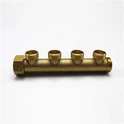
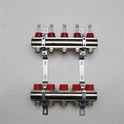
One of the most common types of connections on a manifold is the threaded connection. Threaded connections are super easy to install and remove, which makes them a popular choice for many applications. You can find threaded connections in all sorts of materials, like brass, stainless steel, and even plastic. For example, our Stainless Steel Water Manifold often uses threaded connections to ensure a tight seal and prevent leaks. The threads on the manifold and the connecting pipes are designed to fit together snugly, creating a secure connection that can withstand a certain amount of pressure.
Another important type of connection is the flange connection. Flange connections are typically used in applications where there's a need for a high-pressure or high-temperature connection. They consist of a flange on the manifold and a corresponding flange on the pipe or equipment being connected. The two flanges are bolted together, creating a strong and reliable connection. Flange connections are great because they can be easily disassembled for maintenance or repairs. For instance, in industrial settings where large volumes of fluid or gas are being transferred, flange connections are often the go-to choice.


Then there's the compression connection. Compression connections work by using a compression nut and a ferrule to create a seal between the manifold and the pipe. The compression nut is tightened onto the pipe, which squeezes the ferrule against the pipe and the manifold, creating a leak-proof seal. Compression connections are commonly used in plumbing and HVAC systems. They're relatively easy to install and can be adjusted if needed. Our 304 Stainless Steel Manifold can also utilize compression connections for its flexibility and ease of use.
Now, let's talk about the importance of proper connections on a manifold. A good connection ensures that the manifold functions as intended. If the connections are loose or not properly sealed, it can lead to leaks, which can be a big problem. Leaks not only waste resources but can also cause damage to the surrounding equipment and environment. For example, in a water supply system, a leaky manifold connection can result in water damage to floors, walls, and other structures. In a chemical processing plant, a leak can be even more dangerous, potentially exposing workers to harmful chemicals.
Proper connections also affect the performance of the manifold. A well-sealed connection allows for a smooth flow of fluid or gas through the manifold. If there are restrictions or leaks in the connections, it can disrupt the flow and reduce the efficiency of the system. This can lead to increased energy consumption and decreased productivity.
In some cases, the type of connection you choose can also depend on the specific application. For example, in a medical gas delivery system, you need connections that are extremely reliable and leak-free. Our Switch Valve Manifold could be a great option for such applications, as it can provide precise control and secure connections. The connections in a medical setting need to meet strict safety standards to ensure the well-being of patients.
When it comes to installing connections on a manifold, there are a few things to keep in mind. First, make sure you clean the surfaces of the manifold and the connecting pipes before making the connection. Any dirt, debris, or rust can prevent a proper seal. Second, use the right tools for the job. For threaded connections, a pipe wrench or a socket wrench might be needed. For flange connections, you'll need bolts and a torque wrench to ensure the proper tightening torque. Third, follow the manufacturer's instructions carefully. Different manifolds and connection types may have specific installation requirements.
Maintaining the connections on a manifold is also crucial. Regularly inspect the connections for any signs of wear, damage, or leaks. If you notice any issues, address them immediately. Tighten loose connections or replace damaged parts as needed. This can help extend the lifespan of the manifold and prevent costly breakdowns.
In addition to the physical connections, there are also electrical connections in some manifolds. These are often used in manifolds that are part of automated systems. Electrical connections allow for the control and monitoring of the manifold's functions. For example, in a smart building's HVAC system, electrical connections can be used to adjust the flow of air through the manifold based on the temperature and humidity levels in different areas of the building.
As a manifold supplier, we understand the importance of providing high-quality connections with our manifolds. We offer a wide range of manifolds with different types of connections to meet the diverse needs of our customers. Whether you're in the plumbing, industrial, or medical field, we've got the right manifold for you.
If you're in the market for a manifold or need to replace the connections on your existing manifold, don't hesitate to reach out. We're here to help you find the best solution for your specific application. Our team of experts can provide you with detailed information about the different types of connections and help you choose the right manifold for your needs.
In conclusion, the connections on a manifold are the key to its proper functioning. Whether it's threaded, flange, compression, or electrical connections, each type has its own advantages and is suitable for different applications. By choosing the right connections and maintaining them properly, you can ensure the efficiency, reliability, and safety of your manifold system. So, if you have any questions or need to make a purchase, feel free to get in touch with us. We're looking forward to working with you!
References
- Fluid Power Handbook
- Plumbing and HVAC Installation Guide