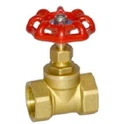
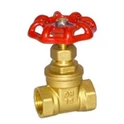
Hey there! As a supplier of brass globe valves, I know how important it is to keep these valves in top - notch condition. A well - cleaned brass globe valve not only functions better but also lasts longer. In this blog, I'll walk you through the step - by - step process of cleaning a brass globe valve.
Why Clean Your Brass Globe Valve?
Before we jump into the cleaning process, let's talk about why it's so crucial to clean your brass globe valve. Over time, dirt, debris, and mineral deposits can build up inside the valve. This build - up can cause the valve to stick, leak, or not function properly. Cleaning your valve regularly can prevent these issues and ensure that your valve operates smoothly.
Tools and Materials You'll Need
To clean your brass globe valve, you'll need a few basic tools and materials:
- A bucket of warm, soapy water. You can use a mild dish soap for this.
- A soft - bristled brush, like an old toothbrush.
- A clean, dry cloth.
- A brass cleaner (optional but recommended). You can find this at most hardware stores.
Step 1: Shut Off the Water Supply
The first and most important step is to shut off the water supply to the valve. This is a safety measure to prevent any water from spraying out when you start working on the valve. Locate the main water shut - off valve for the area where the brass globe valve is installed and turn it off.
Step 2: Remove the Valve
Once the water is turned off, you'll need to remove the brass globe valve from the pipeline. Use a wrench to loosen the nuts on either side of the valve. Be careful not to overtighten or undertighten the wrench, as this can damage the valve or the pipeline. Once the nuts are loose, gently pull the valve out of the pipeline.
Step 3: Disassemble the Valve
Now that you have the valve out, it's time to disassemble it. Most brass globe valves have a bonnet that can be removed using a wrench. Once the bonnet is off, you can carefully take out the stem, disc, and other internal parts. Keep all the parts in a safe place so you don't lose them.
Step 4: Soak the Parts
Fill your bucket with warm, soapy water and soak all the disassembled parts in it. Let them soak for about 15 - 20 minutes. This will help loosen any dirt, debris, or mineral deposits on the parts.
Step 5: Scrub the Parts
After soaking, use your soft - bristled brush to scrub the parts gently. Pay special attention to any areas with stubborn dirt or deposits. You can use the brass cleaner at this point if you have it. Just apply it to the brush and scrub the parts according to the cleaner's instructions.
Step 6: Rinse the Parts
Once you've scrubbed all the parts, rinse them thoroughly under running water. Make sure to remove all the soap and any remaining dirt or debris.
Step 7: Dry the Parts
Use your clean, dry cloth to dry all the parts. Make sure they are completely dry before reassembling the valve. Any moisture left on the parts can cause corrosion over time.
Step 8: Reassemble the Valve
Now that all the parts are clean and dry, it's time to put the valve back together. Start by inserting the stem, disc, and other internal parts back into the valve body. Then, replace the bonnet and tighten it using the wrench. Make sure it's tightened securely but not too tight.
Step 9: Reinstall the Valve
Once the valve is reassembled, it's time to reinstall it in the pipeline. Line up the valve with the pipeline and tighten the nuts on either side using the wrench. Again, be careful not to overtighten or undertighten.
Step 10: Turn On the Water Supply
Finally, turn on the water supply and check for any leaks. If you notice any leaks, tighten the nuts a little more. If the problem persists, you may need to double - check the assembly or replace any damaged parts.
Different Types of Brass Globe Valves
As a supplier, I offer a variety of brass globe valves, each with its own unique features. For example, the PPR Brass Globe Valve is great for PPR pipelines. It's designed to be compatible with PPR materials and provides a reliable shut - off solution.
The United Brass Globe Valve is another popular option. It's known for its durability and high - quality construction. This valve can withstand high pressures and is suitable for a wide range of applications.


If you need a valve for systems with a specific pressure rating, the 200 WOG Globe Valve is a great choice. It's designed to handle up to 200 pounds per square inch of water, oil, or gas pressure.
Conclusion
Cleaning a brass globe valve isn't as complicated as it might seem. By following these steps, you can keep your valve in great condition and ensure it functions properly for years to come. Whether you're using a standard brass globe valve or one of the specialized types I mentioned, regular cleaning is key.
If you're in the market for a new brass globe valve or need more information about our products, don't hesitate to reach out. We're here to help you find the right valve for your needs and provide any support you might require.
References
- "Plumbing for Dummies" by Richard Trethewey and Roy Barnhart
- Hardware store guides on brass valve maintenance