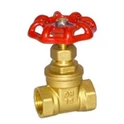
Brass manifolds are versatile components used in a wide range of industries, from plumbing and HVAC systems to industrial manufacturing and automotive applications. Their durability, corrosion resistance, and excellent thermal conductivity make them a popular choice for distributing fluids or gases efficiently. As a trusted brass manifolds supplier, we understand the importance of using these products correctly to ensure optimal performance and longevity. In this blog post, we'll explore the best practices for using brass manifolds, covering everything from installation and maintenance to safety considerations.
Selecting the Right Brass Manifold
The first step in using brass manifolds effectively is to select the right type for your specific application. There are several factors to consider when making this decision:
- Application Requirements: Determine the type of fluid or gas that will be flowing through the manifold, as well as the required flow rate, pressure, and temperature. For example, if you're working with a high-pressure hydraulic system, you'll need a manifold that can withstand the extreme forces. On the other hand, if you're dealing with a low-pressure water distribution system, a less robust manifold may suffice.
- Number of Ports: Consider the number of ports you need to connect to the manifold. Brass manifolds come in various configurations, including single, double, triple, and multi-port designs. Choose a manifold with enough ports to accommodate all your connections without overcrowding.
- Size and Dimensions: Ensure that the manifold's size and dimensions are compatible with your existing system. Measure the available space and consider the pipe sizes and fittings you'll be using. A properly sized manifold will fit seamlessly into your setup and minimize the risk of leaks or other issues.
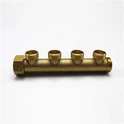
Some common types of brass manifolds include the Temperature Control Manifold, which is designed to regulate the temperature of fluids in a system, and the Flowmeter Manifold, which is used to measure and control the flow rate of liquids or gases. The Four Way Brass Manifold is another popular option, offering four ports for multiple connections.
Proper Installation
Once you've selected the right brass manifold for your application, it's crucial to install it correctly. Improper installation can lead to leaks, reduced performance, and even safety hazards. Here are some best practices to follow during the installation process:
- Prepare the Surface: Before installing the manifold, clean the surface where it will be mounted. Remove any dirt, debris, or rust to ensure a secure and leak-free connection.
- Use the Right Tools: Use the appropriate tools for the job, such as wrenches, pliers, and sealants. Make sure the tools are in good condition and the correct size for the fittings.
- Follow the Manufacturer's Instructions: Always refer to the manufacturer's installation instructions for specific guidelines and recommendations. These instructions will provide detailed information on how to install the manifold correctly, including torque specifications and assembly procedures.
- Seal the Connections: Use high-quality sealants or gaskets to seal the connections between the manifold and the pipes or fittings. This will help prevent leaks and ensure a tight seal.
- Check for Leaks: After installation, carefully inspect the manifold and all connections for leaks. You can use a pressure test or a leak detection solution to identify any potential issues. If you find a leak, tighten the connections or replace the sealant as needed.
Regular Maintenance
To ensure the long-term performance and reliability of your brass manifold, it's essential to perform regular maintenance. Here are some maintenance tasks you should include in your routine:
- Inspect for Damage: Regularly inspect the manifold for any signs of damage, such as cracks, corrosion, or leaks. If you notice any issues, address them immediately to prevent further damage or system failure.
- Clean the Manifold: Over time, dirt, debris, and contaminants can accumulate inside the manifold, affecting its performance. Clean the manifold periodically using a mild detergent and water. Avoid using abrasive cleaners or tools that could scratch the surface.
- Lubricate Moving Parts: If your manifold has any moving parts, such as valves or regulators, lubricate them regularly to ensure smooth operation. Use a lubricant recommended by the manufacturer.
- Test the System: Periodically test the system to ensure that the manifold is functioning properly. Check the flow rate, pressure, and temperature to make sure they are within the specified range.
Safety Considerations
When using brass manifolds, it's important to follow all safety guidelines and regulations to prevent accidents and injuries. Here are some safety considerations to keep in mind:
- Wear Protective Gear: When working with brass manifolds, wear appropriate protective gear, such as gloves, safety glasses, and a face shield. This will help protect you from potential hazards, such as sharp edges, hot fluids, or chemicals.
- Follow Pressure and Temperature Limits: Do not exceed the maximum pressure and temperature limits specified by the manufacturer. Operating the manifold beyond these limits can cause damage to the manifold and pose a safety risk.
- Isolate the System: Before performing any maintenance or repairs on the manifold, isolate the system to prevent the flow of fluids or gases. This will help prevent leaks and ensure your safety.
- Properly Dispose of Waste: If you need to dispose of any waste materials, such as old gaskets or sealants, follow the proper disposal procedures. Do not dispose of these materials in the regular trash, as they may contain hazardous substances.
Conclusion
By following these best practices for using brass manifolds, you can ensure optimal performance, reliability, and safety in your system. Remember to select the right manifold for your application, install it correctly, perform regular maintenance, and follow all safety guidelines. If you have any questions or need further assistance, our team of experts is here to help. We're committed to providing high-quality brass manifolds and exceptional customer service. Contact us today to discuss your specific needs and explore our wide range of products. We look forward to working with you to find the perfect solution for your application.


References
- Manufacturer's installation and maintenance guides for brass manifolds.
- Industry standards and regulations related to the use of brass manifolds in various applications.