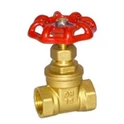
Selecting the right brass ball valve for a solar water heating system is a crucial decision that can significantly impact the system's performance, efficiency, and longevity. As a trusted brass ball valve supplier, I understand the importance of this choice and am here to guide you through the process.
Understanding the Basics of Solar Water Heating Systems
Before delving into the selection of a brass ball valve, it's essential to understand the fundamentals of a solar water heating system. These systems harness solar energy to heat water, which is then stored in a tank for later use. The system typically consists of solar collectors, a storage tank, a circulation pump, and various valves to control the flow of water.
The role of the brass ball valve in a solar water heating system is to regulate the flow of water between different components. It can be used to isolate sections of the system for maintenance, control the flow rate, and prevent backflow. A well - selected brass ball valve ensures that the system operates smoothly and efficiently.
Factors to Consider When Selecting a Brass Ball Valve
1. Pressure Rating
The pressure rating of a brass ball valve is one of the most critical factors to consider. Solar water heating systems can generate significant pressure, especially during peak sunlight hours. The valve must be able to withstand the maximum pressure that the system can produce without leaking or failing.
For most residential solar water heating systems, a valve with a pressure rating of at least 150 psi (pounds per square inch) is recommended. However, for larger commercial systems, a higher pressure rating may be required. As a supplier, I offer a range of brass ball valves with different pressure ratings to meet the diverse needs of our customers.
2. Temperature Resistance
Solar water heating systems can reach high temperatures, especially in direct sunlight. The brass ball valve must be able to withstand these elevated temperatures without deforming or losing its sealing properties.
Brass is a good choice for solar applications because it has excellent heat resistance. Most brass ball valves can handle temperatures up to 200°F (93°C) or higher. When selecting a valve, make sure to check its temperature rating to ensure it is suitable for your system.
3. Flow Capacity
The flow capacity of a brass ball valve is another important consideration. It is measured in gallons per minute (GPM) and determines how much water can pass through the valve at a given time.
The flow capacity of the valve should match the requirements of your solar water heating system. If the valve has a too - low flow capacity, it can restrict the flow of water and reduce the system's efficiency. On the other hand, a valve with a too - high flow capacity may be more expensive and unnecessary.
As a supplier, I can help you calculate the required flow capacity based on the size and design of your solar water heating system.


4. Material Quality
The quality of the brass used in the ball valve is crucial for its performance and durability. High - quality brass is resistant to corrosion, which is especially important in a solar water heating system where the water may contain minerals and chemicals.
Look for valves made from lead - free brass, as lead can leach into the water and pose a health risk. Additionally, valves with a smooth internal surface are less likely to cause turbulence and reduce the flow rate.
5. Valve Type
There are several types of brass ball valves available, each with its own advantages and disadvantages.
- Full - Port Ball Valves: These valves have a large opening that allows for maximum flow. They are ideal for applications where a high flow rate is required.
- Standard - Port Ball Valves: These valves have a smaller opening compared to full - port valves, which can result in a slightly reduced flow rate. However, they are often more compact and less expensive.
As a supplier, I offer a variety of valve types to suit different customer needs. For example, the Butterfly Handle Ball Valve 1" is a popular choice for many solar water heating systems due to its ease of use and good flow characteristics.
Specific Valve Options for Solar Water Heating Systems
1. Forged Brass Ball Valves
Forged Brass Ball Valves are known for their strength and durability. The forging process creates a denser and more uniform material, which makes the valve more resistant to pressure and wear.
These valves are suitable for high - pressure solar water heating systems, especially in commercial applications. They are also less likely to develop leaks over time, which can help to reduce maintenance costs.
2. PPR Nickel Plated Ball Valves
PPR Nickel Plated Ball Valves offer several advantages for solar water heating systems. The PPR (polypropylene random) material provides excellent chemical resistance, while the nickel plating enhances the valve's corrosion resistance.
These valves are lightweight and easy to install, making them a popular choice for residential solar water heating systems. They also have a smooth surface, which reduces friction and improves the flow of water.
Installation and Maintenance
Proper installation and maintenance of the brass ball valve are essential for its long - term performance. When installing the valve, make sure to follow the manufacturer's instructions carefully. Use appropriate sealing materials to prevent leaks and ensure a tight connection.
Regular maintenance of the valve is also important. Inspect the valve periodically for signs of wear, corrosion, or leakage. Clean the valve if necessary and replace any worn or damaged parts.
Conclusion
Selecting the right brass ball valve for a solar water heating system requires careful consideration of several factors, including pressure rating, temperature resistance, flow capacity, material quality, and valve type. As a trusted brass ball valve supplier, I can provide you with high - quality valves that meet your specific requirements.
If you are in the process of setting up or upgrading a solar water heating system, I encourage you to contact me for more information and to discuss your options. I am committed to helping you make the best choice for your system and ensuring its optimal performance.
References
- ASHRAE Handbook: HVAC Systems and Equipment. American Society of Heating, Refrigerating and Air - Conditioning Engineers.
- Solar Energy International. Solar Water Heating Design and Installation Handbook.