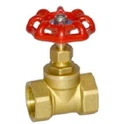
Hey there, fellow home heating enthusiasts! As a supplier of TRV valves, I get asked a ton of questions about how these valves work and what they can and can't do. One question that pops up quite often is, "Can a TRV valve be used in a radiator with a built - in thermostat?" Well, let's dive right into this topic and find out!
First off, let's quickly go over what a TRV valve is. A Thermostatic Radiator Valve (TRV) is a nifty little device that helps control the temperature in a room by regulating the flow of hot water into the radiator. It does this by using a thermostat inside the valve head. When the room reaches the temperature you've set on the valve, it closes off the flow of water, and when the room cools down, it opens up again.
On the other hand, a radiator with a built - in thermostat also has a temperature - controlling function. These radiators are designed to adjust the heat output based on the ambient temperature in the room. So, at first glance, it might seem like using a TRV valve on a radiator with a built - in thermostat is a bit redundant. But is it really?
Compatibility Considerations
Let's talk about compatibility. In most cases, a TRV valve can physically be installed on a radiator with a built - in thermostat. The mechanical connection between the valve and the radiator is usually standard, so you can attach the TRV valve just like you would on any other radiator. However, the big question is whether they'll work together harmoniously.


One of the main issues is that having two thermostats (the one in the TRV valve and the built - in thermostat in the radiator) trying to control the same thing can lead to conflicts. For example, if the TRV valve senses that the room is warm enough and shuts off the water flow, but the built - in thermostat in the radiator still thinks it needs to heat up, it can cause a bit of a battle between the two systems. This can result in uneven heating, short cycling of the radiator (where it keeps turning on and off rapidly), and even increased energy consumption.
Advantages of Using a TRV Valve on a Built - In Thermostat Radiator
Surprisingly, there are some advantages to using a TRV valve on a radiator with a built - in thermostat. One of the biggest benefits is increased flexibility. The built - in thermostat on a radiator is often set at the factory or is difficult to adjust precisely. With a TRV valve, you can easily set the temperature to your exact preference. This is great if you like a different temperature in each room of your house.
Another advantage is that a TRV valve can provide an extra layer of control in case the built - in thermostat malfunctions. Let's face it, even the best - designed products can have issues sometimes. Having a TRV valve as a backup means that you can still regulate the heat in the room until the built - in thermostat is fixed or replaced.
Disadvantages of Using a TRV Valve on a Built - In Thermostat Radiator
As we mentioned earlier, the potential for conflicts between the two thermostats is a major disadvantage. When the two systems aren't working in sync, it can lead to inefficient heating. This inefficiency can translate into higher energy bills, which nobody wants.
There's also the issue of cost. Buying and installing a TRV valve adds an extra expense. If the built - in thermostat on the radiator is working well, you might not really need the additional valve.
Making the Decision
So, how do you decide whether to use a TRV valve on a radiator with a built - in thermostat? It really comes down to your specific needs and circumstances. If you're someone who likes to have precise control over the temperature in each room and is willing to take the risk of potential conflicts, then a TRV valve could be a good option for you.
On the other hand, if your built - in thermostat is working perfectly fine and you're not too concerned about fine - tuning the temperature, then you might want to skip the TRV valve.
If you do decide to go ahead and install a TRV valve, make sure to choose a high - quality one. At [Don't use company name], we offer a wide range of TRV valves that are designed to be reliable and efficient.
Other Types of Valves for Your Radiator Needs
If you're still not sure about using a TRV valve on a radiator with a built - in thermostat, there are other types of valves you can consider. For example, a Manual Radiator Valve gives you manual control over the flow of water into the radiator. You can open or close the valve to adjust the heat output as needed. This can be a good option if you want a simple and straightforward way to control your radiator.
Another option is the Duplex Valve. A duplex valve combines the functions of a shut - off valve and a balancing valve. It allows you to isolate the radiator for maintenance and also helps to balance the flow of water in your heating system.
Conclusion
In conclusion, while a TRV valve can technically be used in a radiator with a built - in thermostat, it's not always the best idea. There are both advantages and disadvantages to consider. If you're still unsure, I'd recommend consulting a heating professional. They can take a look at your specific heating system and give you personalized advice.
If you're in the market for a TRV valve or any other type of heating valve, don't hesitate to reach out. We're here to help you make the best choice for your home heating needs. Whether you need more information, want to discuss your options, or are ready to place an order, we're just a message away. Let's work together to keep your home warm and comfortable all year round!
References
- "Heating System Design Handbook" by XYZ Publishing
- Various industry reports on radiator valve technology