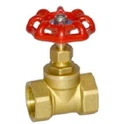
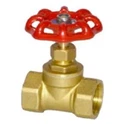
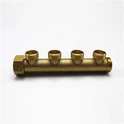
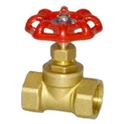
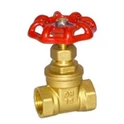
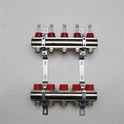
Hey there! I'm a supplier of Duplex Valve, and I know how annoying it can be when these valves start making a racket. In this blog, I'm gonna share some tips on how to reduce the noise of a duplex valve.
Understanding the Causes of Duplex Valve Noise
First off, we need to figure out why the duplex valve is making noise. There are several common reasons for this.
One major cause is cavitation. Cavitation happens when the fluid flowing through the valve experiences a sudden drop in pressure, causing vapor bubbles to form. When these bubbles collapse, they create a shockwave that results in noise. This usually occurs when the valve is partially open and the flow rate is high.
Another reason could be water hammer. Water hammer is a pressure surge or wave caused when a fluid, usually water, in motion is forced to stop or change direction suddenly. For example, when the duplex valve closes quickly, it can cause a water hammer effect, leading to a loud banging noise.
Vibration is also a culprit. If the valve is not properly installed or supported, it can vibrate, especially when there's fluid flowing through it. This vibration can transfer to the surrounding pipes and structures, creating an annoying rattling sound.
Tips to Reduce Duplex Valve Noise
1. Proper Valve Sizing
One of the most important steps in reducing valve noise is to make sure the duplex valve is the right size for the application. If the valve is too large, it may not be able to control the flow properly, leading to cavitation and noise. On the other hand, if it's too small, it can cause high - velocity flow and increased pressure drop, also resulting in noise.
When selecting a duplex valve, consider the flow rate, pressure, and temperature of the fluid. You can use flow calculation formulas or consult with an engineer to determine the correct valve size.
2. Adjust the Valve Opening
The way you operate the duplex valve can have a big impact on noise levels. Try to avoid operating the valve at a partially open position for extended periods. Partially open valves are more likely to cause cavitation. Instead, fully open or fully close the valve whenever possible.
If you need to control the flow, consider using a Manual Radiator Valve in combination with the duplex valve. The manual radiator valve can be used to fine - tune the flow, while the duplex valve can be used for on - off control.
3. Install a Pressure Reducing Valve
A pressure reducing valve can help reduce the pressure of the fluid before it enters the duplex valve. By reducing the pressure, you can minimize the risk of cavitation and water hammer. Install the pressure reducing valve upstream of the duplex valve and set it to the appropriate pressure level.
4. Use Anti - Vibration Mounts
To reduce vibration - related noise, install anti - vibration mounts on the duplex valve and the surrounding pipes. These mounts can absorb the vibration energy and prevent it from transferring to the structures. There are different types of anti - vibration mounts available, such as rubber mounts and spring mounts. Choose the one that is suitable for your application.
5. Check and Maintain the Valve Regularly
Regular maintenance is crucial for keeping the duplex valve in good condition and reducing noise. Check the valve for any signs of wear or damage, such as worn seats or seals. Replace any damaged parts promptly.
Also, clean the valve regularly to remove any debris or sediment that may be causing blockages or irregular flow. A clean valve will operate more smoothly and quietly.
Case Studies
Let me share a couple of case studies to illustrate how these tips can work in real - life situations.
Case Study 1: A commercial building was experiencing a lot of noise from the duplex valves in its heating system. The valves were sized incorrectly, and they were often operated at a partially open position. After replacing the valves with the correct size and adjusting the operation to fully open or fully close, the noise was significantly reduced.
Case Study 2: In an industrial plant, the duplex valves were vibrating and causing a rattling noise. Anti - vibration mounts were installed on the valves and the pipes, and a pressure reducing valve was added upstream. This combination of measures eliminated the vibration and reduced the noise to an acceptable level.
Conclusion
Reducing the noise of a duplex valve requires a combination of proper sizing, correct operation, and regular maintenance. By following the tips I've shared in this blog, you can significantly reduce the noise and improve the performance of your duplex valve.
If you're facing noise issues with your duplex valves or are looking to purchase high - quality duplex valves, don't hesitate to reach out. We're here to help you find the best solutions for your needs. Whether you need advice on valve selection, installation, or maintenance, our team of experts is ready to assist you. Let's work together to make your system quieter and more efficient.


References
- "Valve Handbook" by Cameron - an industry - standard reference for valve technology and applications.
- "Fluid Mechanics" textbooks - provide in - depth knowledge on fluid flow, pressure, and cavitation.
- Industry case studies and reports on valve noise reduction from leading valve manufacturers and engineering firms.