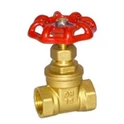
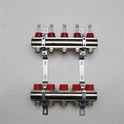
Installing brass manifolds in a corrosive environment can be a tricky task, but with the right approach, it's totally doable. I'm a supplier of brass manifolds, and I've seen firsthand the challenges and solutions when it comes to this kind of installation. So, let's dive right in and talk about how you can get the job done properly.
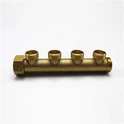
First off, let's understand why brass manifolds are a great choice even in corrosive environments. Brass is an alloy made up of copper and zinc, and it has some natural corrosion - resistant properties. It's durable, can handle a decent amount of pressure, and is relatively easy to work with. We offer a variety of brass manifolds, like the Switch Valve Manifold, Flowmeter Manifold, and Temperature Control Manifold, each designed to meet different industrial needs.
Assessing the Corrosive Environment
Before you start the installation, you need to know what you're up against. Corrosive environments can vary widely. It could be a chemical plant where there are all sorts of harsh chemicals in the air or on the surfaces, or it could be a coastal area where saltwater and humidity are the main culprits.
Take a good look at the area where you'll be installing the brass manifold. Check for any signs of existing corrosion on other equipment. Look at the type of chemicals present, their concentration, and how often they come into contact with the potential installation site. If it's a coastal area, measure the humidity levels and the salt content in the air. This information will help you decide what kind of protective measures you need to take.
Selecting the Right Brass Alloy
Not all brass alloys are created equal when it comes to corrosion resistance. There are different types of brass, such as yellow brass and red brass. Yellow brass has a higher zinc content, which can make it more susceptible to corrosion in certain environments, especially those with high levels of ammonia or sulfur. Red brass, on the other hand, has a higher copper content and is generally more resistant to corrosion.
Based on your assessment of the corrosive environment, choose the appropriate brass alloy for your manifold. If you're not sure which one to go for, don't hesitate to reach out to us. We can provide you with detailed information about the different alloys we offer and which one would be best for your specific situation.
Preparing the Installation Site
Once you've selected the right manifold and alloy, it's time to prepare the installation site. First, clean the area thoroughly. Remove any dirt, debris, or existing corrosion from the surface where the manifold will be mounted. You can use a wire brush or a mild cleaning solution, depending on the type of contaminants.
Make sure the surface is flat and level. Any unevenness can cause stress on the manifold during installation and use, which can lead to leaks or premature corrosion. If necessary, use a grinder or a file to smooth out any rough spots.
Applying Protective Coatings
One of the most effective ways to protect brass manifolds in a corrosive environment is by applying a protective coating. There are several types of coatings available, such as epoxy coatings, polyurethane coatings, and zinc - rich primers.
Epoxy coatings are great because they form a tough, chemical - resistant barrier on the surface of the brass. They can withstand a wide range of chemicals and provide long - term protection. Polyurethane coatings are also durable and offer good resistance to abrasion and UV light, which is important if the manifold will be exposed to sunlight. Zinc - rich primers work by sacrificing themselves to protect the brass. The zinc corrodes first, which helps to prevent the brass from corroding.
Before applying the coating, make sure the brass surface is clean and dry. Follow the manufacturer's instructions carefully for mixing and applying the coating. Apply multiple thin coats for better coverage and durability.
Installation Process
Now that the site is prepared and the manifold is coated, it's time to install the brass manifold. Start by positioning the manifold in the correct location. Use a level to ensure it's perfectly horizontal or vertical, depending on the design requirements.
Mark the holes for the mounting bolts or screws. Drill the holes using the appropriate drill bit size. Make sure the holes are deep enough and straight. Insert the mounting bolts or screws through the holes in the manifold and into the mounting surface. Tighten them evenly to avoid over - tightening one side, which can cause the manifold to warp.


Next, connect the pipes or hoses to the manifold. Use the appropriate fittings and gaskets to ensure a tight seal. Make sure the connections are secure and leak - free. You can use a thread - sealing tape or a liquid thread sealant on the threaded connections to prevent leaks.
Post - Installation Checks
After the installation is complete, do a thorough check. Look for any signs of damage to the coating or the manifold itself. Check all the connections for leaks. You can use a pressure test to make sure the manifold can handle the required pressure without any issues.
If you find any leaks or damage, fix them immediately. If the coating has been damaged during the installation, touch it up with the same coating material.
Maintenance
Installing the brass manifold is just the first step. Regular maintenance is crucial to ensure its long - term performance in a corrosive environment. Inspect the manifold regularly for any signs of corrosion or damage. Check the coating for any signs of wear or peeling.
If you notice any corrosion starting to form, clean the affected area and re - apply the protective coating. Keep the area around the manifold clean and dry. If possible, reduce the exposure of the manifold to the corrosive elements.
Conclusion
Installing brass manifolds in a corrosive environment requires careful planning and attention to detail. By assessing the environment, selecting the right alloy, preparing the site, applying protective coatings, and performing proper installation and maintenance, you can ensure that your brass manifold will last for a long time.
If you're in the market for high - quality brass manifolds or need more advice on installation in corrosive environments, we're here to help. Whether you need a Switch Valve Manifold, Flowmeter Manifold, or Temperature Control Manifold, we've got you covered. Contact us today to discuss your specific requirements and start the procurement process.
References
- Corrosion Handbook, ASM International
- Brass Alloys: Properties and Applications, Copper Development Association