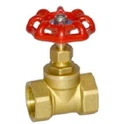
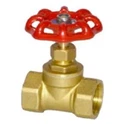
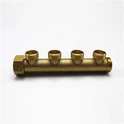
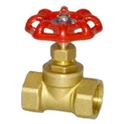
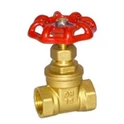
Installing ball union valves in a confined space can be a challenging task, but with the right approach and tools, it can be accomplished efficiently and safely. As a supplier of high-quality ball union valves, including the PPR Spherical Valve, Fire Reel Ball Valve, and Multi-Function Filter Ball Valve, we understand the intricacies involved in such installations. In this blog, we'll guide you through the process to ensure a successful valve installation in tight quarters.
Pre-Installation Planning
Before you start the installation process, a thorough pre - installation plan is crucial.
Assess the Confined Space
First, measure the confined space accurately. Take note of the available length, width, and height. Check for any obstacles such as pipes, beams, or other equipment that might hinder the installation. For instance, if there are existing pipes running close to the installation area, they might obstruct the movement of the valve during installation.
Select the Right Valve
Choose a ball union valve that suits the specific requirements of your confined - space application. Consider factors like pressure rating, flow capacity, and material compatibility. Our range of ball union valves, such as the PPR Spherical Valve, is designed to meet various needs. If your system deals with high - pressure fluids, select a valve with an appropriate pressure rating. Ensure that the valve size fits the available space and the piping system.
Gather the Necessary Tools
Collect all the tools required for the installation. This typically includes wrenches (adjustable and pipe wrenches), thread sealant, a pipe cutter, and a tape measure. The tools should be of high quality to ensure a proper and secure installation. For confined spaces, having compact and adjustable tools can be a great advantage.
Preparation of the Piping System
Once the pre - installation planning is complete, it's time to prepare the piping system for valve installation.
Shut Off the Supply
Before making any cuts or connections, shut off the fluid supply to the piping system. This is a safety measure to prevent leaks and accidents. If the system is part of a larger network, isolate the section where the valve will be installed.
Cut the Pipes
Use a pipe cutter to cut the pipes at the appropriate locations where the valve will be installed. Make sure the cuts are clean and straight. In a confined space, it might be challenging to use a full - size pipe cutter. Consider using a mini - pipe cutter or a hacksaw, if necessary. After cutting, deburr the edges of the pipes to ensure a smooth connection.
Clean the Pipe Ends
Clean the pipe ends thoroughly to remove any dirt, debris, or rust. This will ensure a proper seal when the valve is connected. You can use a wire brush or a pipe cleaning solution. A clean surface is essential for the effectiveness of the thread sealant.
Installation of the Ball Union Valve
Now that the piping system is prepared, it's time to install the ball union valve.
Apply Thread Sealant
Apply an appropriate thread sealant to the male threads of the valve and the pipe ends. The thread sealant helps to prevent leaks and provides a tight connection. Make sure to apply the sealant evenly along the threads. In a confined space, you might need to use a small brush or a syringe to apply the sealant accurately.
Connect the Valve
Carefully insert the valve into the pipe ends and hand - tighten the connections. Use a wrench to further tighten the connections, but be careful not to over - tighten, as this can damage the valve or the pipes. In a confined space, use adjustable wrenches or specialty wrenches that can fit into tight spots. If the valve has union nuts, make sure to align them properly and tighten them securely.
Check the Alignment
Ensure that the valve is properly aligned with the piping system. Misaligned valves can cause stress on the pipes and lead to leaks or premature valve failure. In a confined space, it might be difficult to visually inspect the alignment. You can use a level or a straight edge to check for proper alignment.
Post - Installation Checks
After the valve is installed, several checks are necessary to ensure its proper functioning.
Leak Testing
Turn on the fluid supply gradually and check for any leaks around the valve connections. If you notice any leaks, turn off the supply immediately and tighten the connections further. If the leak persists, you might need to remove the valve, re - apply the thread sealant, and reinstall it.
Functionality Testing
Operate the valve to ensure that it opens and closes smoothly. Check for any signs of binding or resistance. If the valve does not operate properly, there might be an issue with the installation, such as misalignment or debris in the valve mechanism.
Final Inspection
Conduct a final inspection of the installed valve and the surrounding area. Make sure that all the tools and equipment are removed from the confined space. Check for any signs of damage or wear on the valve and the pipes.
Challenges in Confined - Space Installation and Solutions
Installing ball union valves in confined spaces presents several challenges.
Limited Access
The most obvious challenge is limited access to the installation area. This can make it difficult to use standard tools and perform tasks such as tightening connections. To overcome this, use compact and adjustable tools. For example, a small - sized adjustable wrench can fit into tight spaces more easily than a large, fixed - size wrench.
Visibility Issues
Poor visibility in a confined space can make it challenging to align the valve properly and check for leaks. Use a flashlight or a small inspection mirror to improve visibility. You can also use a camera on a flexible rod to get a better view of the hard - to - reach areas.
Safety Concerns
Working in a confined space poses safety risks, such as the risk of injury from sharp edges or the inhalation of harmful fumes. Always follow safety protocols, wear appropriate personal protective equipment (PPE) such as gloves and safety glasses, and ensure proper ventilation in the confined space.
Why Choose Our Ball Union Valves
Our company offers a wide range of ball union valves that are suitable for various applications, including confined - space installations. Our PPR Spherical Valve is made of high - quality PPR material, which is resistant to corrosion and has excellent chemical stability. The Fire Reel Ball Valve is designed specifically for fire protection systems, with a robust construction that can withstand high - pressure applications. The Multi - Function Filter Ball Valve combines the functions of a ball valve and a filter, providing a cost - effective solution for fluid control and filtration.
Conclusion
Installing ball union valves in a confined space requires careful planning, the right tools, and a meticulous approach. By following the steps outlined in this blog, you can ensure a successful valve installation in even the most challenging spaces. Our high - quality ball union valves are designed to meet the demands of confined - space applications and ensure reliable performance. If you are looking to purchase ball union valves for your project, we invite you to contact us for further discussion and procurement. We are committed to providing you with the best products and services to meet your needs.


References
- ASME B31.3 Process Piping Code
- NFPA 13 Standard for the Installation of Sprinkler Systems
- Manufacturer's installation guides for ball union valves