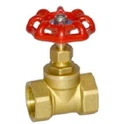
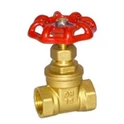
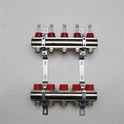
As a valve parts supplier, I understand the paramount importance of ensuring the safety of workers during the installation of valve parts. Valve parts come in various types, such as Ball Union Valves, Water Pressure Reducing Valve, and Aluminum-Plastic Tube Ball Valve. Each installation process has its own set of risks, but with proper precautions and procedures, these risks can be significantly mitigated.


Pre - installation Preparations
Training and Education
Before any installation work begins, workers should receive comprehensive training. This training should cover the specific type of valve parts they will be installing, including their functions, features, and potential hazards. For example, when installing a water pressure reducing valve, workers need to understand how it regulates water pressure and what could happen if it is installed incorrectly, such as over - pressurization leading to pipe bursts.
The training should also include safety procedures, such as how to use personal protective equipment (PPE) correctly. PPE may include safety glasses to protect the eyes from flying debris, gloves to prevent cuts and chemical exposure, and hard hats to safeguard against falling objects.
Site Assessment
A thorough site assessment is crucial. Workers should inspect the installation area for any potential hazards, such as uneven floors, exposed electrical wires, or flammable materials. The area should be clean and well - lit to ensure clear visibility during the installation process. If the installation is taking place in a confined space, proper ventilation must be ensured to prevent the build - up of harmful gases.
Equipment Inspection
All tools and equipment that will be used for the installation should be inspected beforehand. This includes wrenches, screwdrivers, and any specialized equipment for valve installation. Tools should be in good working condition, and any damaged or faulty tools should be replaced immediately. For example, a worn - out wrench may slip during use, causing injury to the worker.
Installation Process
Follow Manufacturer's Instructions
One of the most important steps in ensuring worker safety is to strictly follow the manufacturer's installation instructions. These instructions are designed to ensure the proper and safe installation of the valve parts. They provide detailed information on the correct sequence of steps, torque specifications, and any special requirements for the particular valve part.
For example, some valves may require a specific type of sealant or gasket to be used during installation. Using the wrong sealant can lead to leaks, which can be hazardous, especially if the valve is handling corrosive or flammable substances.
Secure the Workpiece
The valve parts should be securely held in place during the installation process. This can be achieved using clamps or other appropriate fixtures. A loose valve part can move unexpectedly, causing the worker to lose their grip and potentially leading to injuries.
Use of Lifting Equipment
If the valve parts are heavy, appropriate lifting equipment should be used. Workers should be trained in the proper use of lifting equipment, such as hoists or cranes. Lifting operations should be carefully planned, and the load capacity of the lifting equipment should not be exceeded. Before lifting, the valve part should be properly attached to the lifting device to prevent it from falling during the lift.
Avoiding Overexertion
Workers should be aware of their physical limitations and avoid overexertion. Lifting or moving heavy valve parts for long periods or with excessive force can lead to muscle strains, back injuries, and other physical problems. If a task requires a significant amount of physical effort, it may be necessary to use mechanical assistance or to take breaks at regular intervals.
Post - installation Checks
Leak Testing
After the valve parts are installed, a leak test should be conducted. This helps to identify any potential leaks in the system. If a leak is detected, it should be repaired immediately. Leaks can pose a safety risk, especially if they involve toxic or flammable substances.
Function Testing
The valve should be tested to ensure that it is functioning properly. This includes checking the opening and closing mechanism, as well as the regulation of flow or pressure, depending on the type of valve. If the valve does not function as expected, it may need to be adjusted or reinstalled, but only after ensuring that all safety procedures are followed.
Clean - up
Once the installation is complete and all tests are passed, the work area should be cleaned up. All tools and equipment should be put away in their proper storage locations. Any waste materials, such as packaging from the valve parts or used PPE, should be disposed of properly.
Emergency Preparedness
First - Aid Training
All workers involved in the installation process should have basic first - aid training. In case of an accident, immediate first - aid can significantly reduce the severity of injuries. First - aid kits should be readily available at the installation site, and workers should know how to use the contents of the kit.
Emergency Response Plan
An emergency response plan should be in place. This plan should outline the steps to be taken in case of an emergency, such as a fire, chemical spill, or serious injury. Workers should be familiar with the plan and know where to find emergency exits, fire extinguishers, and other safety equipment.
Communication
Effective communication is essential during the installation process. Workers should be able to communicate with each other clearly, especially when working in teams. In case of an emergency, there should be a reliable means of communication, such as a two - way radio or a mobile phone, to call for help.
Ongoing Monitoring and Maintenance
Regular Inspections
After the valve parts are installed, regular inspections should be carried out to ensure their continued safe operation. These inspections can detect any signs of wear, damage, or malfunction early on. Workers should be trained to identify common problems, such as corrosion, loose connections, or abnormal noises.
Maintenance Schedule
A maintenance schedule should be established based on the manufacturer's recommendations. Regular maintenance can prevent the development of serious problems and extend the lifespan of the valve parts. Maintenance tasks may include lubrication, tightening of bolts, and replacement of worn - out components.
Conclusion
Ensuring the safety of workers when installing valve parts is a multi - faceted process that requires careful planning, training, and adherence to safety procedures. By following the steps outlined above, from pre - installation preparations to post - installation monitoring, the risk of accidents and injuries can be greatly reduced.
As a valve parts supplier, we are committed to providing high - quality products and also to sharing knowledge on safe installation practices. If you are in need of valve parts or have any questions about their installation and safety, we invite you to contact us for further discussions and potential procurement opportunities.
References
- OSHA (Occupational Safety and Health Administration) Guidelines on General Industry Safety
- Valve Manufacturer's Installation and Maintenance Manuals
- Industry Standards for Valve Installation and Safety