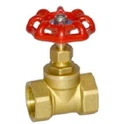
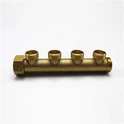
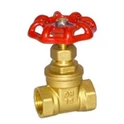
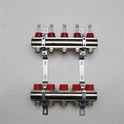
Hey there! As a supplier of brass valve bodies, I've seen my fair share of installation projects, and I know how crucial it is to get the installation right. In this blog, I'll share some key installation precautions for brass valve bodies to ensure everything goes smoothly and your valve performs well for a long time.
1. Preparation is Key
Before you even start the installation process, you need to do some groundwork. First off, make sure you've got the right valve body for the job. We offer a wide range of brass valve bodies, like the External Thread Three - way Valve Body. Check the specifications carefully to ensure it matches the pressure, temperature, and flow requirements of your system.
Inspect the valve body thoroughly for any damage or defects. Look for cracks, dents, or any signs of corrosion. If you spot any issues, don't use the valve. Reach out to us, and we'll replace it for you. Also, clean the valve body and the connection parts to remove any dirt, debris, or grease. This will help create a proper seal and prevent any blockages in the future.
2. Proper Handling
Brass valve bodies are relatively sturdy, but they still need to be handled with care. Avoid dropping or hitting the valve body against hard surfaces as this can cause internal damage that might not be visible at first glance. When carrying the valve, hold it by the body rather than the handles or the stem. This will prevent any misalignment or damage to these delicate parts.
3. Correct Installation Location
Choosing the right location for the valve body is super important. It should be installed in an area that's easily accessible for maintenance and inspection. You don't want to have to tear down half of your system just to check on the valve. Also, make sure the valve is installed in a dry and well - ventilated place. Moisture can cause the brass to corrode over time, which will shorten the lifespan of the valve.
If the valve is going to be exposed to high temperatures or harsh chemicals, consider using a Pickled Brass Valve Body. This type of valve body has a special treatment that makes it more resistant to corrosion and damage from extreme conditions.


4. Alignment and Connection
When installing the brass valve body, proper alignment is crucial. Make sure the valve is perfectly aligned with the pipes or the other components it's going to be connected to. Misalignment can cause stress on the valve body and the connections, leading to leaks or even valve failure.
Use the right tools for the connection. A wrench that's too big or too small can damage the valve or the connection threads. Tighten the connections gradually and evenly. Over - tightening can cause the threads to strip, while under - tightening can result in leaks. It's a good idea to use a thread sealant or a Brass Gasket to ensure a tight and leak - free connection.
5. Testing the Valve
Once the valve is installed, it's time to test it. Before you start the system, close the valve and check for any visible leaks around the connections. Then, slowly open the valve and let the fluid or gas flow through. Monitor the pressure and the flow rate to make sure they're within the expected range. If you notice any abnormal noises, vibrations, or leaks during the test, shut down the system immediately and check the valve and the connections again.
6. Maintenance After Installation
Even after a successful installation, regular maintenance is a must. Check the valve body and the connections periodically for any signs of wear, corrosion, or leaks. Clean the valve as needed to remove any build - up of dirt or debris. Lubricate the moving parts, like the stem and the handles, to ensure smooth operation.
If you need to replace any parts of the valve, make sure you use genuine brass parts from a reliable supplier. Using low - quality or incompatible parts can cause more problems and shorten the lifespan of the valve.
7. Safety Precautions
Safety should always be your top priority during the installation process. Wear appropriate personal protective equipment, like gloves and safety glasses. If you're working with high - pressure systems, follow all the safety guidelines and procedures. Make sure the system is depressurized before you start any installation or maintenance work.
In conclusion, installing a brass valve body requires careful attention to detail. By following these installation precautions, you can ensure that your valve works properly and lasts for a long time. If you have any questions or need more information about our brass valve bodies, feel free to reach out to us. We're always here to help you with your valve needs and make sure you get the best product for your project. Whether you're a professional installer or a DIY enthusiast, we've got the right brass valve body for you. So, don't hesitate to contact us for all your brass valve body procurement needs. Let's work together to make your project a success!
References:
- General industry knowledge on valve installation and maintenance
- Experience from years of supplying brass valve bodies