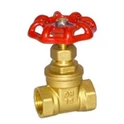
Hey there! As a supplier of PPR spherical valves, I've had my fair share of experiences dealing with all sorts of environments and challenges. One issue that often crops up is ensuring the normal operation of these valves in low - temperature environments. In this blog, I'll share some tips and tricks that I've learned over the years to keep your PPR spherical valves running smoothly, even when it's freezing outside.
First off, let's understand why low temperatures can be a problem for PPR spherical valves. PPR, or polypropylene random copolymer, is a thermoplastic material. When the temperature drops, it becomes more brittle. This increased brittleness can lead to cracks and leaks in the valve body, which can seriously affect its performance. The moving parts inside the valve, like the ball and the stem, can also be affected. Cold temperatures can cause the lubricants to thicken, making the valve harder to open and close.
Material Selection
The choice of materials is crucial when it comes to low - temperature applications. You want to make sure that the PPR material used in the valve is specifically designed for cold environments. Some PPR materials are formulated with additives that improve their low - temperature resistance. These additives can help the material remain more flexible even at low temperatures, reducing the risk of cracking.
Another important aspect is the coating of the valve. For example, a PPR Nickel Plated Ball Valve can offer better protection against corrosion, which is more likely to occur in cold and damp conditions. The nickel plating acts as a barrier between the PPR material and the external environment, preventing moisture from seeping in and causing damage.
Installation Considerations
Proper installation is key to ensuring the normal operation of PPR spherical valves in low - temperature environments. First, make sure that the valve is installed in a location where it is protected from direct exposure to cold winds and extreme temperature fluctuations. If possible, install the valve indoors or in an insulated area.


During installation, pay close attention to the torque applied when tightening the connections. Over - tightening can cause stress on the PPR material, making it more prone to cracking, especially in cold conditions. On the other hand, under - tightening can lead to leaks. It's important to follow the manufacturer's recommended torque values.
Insulation
Insulating the PPR spherical valve is one of the most effective ways to protect it from low temperatures. You can use insulation materials such as foam sleeves or fiberglass insulation. These materials help to maintain a more stable temperature around the valve, reducing the risk of the PPR material becoming too cold and brittle.
When insulating the valve, make sure to cover all parts of the valve, including the body, the handles, and the connections. Also, ensure that the insulation is properly sealed to prevent cold air from getting in.
Maintenance
Regular maintenance is essential for the long - term operation of PPR spherical valves in low - temperature environments. Check the valve regularly for any signs of damage, such as cracks, leaks, or difficulty in opening and closing. If you notice any issues, address them immediately.
Lubrication is also important. As mentioned earlier, cold temperatures can cause the lubricants inside the valve to thicken. You may need to use a special low - temperature lubricant that remains fluid at cold temperatures. Apply the lubricant to the moving parts of the valve, such as the ball and the stem, according to the manufacturer's instructions.
Valve Design
The design of the PPR spherical valve can also play a role in its performance in low - temperature environments. For example, a valve with a simple and robust design is generally more reliable. Avoid valves with complex internal structures that may be more difficult to maintain and more prone to damage in cold conditions.
Some valves, like the Iron Handle Ball Valve 1/2", are designed with features that make them more suitable for low - temperature use. The iron handle provides better grip, even when wearing gloves in cold weather, and can withstand the cold better than some plastic handles.
Monitoring
Installing a monitoring system can help you keep an eye on the performance of the PPR spherical valve in low - temperature environments. You can use sensors to monitor the temperature around the valve, the pressure inside the valve, and the position of the valve (open or closed). This data can help you detect any potential problems early and take preventive measures.
Storage
If you need to store PPR spherical valves for a long time in low - temperature environments, make sure to store them properly. Keep the valves in a dry and insulated area. Avoid storing them in direct contact with cold surfaces, as this can cause the PPR material to cool down too quickly and become brittle.
Training
Finally, make sure that the people who are responsible for installing, operating, and maintaining the PPR spherical valves are properly trained. They should understand the unique challenges of low - temperature environments and know how to take the necessary precautions. Training can also help them identify and troubleshoot problems more effectively.
In conclusion, ensuring the normal operation of a PPR spherical valve in a low - temperature environment requires a combination of proper material selection, installation, insulation, maintenance, and monitoring. By following these tips, you can extend the lifespan of your valves and avoid costly repairs and replacements.
If you're in the market for high - quality PPR spherical valves that are suitable for low - temperature applications, we're here to help. We offer a wide range of valves, including Ball Union Valves, that are designed to meet the needs of various industries. Contact us to discuss your requirements and start a procurement negotiation. We're confident that we can provide you with the best solutions for your valve needs.
References
- "Plastic Piping Systems in Building Services" by various authors
- Manufacturer's guidelines for PPR spherical valves
- Industry standards for valve installation and maintenance in low - temperature environments