When embarking on a project that involves plumbing or fluid distribution systems, one crucial component that often requires careful consideration is the Manifold Tail Piece. As a seasoned supplier of high - quality Manifold Tail Pieces, I understand the challenges and questions that customers face when making this selection. In this blog post, I'll guide you through the key factors to consider when choosing the right Manifold Tail Piece for your project.
Understanding Manifold Tail Pieces
Before delving into the selection process, it's essential to have a clear understanding of what a Manifold Tail Piece is. A Manifold Tail Piece is a critical part of a manifold system. It serves as the connection point between the manifold and the various pipes or hoses in the system. This component is responsible for directing the flow of fluids, such as water, gas, or other liquids, from the manifold to the desired outlets.
Project Requirements Analysis
The first step in choosing the right Manifold Tail Piece is to analyze your project requirements thoroughly. Consider the following aspects:
Fluid Type
The type of fluid that will flow through the Manifold Tail Piece is a fundamental factor. Different fluids have different properties, such as corrosiveness, viscosity, and temperature. For example, if you're dealing with a corrosive fluid like saltwater or certain chemicals, you'll need a Manifold Tail Piece made from a corrosion - resistant material, such as brass or stainless steel. On the other hand, if it's a non - corrosive fluid like water for a domestic plumbing system, a brass Manifold Tail Piece might be a suitable and cost - effective option.
Flow Rate
The flow rate of the fluid is another crucial consideration. You need to determine how much fluid needs to pass through the Manifold Tail Piece per unit of time. A higher flow rate may require a larger diameter Manifold Tail Piece to ensure smooth and efficient flow. If the diameter is too small, it can cause restrictions, leading to pressure drops and reduced system performance. You can calculate the required flow rate based on the needs of your project, such as the number of outlets and the volume of fluid each outlet requires.
Pressure Rating
The pressure rating of the Manifold Tail Piece must match the pressure of the fluid in the system. If the pressure rating is too low, the Manifold Tail Piece may fail under pressure, resulting in leaks or even system breakdowns. Conversely, choosing a Manifold Tail Piece with an excessively high pressure rating can be unnecessary and more expensive. Check the pressure requirements of your project and select a Manifold Tail Piece with an appropriate pressure rating. This information is usually provided by the manufacturer on the product specifications.
Material Selection
The material of the Manifold Tail Piece plays a significant role in its performance and durability. Here are some common materials used for Manifold Tail Pieces:
Brass
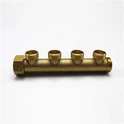
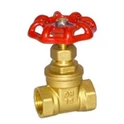
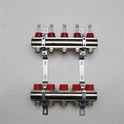
Brass is a popular choice for Manifold Tail Pieces due to its excellent corrosion resistance, malleability, and relatively low cost. It can withstand a wide range of temperatures and pressures, making it suitable for many applications, including domestic plumbing, heating systems, and some industrial applications. Four Way Brass Manifold is a common type that often uses brass Manifold Tail Pieces.
Stainless Steel
Stainless steel is known for its superior corrosion resistance, especially in harsh environments. It can handle high - temperature and high - pressure applications and is often used in industrial settings, such as chemical processing plants and marine applications. However, stainless steel Manifold Tail Pieces are generally more expensive than brass ones.
Plastic
Plastic Manifold Tail Pieces are lightweight, inexpensive, and easy to install. They are suitable for low - pressure and non - corrosive applications, such as some irrigation systems or small - scale domestic plumbing projects. However, they may not be as durable as metal Manifold Tail Pieces and may have limitations in terms of temperature and pressure resistance.
Size and Configuration
The size and configuration of the Manifold Tail Piece are also important factors to consider.
Diameter
As mentioned earlier, the diameter of the Manifold Tail Piece should be chosen based on the flow rate requirements of your project. Common diameters range from 1/2 inch to 2 inches or more, depending on the application. Make sure to measure the diameter of the pipes or hoses that will be connected to the Manifold Tail Piece to ensure a proper fit.
Thread Type
The thread type of the Manifold Tail Piece must match the thread type of the pipes or hoses it will be connected to. Common thread types include NPT (National Pipe Thread), BSP (British Standard Pipe), and metric threads. Using the wrong thread type can lead to leaks and connection problems.
Number of Outlets
Consider the number of outlets you need for your project. Manifold Tail Pieces come in various configurations, such as single - outlet, two - outlet, or multiple - outlet designs. For example, if you're setting up a complex plumbing system with multiple fixtures, you may need a Manifold Tail Piece with several outlets. A Temperature Control Manifold may require a specific configuration of Manifold Tail Pieces to ensure proper fluid distribution for temperature regulation.
Compatibility with Other Components
The Manifold Tail Piece must be compatible with other components in the system, such as the manifold itself, valves, and pipes. Check the specifications of all the components to ensure they can work together seamlessly. For example, the connection type and size of the Manifold Tail Piece should match the corresponding parts of the manifold.


Quality and Brand Reputation
When choosing a Manifold Tail Piece, it's important to consider the quality and brand reputation of the product. A high - quality Manifold Tail Piece is more likely to perform well and last longer. Look for products from reputable manufacturers that have a history of producing reliable plumbing components. You can read customer reviews and testimonials to get an idea of the product's quality and performance.
Cost - Benefit Analysis
Finally, perform a cost - benefit analysis. While it's important to stay within your budget, don't sacrifice quality for a lower price. Consider the long - term costs, such as maintenance, replacement, and energy consumption. A slightly more expensive but high - quality Manifold Tail Piece may save you money in the long run by reducing the need for frequent repairs and replacements.
Conclusion
Choosing the right Manifold Tail Piece for your project requires careful consideration of various factors, including project requirements, material selection, size and configuration, compatibility, quality, and cost - benefit analysis. As a trusted supplier of Manifold Tail Pieces, I'm here to assist you in making the best choice for your specific needs. If you have any questions or need further guidance on selecting the right Manifold Tail Piece, please feel free to reach out. We can discuss your project in detail and provide you with the most suitable solutions. Let's work together to ensure the success of your project.
References
- Plumbing Engineering Handbook
- Material Science for Fluid Handling Components
- Industry Standards for Manifold Systems