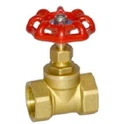
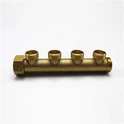
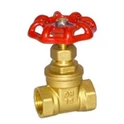
As a supplier of brass valve spools, I've witnessed firsthand the intricate relationship between the alloy composition of brass and the performance of valve spools. Brass, an alloy primarily composed of copper and zinc, offers a unique combination of properties that make it a popular choice for valve spools. However, the specific composition of the brass alloy can significantly impact the spool's functionality, durability, and overall performance.
Understanding Brass Alloy Composition
Brass is a versatile alloy, and its properties can be tailored by adjusting the ratio of copper to zinc and adding other elements. The most common brass alloys used in valve spools are alpha brass, alpha-beta brass, and leaded brass.


- Alpha Brass: This alloy contains up to 37% zinc and is characterized by its excellent ductility and corrosion resistance. Alpha brass is often used in applications where formability is crucial, such as in the manufacturing of complex-shaped valve spools.
- Alpha-Beta Brass: With a zinc content between 37% and 45%, alpha-beta brass combines the strength of beta brass with the ductility of alpha brass. This alloy is known for its high strength and wear resistance, making it suitable for high-pressure and high-flow applications.
- Leaded Brass: Leaded brass contains small amounts of lead (usually between 1% and 3%), which improves its machinability. The addition of lead allows for easier cutting, drilling, and threading, resulting in more precise and efficient manufacturing processes.
Impact of Alloy Composition on Valve Spool Performance
The alloy composition of brass has a profound impact on the performance of valve spools in several key areas:
1. Corrosion Resistance
Corrosion is a major concern in valve applications, especially in environments where the spool comes into contact with corrosive fluids or gases. The copper content in brass provides inherent corrosion resistance, but the addition of other elements can further enhance this property. For example, alpha brass, with its high copper content, offers excellent resistance to general corrosion and dezincification. On the other hand, alpha-beta brass is more susceptible to dezincification in certain environments, but this can be mitigated by adding elements such as tin or arsenic.
2. Strength and Durability
The strength and durability of a valve spool are crucial for its long-term performance. The zinc content in brass plays a significant role in determining the alloy's strength. As the zinc content increases, the strength of the brass also increases, but at the expense of ductility. Alpha-beta brass, with its higher zinc content, offers greater strength and wear resistance compared to alpha brass, making it suitable for high-stress applications. Additionally, the addition of other elements such as aluminum or manganese can further enhance the strength and hardness of the brass alloy.
3. Machinability
Machinability is an important factor in the manufacturing of valve spools. Leaded brass, with its small amount of lead, offers excellent machinability, allowing for faster and more precise machining operations. This results in lower manufacturing costs and higher production efficiency. However, the use of leaded brass may be restricted in certain applications due to environmental and health concerns. In such cases, alternative alloys with improved machinability, such as free-cutting brass, can be used.
4. Thermal Conductivity
Valve spools may be exposed to high temperatures in certain applications, and the alloy's thermal conductivity can affect its performance. Brass has relatively high thermal conductivity, which allows for efficient heat transfer. This property is particularly important in applications where the spool needs to dissipate heat quickly to prevent overheating and damage. The copper content in brass contributes to its high thermal conductivity, and alloys with higher copper content generally have better thermal properties.
Selecting the Right Brass Alloy for Valve Spools
When selecting a brass alloy for valve spools, it's essential to consider the specific requirements of the application. Factors such as the operating environment, pressure, temperature, and flow rate should all be taken into account. Here are some general guidelines to help you choose the right alloy:
- Low-Pressure and Corrosive Environments: For applications with low pressure and exposure to corrosive fluids or gases, alpha brass is a good choice. Its high copper content provides excellent corrosion resistance, and its ductility allows for easy forming and machining.
- High-Pressure and High-Flow Applications: In high-pressure and high-flow applications, alpha-beta brass is often preferred. Its higher strength and wear resistance make it suitable for handling the stresses and forces associated with these conditions.
- Precision Machining Requirements: If precision machining is required, leaded brass or free-cutting brass may be the best option. These alloys offer excellent machinability, resulting in more accurate and efficient manufacturing processes.
Our Product Offerings
As a leading supplier of brass valve spools, we offer a wide range of products to meet the diverse needs of our customers. Our Pickled Brass Spool is treated with a special pickling process to remove surface impurities and improve its corrosion resistance. This spool is ideal for applications where cleanliness and corrosion protection are essential.
Our High-Quality Brass Spool is made from premium-grade brass alloys, carefully selected for their superior strength, durability, and performance. These spools are available in various sizes and configurations to suit different valve designs and applications.
Conclusion
The alloy composition of brass plays a critical role in the performance of valve spools. By understanding the properties of different brass alloys and their impact on spool performance, you can make an informed decision when selecting the right alloy for your application. As a trusted supplier of brass valve spools, we are committed to providing high-quality products that meet the highest standards of performance and reliability. If you have any questions or need assistance in selecting the right brass valve spool for your needs, please don't hesitate to contact us. We look forward to discussing your requirements and helping you find the perfect solution.
References
- ASM Handbook, Volume 2: Properties and Selection: Nonferrous Alloys and Special-Purpose Materials. ASM International.
- Brass Mill Handbook. Copper Development Association.
- Valve Handbook, 4th Edition. Elsevier.