Hey there! As a supplier of brass fittings, I've been getting a lot of questions lately about the long - term stability of these products. So, I thought I'd take the time to sit down and write a blog post to address this hot topic.
First off, let's talk about what brass is. Brass is an alloy made primarily of copper and zinc. Depending on the specific application and requirements, other elements like lead, tin, or iron might be added in small amounts. This combination gives brass a unique set of properties that make it a popular choice for all sorts of fittings.
One of the key factors contributing to the long - term stability of brass fittings is their corrosion resistance. Copper, one of the main components of brass, forms a thin oxide layer on its surface when exposed to air. This layer acts as a protective barrier, preventing further oxidation and corrosion. Zinc also plays a role in enhancing this corrosion resistance. It sacrifices itself in a process called galvanic protection, where it corrodes preferentially to protect the copper.
This corrosion resistance is super important, especially in applications where the fittings are exposed to moisture, chemicals, or harsh environments. For example, in plumbing systems, brass fittings can withstand the constant flow of water, which might contain minerals and other impurities. Over time, they won't rust or corrode as easily as some other metals, ensuring a long - lasting and reliable connection.
Another aspect of long - term stability is mechanical strength. Brass has good tensile strength and ductility. Tensile strength means it can withstand a certain amount of pulling force without breaking. Ductility, on the other hand, allows the brass to be shaped and formed into different fitting designs without cracking. This is crucial during the manufacturing process, as we can create complex shapes like elbows, tees, and couplings. And once these fittings are installed, they can handle the pressures and stresses of normal use.
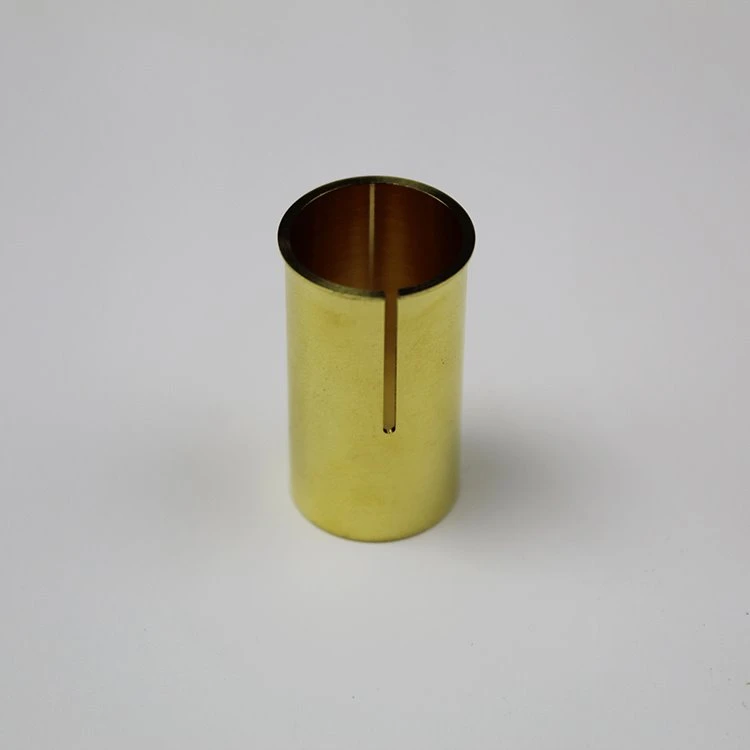
Let's take a look at some of our specific products. The Brass Fitting Sleeve is a great example. It's used to connect two pipes together. Thanks to the long - term stability of brass, this sleeve can maintain a tight and secure connection over the years. It won't loosen or break easily, even if there are minor vibrations or movements in the piping system.

The Y - Type Brass Filter is another product that benefits from brass's stability. This filter is designed to remove impurities from the fluid flowing through the pipes. In industrial settings, where the fluid might be abrasive or contain corrosive substances, the brass construction ensures that the filter can keep doing its job for a long time. The corrosion - resistant nature of brass means it won't degrade quickly, and the mechanical strength allows it to withstand the pressure of the fluid flow.
The Brass Filter 59 - 1 is also a reliable choice. It's made with a specific type of brass alloy that offers enhanced performance. The long - term stability of this filter means that it can provide consistent filtration efficiency over an extended period. Whether it's used in a water treatment plant or a chemical processing facility, you can count on it to keep the fluid clean.
However, it's important to note that while brass fittings have excellent long - term stability, there are some factors that can affect their performance. For instance, if the brass is exposed to extremely high temperatures for a long time, it can start to lose its mechanical properties. Also, certain chemicals or pollutants in the environment can accelerate the corrosion process. But with proper installation, maintenance, and selection of the right brass alloy for the application, these issues can be minimized.
When it comes to installation, it's crucial to follow the manufacturer's guidelines. Using the right tools and techniques ensures that the fittings are properly seated and tightened. This helps to prevent leaks and premature failure. Regular maintenance, such as checking for signs of corrosion or damage, can also extend the lifespan of the brass fittings.
In conclusion, brass fittings generally have a high level of long - term stability. Their corrosion resistance and mechanical strength make them a reliable choice for a wide range of applications. Whether you're working on a small DIY plumbing project or a large industrial installation, you can trust brass fittings to do the job.
If you're in the market for high - quality brass fittings, I'd love to have a chat with you. We offer a wide range of products that are designed to meet your specific needs. Don't hesitate to reach out for a quote or to discuss your requirements. I'm here to help you find the perfect brass fittings for your project.
References
- "The Properties and Applications of Brass Alloys" - A technical guide on brass materials.
- "Corrosion Resistance of Metals in Plumbing Systems" - A research paper on the performance of different metals in plumbing.