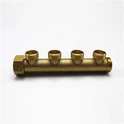
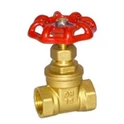
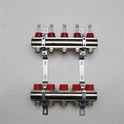
Brass manifolds have long been a staple in various plumbing and fluid - handling applications. One question that often arises is whether brass manifolds can be used in irrigation systems. As a trusted supplier of brass manifolds, I'll delve into the properties of brass, the requirements of irrigation systems, and the advantages and limitations of using brass manifolds in this context.
Properties of Brass
Brass is an alloy composed primarily of copper and zinc. This combination endows brass with several key properties that make it an attractive material for manifold manufacturing. Firstly, brass has excellent corrosion resistance. Copper in the alloy forms a protective oxide layer on the surface, which shields the metal from the corrosive effects of water and other substances. This is crucial in irrigation systems, where the manifold is constantly exposed to water, sometimes containing chemicals and minerals that can cause corrosion over time.
Secondly, brass is relatively easy to machine. This means that complex manifold designs with multiple ports, valves, and connections can be fabricated with high precision. Manufacturers can create brass manifolds in various shapes and sizes to meet the specific needs of different irrigation set - ups, whether it's a small home garden or a large - scale agricultural field.
Thirdly, brass has good strength and durability. It can withstand the pressure exerted by the water in the irrigation system without deforming or cracking. This is essential for maintaining the integrity of the system and ensuring a consistent flow of water to the plants.
Requirements of Irrigation Systems
Irrigation systems have specific requirements that any manifold used in them must meet. One of the primary requirements is the ability to handle different water pressures. Depending on the size of the irrigation area, the type of sprinklers or emitters used, and the distance from the water source, the water pressure in the system can vary significantly. A manifold must be able to withstand these pressure fluctuations without failing.
Another requirement is chemical compatibility. In many irrigation systems, fertilizers, pesticides, and other chemicals are added to the water. The manifold material should not react with these chemicals, as this could lead to the degradation of the manifold and the contamination of the water supply.
Ease of installation and maintenance is also crucial. Irrigation systems need to be set up quickly and efficiently, and any components, including the manifold, should be easy to install. Additionally, in case of a problem, the manifold should be accessible and easy to repair or replace.
Advantages of Using Brass Manifolds in Irrigation Systems
- Corrosion Resistance: As mentioned earlier, the corrosion - resistant nature of brass makes it ideal for irrigation systems. Since the manifold is in constant contact with water, a corrosion - prone material would quickly deteriorate, leading to leaks and reduced system efficiency. Brass manifolds can last for many years, even in harsh environmental conditions, providing a reliable and long - lasting solution.
- Versatility: Brass manifolds can be customized to fit a wide range of irrigation system configurations. Whether you need a simple manifold for a drip irrigation system in a small garden or a complex one for a large - scale sprinkler system in an agricultural field, brass can be machined to meet your specific requirements. For example, we offer a [Manifold Tail Piece](/manifold/brass - manifolds/manifold - tail - piece.html) that can be easily integrated into different types of irrigation set - ups.
- Good Flow Characteristics: Brass has a smooth internal surface, which allows for a more laminar flow of water through the manifold. This reduces turbulence and pressure drops, ensuring that water is distributed evenly to all parts of the irrigation system. This is especially important for maintaining the proper operation of sprinklers and emitters, which rely on a consistent water flow to function effectively.
- Temperature Resistance: Irrigation systems may be exposed to a wide range of temperatures, from freezing cold in the winter to hot summer days. Brass has good temperature resistance and can maintain its structural integrity over a broad temperature range. Our [Temperature Control Manifold](/manifold/brass - manifolds/temperature - control - manifold.html) is designed to handle these temperature variations, ensuring the reliable operation of the irrigation system in different climates.
Limitations of Using Brass Manifolds in Irrigation Systems
- Cost: Compared to some other materials, such as plastic, brass manifolds can be more expensive. The cost of raw materials and the machining processes involved in manufacturing brass manifolds contribute to their higher price. However, it's important to consider the long - term benefits, such as durability and corrosion resistance, which can offset the initial investment.
- Weight: Brass is a relatively heavy material. This can make the installation of brass manifolds more challenging, especially in larger irrigation systems where multiple manifolds may be required. Additionally, the weight of the manifold may require additional support structures to prevent sagging or damage over time.
- Hard Water Issues: In areas with hard water, which contains high levels of minerals such as calcium and magnesium, brass manifolds may experience scaling. Over time, these mineral deposits can build up inside the manifold, reducing the flow of water and potentially causing blockages. Regular maintenance, such as descaling, may be required to keep the manifold functioning properly.
Compatibility with Other Irrigation System Components
Brass manifolds are generally compatible with a wide range of other irrigation system components. They can be easily connected to pipes made of different materials, such as PVC, polyethylene, and copper. The threaded connections on brass manifolds allow for a secure and leak - free connection, ensuring the efficient transfer of water throughout the system.
When it comes to valves, brass manifolds can be paired with various types of valves, including ball valves, gate valves, and [Switch Valve Manifolds](/manifold/brass - manifolds/switch - valve - manifold.html). These valves can be used to control the flow of water, regulate pressure, and direct water to different parts of the irrigation system.
Conclusion
In conclusion, brass manifolds can indeed be used in irrigation systems, offering a range of benefits such as corrosion resistance, versatility, good flow characteristics, and temperature resistance. While they do have some limitations, such as cost and weight, the long - term advantages often outweigh these drawbacks.


If you're considering using brass manifolds in your irrigation system, we'd be more than happy to assist you. Our team of experts can help you choose the right type of brass manifold for your specific needs, provide installation guidance, and offer ongoing support. Whether you're a homeowner looking to upgrade your garden irrigation or an agricultural professional managing a large - scale operation, we have the products and expertise to meet your requirements. Contact us to start a discussion about your irrigation manifold needs and explore the possibilities of using our high - quality brass manifolds in your system.
References
- ASME B16.15 - Standard for Cast Copper Alloy Threaded Fittings
- ASTM B584 - Standard Specification for Copper - Alloy Sand Castings for General Applications
- Irrigation Association - Best Practices for Irrigation System Design and Installation