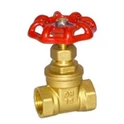
As a supplier of PP - R gate valves, I often encounter various inquiries from customers, and one question that frequently pops up is whether a PP - R gate valve can be used in a low - temperature environment. This is a crucial concern, especially for those in regions with cold climates or industries that require low - temperature operations. In this blog, I will delve into this topic, providing a comprehensive analysis based on scientific knowledge and practical experience.
Understanding PP - R Gate Valves
PP - R, or Polypropylene Random Copolymer, is a thermoplastic material widely used in plumbing systems due to its excellent properties. PP - R gate valves are designed to control the flow of fluids in pipelines. They have a simple structure, consisting of a gate that moves up and down to open or close the valve. These valves are known for their corrosion resistance, smooth inner surface, and relatively low cost compared to some other valve materials.
The PP - R Gate Valve has become a popular choice in many domestic and industrial applications. However, its performance in low - temperature environments needs to be carefully evaluated.
Properties of PP - R at Low Temperatures
PP - R has certain physical and mechanical properties that are affected by temperature changes. At normal temperatures, PP - R is flexible and has good impact resistance. But as the temperature drops, its molecular mobility decreases, and the material becomes more brittle.
One of the key properties to consider is the glass transition temperature (Tg) of PP - R. The Tg is the temperature at which the polymer changes from a rubbery, flexible state to a glassy, brittle state. For PP - R, the Tg is typically around - 10°C to - 20°C. When the temperature approaches or falls below the Tg, the risk of cracking and failure of the PP - R gate valve increases significantly.
In addition to the change in brittleness, low temperatures can also affect the sealing performance of the valve. The contraction of the PP - R material at low temperatures may cause gaps between the valve components, leading to leakage. This is a serious issue, especially in applications where fluid containment is critical.
Factors Affecting the Use of PP - R Gate Valves in Low - Temperature Environments
1. Temperature Range
The specific temperature range of the low - temperature environment is a primary factor. If the temperature is just slightly below the normal operating temperature (e.g., around 0°C to 5°C), the PP - R gate valve may still function properly for a certain period. However, if the temperature drops to - 10°C or lower, the valve is at a high risk of failure.
2. Fluid Type
The type of fluid flowing through the valve also matters. Some fluids, such as water, can expand when they freeze. If water is present in the valve and freezes at low temperatures, the expansion force can cause the valve body to crack. On the other hand, non - freezing fluids may have less impact on the valve's integrity, but they can still affect the valve's performance due to the change in the material's properties.
3. Pressure
The pressure in the pipeline is another important factor. Higher pressures can exacerbate the stress on the valve, especially when the PP - R material is in a brittle state at low temperatures. A small crack or defect in the valve can quickly propagate under high pressure, leading to a complete failure of the valve.
Advantages and Disadvantages of Using PP - R Gate Valves in Low - Temperature Environments
Advantages
- Cost - Effective: PP - R gate valves are generally more affordable than some other valve materials, such as brass. This makes them an attractive option for applications where cost is a major concern, even in low - temperature environments where the risks are relatively low.
- Corrosion Resistance: PP - R is highly resistant to corrosion, which is beneficial in environments where the fluid may be corrosive. This property can extend the service life of the valve, even in some low - temperature applications.
Disadvantages
- Brittleness: As mentioned earlier, the brittleness of PP - R at low temperatures is a significant drawback. The risk of cracking and failure can lead to costly repairs and potential safety hazards.
- Sealing Issues: The change in the material's dimensions at low temperatures can cause sealing problems, resulting in fluid leakage.
Alternatives to PP - R Gate Valves in Low - Temperature Environments
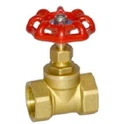
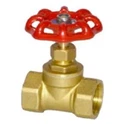
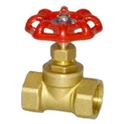
If the low - temperature environment is too harsh for PP - R gate valves, alternative valve materials can be considered. One such option is the Brass Gate Valve 1/2". Brass has better low - temperature performance compared to PP - R. It has a higher impact resistance and is less likely to crack at low temperatures.


Another option is the Customized Brass Gate Valve. Customized brass valves can be designed to meet specific requirements in low - temperature applications, such as enhanced sealing and better pressure resistance.
Mitigating the Risks of Using PP - R Gate Valves in Low - Temperature Environments
If you still want to use PP - R gate valves in low - temperature environments, there are some measures that can be taken to mitigate the risks.
- Insulation: Wrapping the valve and the pipeline with insulation materials can help maintain a relatively stable temperature around the valve. This can prevent the temperature from dropping too low and reduce the risk of brittleness.
- Temperature Monitoring: Installing temperature sensors near the valve can allow you to monitor the temperature in real - time. If the temperature approaches the critical level, appropriate actions can be taken, such as shutting down the system or providing additional heating.
- Proper Installation: Ensuring proper installation of the PP - R gate valve is crucial. This includes correct alignment, proper tightening of the connections, and avoiding any damage to the valve during installation.
Conclusion
In conclusion, while PP - R gate valves have many advantages in normal temperature applications, their use in low - temperature environments is limited. The brittleness and sealing issues at low temperatures pose significant risks to the valve's performance and integrity. However, in some cases where the temperature is not extremely low and proper precautions are taken, PP - R gate valves can still be used.
If you are facing a low - temperature application, it is important to carefully evaluate the specific requirements and conditions. Consider alternative valve materials such as brass if the risks associated with PP - R are too high.
As a supplier of PP - R gate valves, I am committed to providing high - quality products and professional advice. If you have any questions about the use of PP - R gate valves in low - temperature environments or need help in selecting the right valve for your application, please feel free to contact me for procurement discussions.
References
- "Polymer Science and Engineering" by L. H. Sperling
- Technical data sheets of PP - R materials from major manufacturers