Hey there! As a gas valve supplier, I often get asked if a gas valve can be adjusted. Well, the short answer is yes, but there's a lot more to it than that. In this blog post, I'll break down the ins and outs of gas valve adjustment, so you can make informed decisions about your gas systems.
Understanding Gas Valves
First things first, let's talk about what gas valves are and what they do. Gas valves are essential components in any gas system, whether it's a residential heating system, a commercial kitchen, or an industrial process. Their main job is to control the flow of gas, ensuring that it's delivered safely and efficiently to where it's needed.
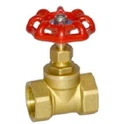
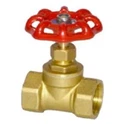
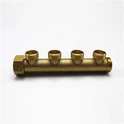
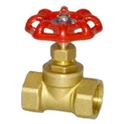
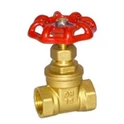
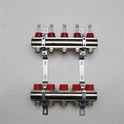
There are different types of gas valves, each designed for specific applications. For example, Handle Gas Valve are commonly used in residential settings. They're easy to operate and can be manually turned on or off. On the other hand, Gas Regulator Valve are used to control the pressure of the gas. They ensure that the gas is delivered at a consistent and safe pressure, which is crucial for the proper functioning of appliances and equipment. And then there are Double - Fork Gas Valve, which are often used in more complex gas systems where multiple gas lines need to be controlled.
Why Adjust a Gas Valve?
There are several reasons why you might need to adjust a gas valve. One of the most common reasons is to optimize the performance of a gas - powered appliance. For example, if your gas stove isn't heating up evenly or your furnace isn't providing enough heat, adjusting the gas valve might solve the problem. By adjusting the valve, you can increase or decrease the amount of gas flowing to the appliance, which can improve its efficiency and performance.
Another reason for adjusting a gas valve is safety. If the gas pressure is too high, it can pose a serious risk of explosion or fire. On the other hand, if the pressure is too low, the appliance might not work properly or could produce carbon monoxide, which is a deadly gas. Adjusting the gas valve to the correct pressure ensures that the gas system operates safely.
How to Adjust a Gas Valve
Adjusting a gas valve isn't something that should be done lightly. It requires some knowledge and experience, and in many cases, it's best left to a professional. However, if you're a DIY enthusiast and you want to give it a try, here are the general steps:
- Turn off the gas supply: Before you start any work on a gas valve, make sure to turn off the main gas supply to the system. This is a crucial safety step that can prevent gas leaks and potential accidents.
- Locate the adjustment screw: Different gas valves have different adjustment mechanisms. In most cases, there will be an adjustment screw or a knob that you can turn to change the gas flow or pressure. Refer to the manufacturer's instructions to find the exact location of the adjustment point.
- Make small adjustments: When you start adjusting the valve, make small, incremental changes. This will allow you to see the effect of each adjustment without over - or under - adjusting the valve. For example, if you're adjusting the pressure, turn the screw a quarter - turn at a time and then check the pressure with a pressure gauge.
- Test the appliance: After making an adjustment, turn on the gas supply and test the appliance. Check if it's working properly and if the performance has improved. If not, you can make further adjustments.
- Check for leaks: Once you're satisfied with the adjustment, use a gas leak detector or a soapy water solution to check for any gas leaks around the valve and the connections. If you detect a leak, turn off the gas supply immediately and fix the problem.
Risks of Incorrect Adjustment
As I mentioned earlier, adjusting a gas valve is a task that should be approached with caution. Incorrect adjustment can lead to a number of problems.
If you over - adjust the valve and increase the gas flow or pressure too much, it can cause the appliance to overheat, which can damage the appliance and increase the risk of a fire. It can also put unnecessary stress on the gas system, leading to premature wear and tear of the components.
On the other hand, if you under - adjust the valve, the appliance might not work properly. It could produce insufficient heat, or it might not ignite at all. In some cases, an under - adjusted valve can also cause the appliance to produce carbon monoxide, which is a colorless, odorless, and deadly gas.

When to Call a Professional
While it's possible to adjust a gas valve on your own, there are certain situations where it's best to call a professional. If you're not familiar with gas systems or if you're unsure about how to adjust the valve, it's better to leave it to the experts. A professional gas technician has the knowledge, experience, and tools to safely and accurately adjust the valve.
Also, if you notice any signs of a gas leak, such as a hissing sound, the smell of gas, or a persistent cough or headache when using the gas appliance, stop using the system immediately and call a professional. Gas leaks are extremely dangerous and should be dealt with by a qualified technician.

Our Gas Valve Offerings
As a gas valve supplier, we offer a wide range of high - quality gas valves to meet your needs. Whether you're looking for a Handle Gas Valve for your home or a Gas Regulator Valve for an industrial application, we've got you covered. Our valves are made from top - quality materials and are designed to provide reliable and safe performance.

Contact Us for Purchasing
If you're in the market for gas valves or if you have any questions about gas valve adjustment, we'd love to hear from you. We can provide you with expert advice and help you choose the right valve for your application. Don't hesitate to reach out to us for a purchase and to start a great business relationship.
References
- "Gas Valve Installation and Maintenance Guide" by ABC Gas Equipment Manufacturer
- "Safety Standards for Gas Systems" by National Gas Safety Association