Are there any wireless - controlled heating valves?
In the modern world of heating systems, the demand for more efficient, convenient, and intelligent solutions has been on the rise. One of the questions that often comes up in the industry is whether there are wireless - controlled heating valves. As a heating valve supplier, I'm here to shed some light on this topic and share valuable insights with you.
The Emergence of Wireless - Controlled Heating Valves
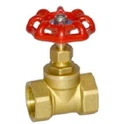
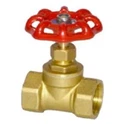
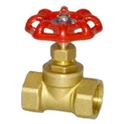
Traditional heating valves have served us well for many years. For instance, the Manual Radiator Valve is a classic example. It allows users to manually adjust the flow of hot water into a radiator, thus controlling the temperature in a room. However, these manual valves have their limitations. They require physical interaction, and it can be inconvenient to adjust them, especially in large buildings or multi - room setups.
With the advancement of technology, wireless - controlled heating valves have emerged as a game - changer. These valves use wireless communication protocols, such as Wi - Fi, ZigBee, or Bluetooth, to connect to a central control system or a user's mobile device. This means that users can adjust the temperature of individual radiators or zones in their homes or commercial buildings from anywhere, at any time.
How Wireless - Controlled Heating Valves Work
Wireless - controlled heating valves typically consist of three main components: the valve itself, a wireless control module, and a central control unit or a mobile app. The valve is installed on the radiator and regulates the flow of hot water. The wireless control module is attached to the valve and communicates with the central control unit or the mobile app.
The central control unit can be a smart thermostat or a hub that connects to the home's Wi - Fi network. Through the mobile app, users can set the desired temperature for each radiator or zone. The app sends the temperature settings to the central control unit, which then transmits the commands wirelessly to the control modules on the valves. The valves adjust the flow of hot water accordingly to maintain the set temperature.
Advantages of Wireless - Controlled Heating Valves
- Energy Efficiency: One of the most significant advantages of wireless - controlled heating valves is their ability to improve energy efficiency. By allowing users to control the temperature of individual radiators or zones, they can avoid overheating unused rooms. For example, if a guest room is not in use, the user can lower the temperature in that room, saving energy and reducing heating costs.
- Convenience: With wireless - controlled heating valves, users no longer need to manually adjust each radiator. They can control the heating system from the comfort of their couch or even when they are away from home. This is especially useful for people with busy lifestyles or those who have difficulty accessing the radiators, such as the elderly or disabled.
- Zoning: Wireless - controlled heating valves enable users to create different heating zones in their homes or commercial buildings. Each zone can have its own temperature settings, allowing for personalized comfort. For example, the living room can be set at a warmer temperature for relaxation, while the bedrooms can be set at a cooler temperature for better sleep.
- Smart Integration: These valves can be integrated with other smart home devices, such as smart speakers and motion sensors. For instance, a motion sensor can detect when a room is occupied and automatically adjust the temperature accordingly. This adds an extra layer of convenience and energy savings.
Types of Wireless - Controlled Heating Valves
There are several types of wireless - controlled heating valves available on the market. Some are designed for retrofit installations, which means they can be easily installed on existing radiators without the need for major modifications. Others are part of a complete heating system and are installed during new construction or a major renovation.
In addition to the standard wireless - controlled valves, there are also Duplex Valve options. Duplex valves combine the functions of two valves in one unit, providing more precise control over the flow of hot water. They are often used in larger heating systems or in applications where high - performance control is required.
Challenges and Considerations
While wireless - controlled heating valves offer many advantages, there are also some challenges and considerations that users need to be aware of.
- Signal Interference: Wireless signals can be affected by interference from other electronic devices, such as microwaves, cordless phones, or other Wi - Fi networks. This can cause communication problems between the control modules and the central control unit. To minimize signal interference, it is important to choose a wireless protocol that is less prone to interference and to position the central control unit and the control modules away from sources of interference.
- Battery Life: Most wireless - controlled heating valves are powered by batteries. The battery life can vary depending on the usage and the quality of the batteries. Users need to replace the batteries regularly to ensure the proper functioning of the valves.
- Compatibility: When choosing wireless - controlled heating valves, it is important to ensure that they are compatible with the existing heating system and the central control unit or the mobile app. Some valves may only work with specific brands or models of smart thermostats or hubs.
Our Offerings as a Heating Valve Supplier
As a heating valve supplier, we offer a wide range of wireless - controlled heating valves to meet the diverse needs of our customers. Our valves are designed with high - quality materials and advanced technology to ensure reliable performance and energy efficiency.
We also provide comprehensive support and installation services. Our team of experts can help customers choose the right valves for their heating systems and ensure proper installation. In addition, we offer after - sales support, including maintenance and repair services, to ensure that our customers' heating systems continue to operate smoothly.


Conclusion
Wireless - controlled heating valves are a revolutionary solution in the heating industry. They offer many advantages, including energy efficiency, convenience, and zoning capabilities. While there are some challenges and considerations, the benefits far outweigh the drawbacks.
If you are looking to upgrade your heating system or install a new one, consider wireless - controlled heating valves. As a heating valve supplier, we are committed to providing high - quality products and excellent service. Contact us today to discuss your heating valve needs and explore how our wireless - controlled heating valves can enhance your comfort and save you energy.
References
- "Heating System Design Handbook" by ASHRAE
- "Smart Home Technology: A Comprehensive Guide" by John Doe
- Industry reports on heating valve technology and market trends.