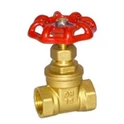
As a gas valve supplier, I've often been asked about the regulations surrounding gas valves. Gas valves are crucial components in any gas system, ensuring the safe and efficient flow of gas. Their proper functioning is not only essential for the smooth operation of appliances but also for the safety of users. In this blog post, I'll delve into the regulations governing gas valves and why compliance is so important.
Understanding the Importance of Gas Valve Regulations
Gas valves play a pivotal role in controlling the flow of gas to various appliances, such as stoves, heaters, and water heaters. Any malfunction or non - compliance of these valves can lead to serious safety hazards, including gas leaks, explosions, and fires. Regulations are put in place to ensure that gas valves meet certain standards of quality, performance, and safety.
These regulations cover a wide range of aspects, from the materials used in manufacturing to the testing procedures. For example, the materials used in gas valves must be resistant to corrosion and able to withstand the pressure and temperature of the gas flowing through them. This ensures that the valves do not deteriorate over time, reducing the risk of leaks.
International and National Regulations
International Standards
On an international level, there are several standards that gas valve manufacturers adhere to. One of the most well - known is the ISO (International Organization for Standardization) standards. ISO standards provide a common framework for quality management, ensuring that products are consistent and meet certain performance criteria. For gas valves, ISO standards may cover aspects such as design, construction, and testing.
National Regulations
Each country also has its own set of regulations regarding gas valves. In the United States, for instance, the National Fire Protection Association (NFPA) sets standards for gas appliances and their components, including gas valves. The NFPA 54, also known as the National Fuel Gas Code, provides detailed requirements for the installation, maintenance, and inspection of gas valves.
In Europe, the European Committee for Standardization (CEN) develops standards for gas valves. These standards, such as EN 161, ensure that gas valves sold in the European market are safe and reliable. Manufacturers must obtain certification to prove that their products meet these standards.
Specific Regulations for Different Types of Gas Valves
Handle Gas Valve
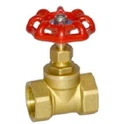
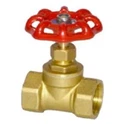
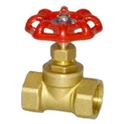
Handle gas valves are commonly used in residential and commercial settings to manually control the flow of gas. These valves must meet specific regulations regarding their design and operation. For example, the handle should be easy to grip and turn, even when wearing gloves. The valve should also have a clear indication of its open and closed positions. You can find a wide range of handle gas valves that comply with all relevant regulations on our website Handle Gas Valve.
Gas Regulator Valve
Gas regulator valves are designed to control the pressure of the gas flowing through a system. They are crucial for ensuring that appliances receive the correct amount of gas at the right pressure. Regulations for gas regulator valves often focus on pressure - regulating capabilities, accuracy, and safety features. For instance, a gas regulator valve should be able to maintain a stable pressure even when there are fluctuations in the supply pressure. You can explore our selection of high - quality gas regulator valves at Gas Regulator Valve.
Trident Gas Valve
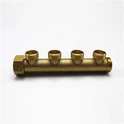
Trident gas valves are a specialized type of gas valve that are often used in more complex gas systems. These valves may have multiple ports and are designed to control the flow of gas in different directions. Regulations for trident gas valves may be more stringent due to their complexity. They must be tested thoroughly to ensure that they can handle the specific requirements of the system they are installed in. Check out our trident gas valves that meet all regulatory requirements at Trident Gas Valve.
The Role of Testing in Compliance
Testing is a crucial part of ensuring that gas valves comply with regulations. There are various types of tests that gas valves must undergo, including pressure tests, leakage tests, and durability tests.
Pressure Tests
Pressure tests are used to determine the maximum pressure that a gas valve can withstand without failing. This is important because gas systems operate at different pressures, and the valve must be able to handle the pressure without leaking or breaking.
Leakage Tests
Leakage tests are designed to detect any gas leaks in the valve. Even a small leak can be dangerous, so valves must be tested to ensure that they are airtight.
Durability Tests
Durability tests simulate the long - term use of the valve. Valves are often tested by opening and closing them repeatedly to ensure that they can withstand normal wear and tear over time.
Why Compliance Matters for Gas Valve Suppliers
As a gas valve supplier, compliance with regulations is not just a legal requirement; it's also a matter of reputation and customer safety. When customers purchase gas valves from us, they expect products that are safe and reliable. By adhering to all relevant regulations, we can provide our customers with peace of mind.


Compliance also helps us to stay competitive in the market. In a highly regulated industry, customers are more likely to choose a supplier that can prove that their products meet all the necessary standards. It also allows us to expand our market reach, as we can sell our products in different countries that have their own regulatory requirements.
Contact Us for Your Gas Valve Needs
If you're in the market for high - quality gas valves that comply with all relevant regulations, look no further. We are a trusted gas valve supplier with a wide range of products to meet your specific needs. Whether you need a handle gas valve, a gas regulator valve, or a trident gas valve, we have you covered.
We understand the importance of regulations and ensure that all our products are tested and certified to meet the highest standards. Contact us today to discuss your requirements and start a procurement negotiation. Our team of experts is ready to assist you in finding the perfect gas valves for your application.
References
- International Organization for Standardization (ISO)
- National Fire Protection Association (NFPA)
- European Committee for Standardization (CEN)