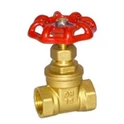
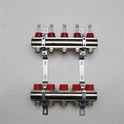
In the field of fluid control systems, the efficient filtration of small particles is a crucial requirement across various industries, from water treatment to chemical processing. Two common components used for this purpose are filter ball valves and strainer ball valves. As a trusted supplier of Filter Ball Valves, I've had the opportunity to closely observe the performance of both types of valves in real - world applications. In this blog, I'll delve into the details of which one is more effective in filtering small particles.
Understanding Filter Ball Valves and Strainer Ball Valves
Filter Ball Valves
A filter ball valve is a specialized type of valve that combines the functionality of a ball valve with a filtration mechanism. The valve has a ball with a hole in the center that can be rotated to control the flow of fluid. The filter element is integrated into the valve body, usually in the form of a fine - mesh screen or a porous material. When fluid passes through the valve, the filter traps small particles, preventing them from flowing downstream.
For instance, our Multi - Function Filter Ball Valve is designed with a high - quality filter media that can effectively capture particles as small as a few microns. This valve is suitable for applications where precise filtration is required, such as in pharmaceutical manufacturing or high - purity water systems.
Strainer Ball Valves
A strainer ball valve also combines a ball valve and a strainer. However, the strainer in a strainer ball valve is typically a basket - shaped device that is placed upstream of the ball valve. The basket has perforations or a mesh that allows fluid to pass through while retaining larger particles. The ball valve then controls the flow of the pre - filtered fluid.
Factors Affecting Filtration Efficiency
Particle Size and Distribution
The size and distribution of the particles in the fluid are key factors in determining the effectiveness of filtration. Filter ball valves are generally better at filtering very small particles. The fine - mesh filters used in filter ball valves can capture particles in the sub - micron range, which is essential for applications like semiconductor manufacturing, where even the smallest particles can cause defects.
On the other hand, strainer ball valves are more suitable for filtering larger particles. The basket - type strainers in these valves typically have larger perforations, which are designed to catch particles in the range of tens to hundreds of microns. For example, in a cooling water system, where the main concern is to remove debris such as sand and rust particles, a strainer ball valve can be a cost - effective solution.
Flow Rate
Flow rate is another important factor. High flow rates can pose challenges for both types of valves. In filter ball valves, a high flow rate can cause the filter to become clogged more quickly, reducing its filtration efficiency. The pressure drop across the filter may also increase significantly, which can affect the overall performance of the system.
Strainer ball valves can handle higher flow rates more effectively. The larger surface area of the basket - type strainers allows for a greater volume of fluid to pass through without a significant increase in pressure drop. For applications with high - flow requirements, such as in large - scale industrial water supply systems, strainer ball valves may be a better choice.
Filtration Capacity
Filtration capacity refers to the amount of particles that a valve can trap before it needs to be cleaned or replaced. Filter ball valves usually have a lower filtration capacity compared to strainer ball valves. The small size of the filter media in filter ball valves means that it can become saturated with particles relatively quickly.
Strainer ball valves, with their larger basket - type strainers, can hold a greater amount of debris. This makes them more suitable for applications where the fluid contains a large amount of particulate matter, such as in wastewater treatment plants.
Real - World Applications
Filter Ball Valves in Precision Industries
In precision industries like electronics and biotechnology, filter ball valves are widely used. For example, in the production of microchips, the manufacturing process requires ultra - pure water. Our filter ball valves can ensure that the water used in the process is free from even the smallest particles, which is crucial for the quality and reliability of the microchips.
Strainer Ball Valves in Industrial and Municipal Applications
Strainer ball valves are commonly used in industrial and municipal water systems. In a power plant, for instance, the cooling water system needs to remove large debris such as leaves, twigs, and sand particles. A strainer ball valve can effectively perform this function, protecting the pumps and other equipment in the system from damage.
Cost - Effectiveness and Maintenance
Cost
Filter ball valves are generally more expensive than strainer ball valves. The cost of the high - quality filter media and the precision manufacturing required for filter ball valves contribute to their higher price. However, in applications where precise filtration is essential, the investment in a filter ball valve can be justified by the improved product quality and reduced downtime.
Strainer ball valves are more cost - effective, especially for applications where the filtration requirements are less stringent. Their simple design and lower manufacturing cost make them a popular choice for many industrial and commercial applications.


Maintenance
Maintenance requirements also differ between the two types of valves. Filter ball valves require more frequent maintenance because the filter media can become clogged quickly. Cleaning or replacing the filter element in a filter ball valve can be a time - consuming and labor - intensive process.
Strainer ball valves are relatively easy to maintain. The basket - type strainers can be easily removed and cleaned, and the replacement of the strainer basket is a straightforward process.
Conclusion
In conclusion, the choice between a filter ball valve and a strainer ball valve depends on the specific requirements of the application. If the goal is to filter very small particles in a system with relatively low flow rates and strict filtration requirements, a filter ball valve is the better option. Our Multi - Function Filter Ball Valve is an excellent choice for such applications.
On the other hand, if the fluid contains larger particles and the system has high flow rates, a strainer ball valve is more suitable. For example, our Forged Brass Ball Valve and Butterfly Handle Ball Valve 1" can be used in combination with a strainer for effective filtration in such scenarios.
If you are looking for high - quality filter ball valves or need advice on the best valve solution for your application, please feel free to contact us for procurement and further discussions. We have a team of experts who can provide you with customized solutions based on your specific needs.
References
- "Valve Handbook" by Crane Co., which provides in - depth knowledge about different types of valves and their applications.
- Industry research reports on fluid control systems and filtration technologies.