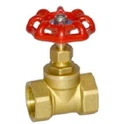
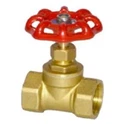
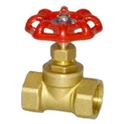
Hey there! As a supplier of TRV valves, I often get asked the question: "Where can I install a TRV valve?" Well, let's dive right into it.
First off, let's understand what a TRV valve is. A Thermostatic Radiator Valve (TRV) is a device that controls the temperature of a radiator. It allows you to set the desired temperature in a room, and the valve will automatically adjust the flow of hot water into the radiator to maintain that temperature. This not only helps in keeping your home comfortable but also saves energy by preventing overheating.
The most common place to install a TRV valve is on the radiator itself. Most radiators have two valves - one for the inlet of hot water and one for the outlet. The TRV valve should be installed on the inlet side of the radiator. This is because the valve needs to control the amount of hot water entering the radiator to regulate the temperature effectively.
When installing a TRV valve on a radiator, make sure that the radiator is turned off and cooled down completely. You don't want to burn yourself while working on it! Also, it's a good idea to place a towel or a bucket under the valve to catch any water that might drip out during the installation process.
Now, let's talk about different types of radiator setups. In a single-pipe system, the hot water enters the radiator at one end and exits at the other. In this case, the TRV valve should be installed at the end where the hot water enters. It's important to note that in a single-pipe system, you may need to install a Manual Radiator Valve on the outlet side to balance the flow of water.
In a two-pipe system, there are separate pipes for the inlet and outlet of hot water. Here, the installation of the TRV valve is a bit more straightforward. Just install it on the inlet pipe, and you're good to go.
Another factor to consider is the position of the radiator in the room. If the radiator is located under a window, it's still fine to install the TRV valve on it. However, you need to be aware that cold air from the window might affect the reading of the thermostat in the TRV valve. To counter this, you can use a valve with a remote sensor that can be placed in a more sheltered area of the room.
Some people also wonder if they can install a TRV valve on a towel rail radiator. The answer is yes! Towel rail radiators work in a similar way to regular radiators, and you can install a TRV valve on the inlet side to control the temperature. This is great for keeping your towels warm and dry while also saving energy.
What about radiators in different rooms? In bedrooms, installing a TRV valve is a no-brainer. You can set a lower temperature at night to save energy and a comfortable temperature during the day. In living rooms, where you might have different usage patterns, a TRV valve allows you to adjust the temperature according to your needs.
In bathrooms, it's also a good idea to install a TRV valve. You can set a higher temperature when you're taking a bath or shower and lower it when the bathroom is not in use. However, make sure that the valve you choose is suitable for a humid environment.
Now, there are some situations where you might need to be a bit more careful. If you have an old or gravity-fed heating system, you need to consult a professional before installing a TRV valve. These systems may have specific requirements, and incorrect installation could lead to problems with the heating system.


Also, if you have a radiator that is part of a zone heating system, you need to ensure that the TRV valve is compatible with the zone controls. Some advanced TRV valves can be integrated with smart home systems, allowing you to control the temperature of your radiators remotely.
In some cases, you might want to use a Duplex Valve instead of a regular TRV valve. Duplex valves offer additional features, such as the ability to control the flow of water more precisely. They can be a great option for larger radiators or in situations where you need more accurate temperature control.
To sum it up, the general rule of thumb is to install a TRV valve on the inlet side of the radiator. But you need to consider the type of heating system, the position of the radiator in the room, and the specific requirements of your home.
If you're still not sure about where to install your TRV valve or which valve is right for you, don't hesitate to reach out. As a TRV valve supplier, I'm here to help you make the right choice. Whether you're a DIY enthusiast or planning to hire a professional, I can provide you with all the information and support you need.
So, if you're interested in purchasing TRV valves for your home or business, get in touch for a friendly chat about your requirements. We can discuss the best options for your specific situation and help you make an informed decision.
References
- "Heating System Basics" - A guidebook on understanding different types of heating systems and their components.
- "Thermostatic Radiator Valves: Installation and Maintenance" - A technical manual on TRV valves.