Hey there! I'm a supplier of PP - R gate valves, and I often get asked about what types of gases these valves can handle. So, I thought I'd write this blog to share some insights.
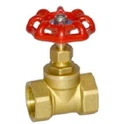
First off, let's understand what a PP - R gate valve is. PP - R stands for Polypropylene Random Copolymer. It's a type of plastic material that's known for its durability, chemical resistance, and affordability. A gate valve, on the other hand, is a valve that opens by lifting a round or rectangular gate out of the path of the fluid (or in our case, gas).
Gases Suitable for PP - R Gate Valves
1. Air
Air is one of the most common gases that PP - R gate valves can be used for. In many industrial and commercial settings, air systems are used for various purposes like pneumatic tools, ventilation, and air - conditioning. PP - R gate valves are great for these applications because they can handle the normal pressure and temperature ranges associated with air systems. For example, in a small - scale workshop where pneumatic drills and sanders are used, a PP - R gate valve can be used to control the flow of compressed air. It's cost - effective and easy to install, making it a popular choice among DIY enthusiasts and small business owners. You can check out our PP - R Gate Valve for more details.
2. Nitrogen
Nitrogen is an inert gas that's widely used in industries such as food packaging, electronics manufacturing, and chemical processing. PP - R gate valves can be used in nitrogen systems because of their chemical resistance. Nitrogen doesn't react with PP - R material under normal operating conditions. In food packaging, nitrogen is used to displace oxygen and extend the shelf - life of products. A PP - R gate valve can be used to control the flow of nitrogen into the packaging machines. It helps in maintaining the right amount of nitrogen in the packaging, ensuring the quality of the food products.
3. Carbon Dioxide
Carbon dioxide is another gas that PP - R gate valves can handle. In the beverage industry, carbon dioxide is used to carbonate drinks like soda and beer. PP - R gate valves can be used in the carbonation systems to control the flow of carbon dioxide. They can withstand the pressure and temperature conditions typically found in these systems. However, it's important to note that the temperature and pressure should be within the rated limits of the valve. If the conditions are too extreme, the valve may not perform as expected.
Limitations and Considerations
While PP - R gate valves are suitable for many gases, there are some limitations.
1. Temperature
PP - R has a limited temperature range. It can generally handle temperatures between 0°C and 95°C. If the gas temperature exceeds this range, the valve may deform or lose its sealing properties. For example, in high - temperature industrial processes where hot gases are involved, a PP - R gate valve may not be the best choice. In such cases, you might want to consider a Customized Brass Gate Valve which can handle higher temperatures.
2. Corrosive Gases
PP - R gate valves are not suitable for highly corrosive gases. Gases like chlorine, hydrogen sulfide, and ammonia can react with the PP - R material and cause damage to the valve. If you need to control the flow of these types of gases, you should look for valves made from more corrosion - resistant materials like stainless steel.

3. Pressure
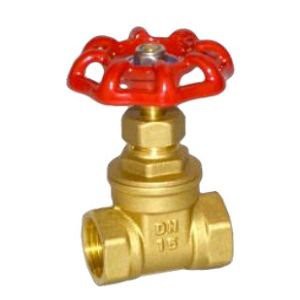
PP - R gate valves have a maximum pressure rating. If the gas pressure exceeds this rating, the valve may leak or even break. It's crucial to check the pressure requirements of your gas system and choose a valve with an appropriate pressure rating. For low - pressure gas systems, a standard PP - R gate valve may be sufficient. But for high - pressure applications, you may need a more robust valve, such as a Brass Gate Valve 1/2".
How to Choose the Right PP - R Gate Valve for Your Gas Application
When choosing a PP - R gate valve for your gas application, here are some factors to consider:
1. Gas Type
As we've discussed earlier, different gases have different properties. Make sure the valve is suitable for the specific gas you'll be using. Consider the chemical reactivity, temperature, and pressure requirements of the gas.
2. Pressure and Temperature Ratings
Check the pressure and temperature ratings of the valve and compare them with the conditions of your gas system. Choose a valve that can handle the maximum pressure and temperature that your system may encounter.
3. Size
The size of the valve is also important. It should match the pipe size in your gas system. A valve that's too small may restrict the flow of gas, while a valve that's too large may be expensive and difficult to install.
4. Quality
Look for high - quality PP - R gate valves. A well - made valve will last longer and perform better. Check for features like good sealing, smooth operation, and durable construction.
Why Choose Our PP - R Gate Valves
We're a supplier committed to providing high - quality PP - R gate valves. Our valves are made from top - grade PP - R material, ensuring excellent chemical resistance and durability. We have a wide range of sizes and pressure ratings to meet different gas application needs. Our valves are also easy to install and maintain, saving you time and money.
If you're in the market for a PP - R gate valve for your gas application, don't hesitate to contact us for more information. We can help you choose the right valve for your specific requirements and provide you with a competitive quote. Whether you're a small business owner, an industrial engineer, or a DIY enthusiast, we're here to assist you in finding the perfect valve solution.
References
- "Valve Handbook: Principles and Applications"
- "Plastics in Engineering Applications"
So, if you're looking to purchase PP - R gate valves for your gas systems, feel free to reach out and start a procurement discussion. We're eager to work with you!