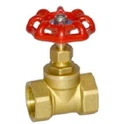
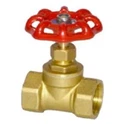
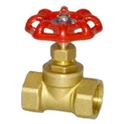
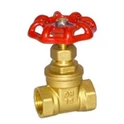
Hey there, folks! I'm a supplier of Brass Valve Bodies, and today I wanna chat about the pressure ratings available for these nifty little components.
First off, let's get into what pressure ratings mean. Pressure rating is basically the maximum amount of pressure a valve body can handle without failing. It's super important 'cause if you use a valve body with a pressure rating that's too low for your application, well, you're gonna have some big problems. It could lead to leaks, malfunctions, or even dangerous situations.
Now, brass valve bodies come in a wide range of pressure ratings, and that's one of the reasons they're so popular. They can be used in all sorts of different industries and applications, from plumbing to industrial machinery.
One of the most common pressure ratings you'll find for brass valve bodies is the ANSI (American National Standards Institute) ratings. ANSI has a whole bunch of standards for different types of valves, and these ratings are used all over the place. For example, you might see a brass valve body rated at ANSI Class 150. This means it can handle a maximum pressure of around 285 psi (pounds per square inch) at a temperature of 100°F. If the temperature goes up, the maximum pressure it can handle goes down. So, it's really important to take the temperature into account when you're choosing a valve body.
Another common rating system is the PN (Pressure Nominal) system, which is used more in Europe and other parts of the world. For instance, a brass valve body with a PN16 rating can handle a maximum pressure of 16 bar (about 232 psi) at a certain temperature. Just like with the ANSI ratings, the maximum pressure can change depending on the temperature.
Now, let's talk about some of the factors that can affect the pressure rating of a brass valve body. The thickness of the walls is a big one. A valve body with thicker walls can generally handle more pressure. The quality of the brass also matters. High - quality brass is stronger and more resistant to pressure. And the design of the valve body is crucial too. A well - designed valve body will distribute the pressure evenly, reducing the risk of failure.
In our product range, we've got brass valve bodies with different pressure ratings to suit various needs. If you're working on a small plumbing project at home, like installing a new Brass Gasket, you might not need a valve body with a super high pressure rating. A valve with a lower rating, like ANSI Class 125, would probably be just fine. But if you're dealing with an industrial application, say in a factory where there's high - pressure water or steam, you'll need a valve body with a much higher pressure rating, like ANSI Class 300 or even higher.
We also offer some specialized valve bodies, like the Water Heater Three - way Elbow Joint. These are designed for specific applications, and their pressure ratings are carefully chosen to ensure they can handle the conditions they'll be exposed to. For example, a water heater three - way elbow joint needs to be able to handle the pressure changes that occur when the water heater is heating and cooling the water.
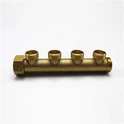
And then there's our Brass Double Valve Body. This is a great option if you need to control the flow and pressure in two different systems or parts of a system. It's designed to be durable and reliable, with a pressure rating that can meet the demands of many industrial and commercial applications.
When you're choosing a brass valve body, it's not just about the pressure rating. You also need to think about the size of the valve, the type of connection (like threaded or flanged), and the material of the internal components. For example, if you're dealing with corrosive fluids, you'll need a valve body with internal components that are resistant to corrosion.


We've done a lot of testing on our valve bodies to make sure they meet or exceed the industry standards. We use advanced testing equipment to simulate different pressure and temperature conditions. This way, we can guarantee that our valve bodies will perform well in real - world situations.
So, if you're in the market for brass valve bodies, don't just go for the cheapest option. Make sure you choose a valve body with the right pressure rating for your application. And if you're not sure which one to choose, that's where we come in. We've got a team of experts who can help you figure out the best valve body for your needs.
Whether you're a DIYer working on a home project or a professional in the industrial or plumbing industry, we've got the brass valve bodies you need. We pride ourselves on offering high - quality products at competitive prices.
If you're interested in our brass valve bodies or have any questions about pressure ratings or any other aspect of our products, feel free to reach out. We're always happy to have a chat and help you make the right choice for your project. So, don't hesitate to contact us for more information and to start the purchasing process. Let's work together to get the right brass valve body for your needs.
References:
- ANSI Standards for Valves
- European PN Pressure Rating Guidelines
- Technical Documentation on Brass Properties and Valve Design