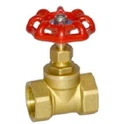
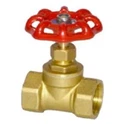
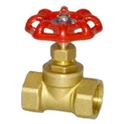
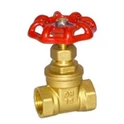
When it comes to industrial valves, brass globe valves are a popular choice due to their durability, reliability, and excellent performance. As a trusted brass globe valve supplier, I am often asked about the materials used to make these essential components. In this blog post, I will delve into the key materials that go into the construction of brass globe valves, shedding light on their properties and why they are crucial for the valve's functionality.
Brass: The Core Material
Brass is the primary material used in the manufacturing of brass globe valves. It is an alloy composed mainly of copper and zinc, with varying proportions of these elements to achieve different properties. The most common brass alloys used for valves are C36000 (also known as free - cutting brass) and C23000 (red brass).
C36000 brass is highly favored for its excellent machinability. This means that it can be easily shaped and formed into the intricate parts of a globe valve, such as the body, bonnet, and stem. It has good corrosion resistance, which is essential as globe valves are often used in systems that carry water, steam, or other fluids. The addition of lead in C36000 brass further enhances its machinability, allowing for precise manufacturing of valve components.
C23000 red brass, on the other hand, contains a higher percentage of copper (around 85 - 88%) compared to C36000. This gives it superior corrosion resistance, especially in applications where the valve is exposed to more aggressive fluids. Red brass is also known for its high thermal conductivity, which can be an advantage in systems dealing with hot fluids.
Stem Materials
The stem of a brass globe valve is a critical component as it is responsible for controlling the movement of the disc within the valve. A common material for the stem is stainless steel. Stainless steel offers several advantages. Firstly, it has high strength, which is necessary to withstand the forces exerted during the opening and closing of the valve. It also has excellent corrosion resistance, preventing the stem from rusting or corroding over time, which could lead to valve malfunction.


Some brass globe valves may also use brass stems, especially in less demanding applications. Brass stems are more cost - effective and can be a good choice when the fluid being handled is not highly corrosive and the operating pressures are relatively low.
Disc Materials
The disc of a brass globe valve is the part that regulates the flow of fluid through the valve. It is typically made of brass or a brass - based alloy. Brass discs are machined to a precise shape to ensure a tight seal against the valve seat when the valve is closed.
In some cases, where a better sealing performance is required, the disc may be coated with a harder material. For example, a layer of stellite can be applied to the disc surface. Stellite is a cobalt - chromium alloy known for its high hardness, wear resistance, and corrosion resistance. This coating can improve the durability of the disc and enhance the valve's sealing capabilities, especially in applications with high - pressure or high - temperature fluids.
Seat Materials
The valve seat is another crucial part of the brass globe valve, as it provides the sealing surface for the disc. The seat is often made of brass or a brass - based alloy. Similar to the disc, the seat is machined to a high level of precision to ensure a proper seal.
In applications where a more robust sealing is needed, the seat may be made of a harder material such as stainless steel or bronze. Stainless steel seats offer excellent corrosion resistance and can withstand higher pressures and temperatures. Bronze seats, on the other hand, have good wear resistance and are suitable for applications where the valve is frequently opened and closed.
Gasket and Packing Materials
Gaskets and packing are used in brass globe valves to prevent leakage. Gaskets are placed between the valve body and the bonnet to create a seal. Common gasket materials include rubber, such as EPDM (ethylene propylene diene monomer) or NBR (nitrile butadiene rubber). These rubber gaskets are flexible and can conform to the surfaces of the valve components, providing an effective seal.
Packing is used around the stem to prevent fluid from leaking out along the stem. Graphite packing is a popular choice as it has good lubricity, which reduces friction between the stem and the packing. It also has high temperature resistance, making it suitable for use in systems with hot fluids. PTFE (polytetrafluoroethylene) packing is another option, known for its excellent chemical resistance and low friction coefficient.
The Importance of Material Selection
The selection of materials for brass globe valves is crucial as it directly impacts the valve's performance, durability, and reliability. Using high - quality materials ensures that the valve can withstand the operating conditions, such as pressure, temperature, and the nature of the fluid being handled.
For example, in a water supply system, a brass globe valve made with C36000 brass for the body and a stainless - steel stem and seat can provide long - term reliable service. The brass body offers good corrosion resistance against water, while the stainless - steel stem and seat ensure a tight seal and prevent wear over time.
On the other hand, in a chemical processing plant where the fluids are highly corrosive, a valve with a C23000 red brass body and a stainless - steel disc and seat coated with stellite would be a more appropriate choice. This combination of materials can withstand the aggressive chemicals and high - pressure conditions.
Our Product Range
As a brass globe valve supplier, we offer a wide range of products to meet different customer needs. Our 200 WOG Globe Valve is designed for general - purpose applications with a working pressure of up to 200 WOG (water, oil, gas). It is made with high - quality brass materials, ensuring durability and reliable performance.
The Round Handwheel Brass Globe Valve 1/2" is a popular choice for small - scale applications. Its compact size and round handwheel make it easy to install and operate. We use the finest brass alloys for its construction, providing a good balance between cost and performance.
Our PPR Brass Globe Valve is specifically designed for use with PPR (polypropylene random) pipes. It combines the advantages of brass and PPR, offering corrosion resistance and a secure connection to PPR piping systems.
Contact Us for Your Valve Needs
If you are in the market for high - quality brass globe valves, look no further. We are committed to providing our customers with the best products at competitive prices. Our team of experts can help you select the right valve for your specific application based on the materials, operating conditions, and performance requirements.
Whether you are working on a small plumbing project or a large - scale industrial installation, we have the expertise and the product range to meet your needs. Contact us today to start a conversation about your brass globe valve requirements and let us help you find the perfect solution.
References
- ASM Handbook, Volume 2: Properties and Selection: Nonferrous Alloys and Special - Purpose Materials.
- Valve Handbook by Arnold J. Buckley.
- Standards and specifications related to brass valves from relevant industry organizations.