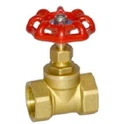
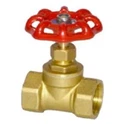
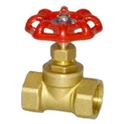
What is the Weight of a Brass Gate Valve?
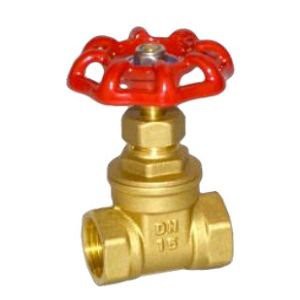
As a supplier of brass gate valves, I often receive inquiries about the weight of these essential components. The weight of a brass gate valve is not a simple figure; it is influenced by multiple factors, including size, design, and material composition. Understanding these factors can help customers make more informed decisions when purchasing brass gate valves.
Factors Affecting the Weight of Brass Gate Valves
-
Size
The size of a brass gate valve is one of the most significant factors determining its weight. Generally, larger valves require more material to manufacture, resulting in a greater weight. For instance, a Brass Gate Valve 1/2" will be significantly lighter than a 2 - inch or 3 - inch brass gate valve. The diameter of the valve's opening, along with its overall length and height, all contribute to the amount of brass used in its construction. As the diameter increases, the wall thickness of the valve may also need to be increased to ensure proper strength and durability, further adding to the weight. -
Design
The design of a brass gate valve can vary widely, and different designs have different weight implications. Some valves may have a simple, streamlined design with minimal additional features, which will result in a relatively lower weight. On the other hand, valves with more complex designs, such as those with extra ports, handles, or integrated features for specific applications, will be heavier. For example, a customized valve with a special locking mechanism or a built - in pressure gauge will weigh more than a standard valve due to the additional components. Our Customized Brass Gate Valve options allow customers to get a valve tailored to their specific needs, but it's important to note that these customizations can affect the weight. -
Material Composition
Brass is an alloy composed mainly of copper and zinc, but the exact composition can vary. Different ratios of copper and zinc, as well as the presence of other elements such as lead, tin, or aluminum, can influence the density of the brass and, consequently, the weight of the valve. High - copper brass alloys tend to be denser and heavier, while those with a higher zinc content may be slightly lighter. Additionally, the quality of the brass used can also impact the weight. Higher - quality brass with fewer impurities is likely to have a more consistent density and may be heavier than lower - quality brass.
Typical Weight Ranges
To give you a better idea of the weight of brass gate valves, here are some typical weight ranges based on common sizes:
- Small - sized valves (1/2" - 1"): These valves usually weigh between 0.5 to 2 pounds. The [Brass Gate Valve 1/2"] is on the lighter end of this range, typically around 0.5 - 1 pound, depending on its design and material.
- Medium - sized valves (1.25" - 2"): Medium - sized brass gate valves can weigh anywhere from 2 to 5 pounds. The weight variation within this range is due to differences in design and material composition as mentioned earlier.
- Large - sized valves (2.5" - 4"): Larger valves are significantly heavier, with weights ranging from 5 to 15 pounds or more. These valves are often used in industrial applications where higher flow rates and greater durability are required.
It's important to note that these are just general ranges, and the actual weight of a specific valve can deviate from these values based on the factors discussed above.
Importance of Knowing the Weight
Understanding the weight of a brass gate valve is crucial for several reasons:
- Installation: The weight of the valve affects the installation process. Heavier valves may require more support and stronger mounting hardware to ensure proper installation and prevent damage. Installers need to be aware of the weight to plan the installation correctly and ensure the safety of the system.
- Shipping and Handling: Shipping costs are often based on weight. Knowing the weight of the valve in advance can help customers estimate shipping expenses accurately. Additionally, handling heavy valves during transportation and storage requires appropriate equipment and precautions to avoid injuries and damage.
- System Design: In some cases, the weight of the valve can impact the overall design of the piping system. For example, in a suspended piping system, the weight of the valves needs to be considered to ensure that the support structure can handle the load.
Comparing with Other Valve Materials
Brass gate valves are not the only option available in the market. Another popular type of gate valve is the PP - R Gate Valve. PP - R (polypropylene random copolymer) is a plastic material, and PP - R gate valves are generally much lighter than brass gate valves. A PP - R gate valve of the same size as a brass gate valve can weigh up to 80% less. However, brass valves offer several advantages over PP - R valves, such as higher durability, better resistance to corrosion in certain environments, and greater strength. The choice between brass and PP - R gate valves often depends on the specific application requirements, including factors like the type of fluid being transported, the operating pressure, and the expected lifespan of the valve.
Conclusion
In conclusion, the weight of a brass gate valve is determined by a combination of size, design, and material composition. As a supplier, we understand the importance of providing accurate weight information to our customers. Whether you need a small, lightweight valve for a residential plumbing project or a large, heavy - duty valve for an industrial application, we can offer a wide range of options to meet your needs.
If you are interested in purchasing brass gate valves or have any questions about their weight, specifications, or applications, please feel free to contact us. We are here to assist you in making the right choice for your project. Our team of experts can provide detailed information and guidance to ensure that you get the best - suited valve for your specific requirements.

References
- "Valve Handbook" by Valve Manufacturers Association
- "Piping and Pipeline Engineering" by George A. Antaki