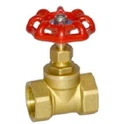
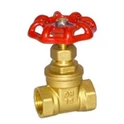
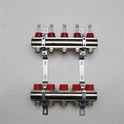
As a supplier of Duplex Valves, I've had the privilege of delving deep into the world of these essential components. One of the most frequently asked questions I encounter is about the surface finish of a duplex valve. In this blog post, I'll explore what the surface finish of a duplex valve is, its importance, and the different types available.
Understanding Surface Finish
Surface finish refers to the texture or quality of the outer layer of a duplex valve. It encompasses various characteristics such as smoothness, roughness, and the presence of any imperfections. The surface finish is not just about aesthetics; it plays a crucial role in the valve's performance, durability, and resistance to corrosion.
Importance of Surface Finish in Duplex Valves
Performance
A smooth surface finish can significantly improve the flow of fluids through the valve. Rough surfaces can cause turbulence, which may lead to pressure drops and reduced efficiency. In applications where precise control of fluid flow is essential, such as in heating systems, a high - quality surface finish can ensure optimal performance.


Durability
The surface finish can protect the valve from wear and tear. A well - finished surface is less likely to be damaged by friction, which can occur when the valve is opened and closed repeatedly. This extends the lifespan of the valve, reducing the need for frequent replacements.
Corrosion Resistance
Duplex valves are often used in environments where they are exposed to corrosive substances. A proper surface finish can act as a barrier, preventing the corrosive agents from reaching the base material of the valve. This is particularly important in industries such as chemical processing and marine applications.
Types of Surface Finishes for Duplex Valves
Polished Finish
A polished finish is one of the most common surface finishes for duplex valves. It provides a smooth and shiny appearance. Polishing not only enhances the aesthetics of the valve but also improves its corrosion resistance. The smooth surface reduces the adhesion of contaminants, making the valve easier to clean. For example, in a cleanroom environment where hygiene is of utmost importance, a polished duplex valve can be an ideal choice.
Electroplated Finish
Electroplating involves depositing a thin layer of metal onto the surface of the valve. Common metals used for electroplating include nickel, chrome, and zinc. Electroplated finishes can provide excellent corrosion resistance, especially in harsh environments. For instance, a zinc - electroplated duplex valve can be used in outdoor applications where it is exposed to moisture and oxygen.
Powder Coated Finish
Powder coating is a process where a dry powder is applied to the surface of the valve and then cured under heat. This creates a durable and protective layer. Powder coated finishes come in a variety of colors, allowing for customization. They are also resistant to scratches and chemicals. In industrial settings where the valve may be exposed to various chemicals, a powder - coated duplex valve can offer long - term protection.
Impact of Surface Finish on Different Applications
Heating Systems
In heating systems, the surface finish of a duplex valve can affect the efficiency of heat transfer. A smooth surface finish allows for better contact between the valve and the surrounding pipes, improving the flow of hot water or steam. For example, a Manual Radiator Valve with a high - quality surface finish can ensure that the radiator heats up evenly and quickly.
Chemical Processing
In chemical processing plants, duplex valves are exposed to a wide range of corrosive chemicals. A surface finish with high corrosion resistance is essential to prevent the valve from failing. Electroplated or powder - coated finishes are often used in these applications to protect the valve from chemical attack.
Marine Applications
Marine environments are extremely corrosive due to the presence of saltwater. Duplex valves used in ships and offshore platforms need a surface finish that can withstand the harsh conditions. A polished or electroplated finish can provide the necessary protection against corrosion and ensure the long - term performance of the valve.
Quality Control of Surface Finish
As a supplier of Duplex Valves, I understand the importance of quality control when it comes to surface finish. We use advanced inspection techniques to ensure that each valve meets the required standards. This includes measuring the surface roughness using profilometers and visually inspecting the valve for any defects.
Factors Affecting Surface Finish Selection
When selecting the surface finish for a duplex valve, several factors need to be considered. These include the operating environment, the type of fluid being handled, and the budget. For example, in a low - budget project where the valve is used in a relatively mild environment, a simple polished finish may be sufficient. However, in a high - end application where the valve is exposed to extreme conditions, a more expensive electroplated or powder - coated finish may be necessary.
Conclusion
The surface finish of a duplex valve is a critical aspect that can significantly impact its performance, durability, and corrosion resistance. By understanding the different types of surface finishes available and their applications, customers can make informed decisions when choosing a duplex valve. As a supplier, I am committed to providing high - quality duplex valves with the appropriate surface finish to meet the diverse needs of our customers.
If you are in the market for a duplex valve and have questions about the surface finish or any other aspect of our products, I encourage you to contact us for a detailed discussion. Our team of experts is ready to assist you in finding the perfect valve for your specific application. Let's work together to ensure the success of your project.
References
- ASME B16.34 - Valves - Flanged, Threaded, and Welding End
- ASTM A967 - Standard Specification for Chemical Passivation Treatments for Stainless Steel Parts
- ISO 9001 - Quality management systems - Requirements