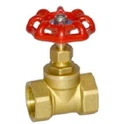
When it comes to the operation of industrial components, understanding the noise levels associated with them is crucial, especially in environments where noise can be a significant concern. As a supplier of brass gate valves, I often receive inquiries about the noise generated during their operation. In this blog post, I will delve into the factors that influence the noise level of a brass gate valve and provide insights into how to manage and minimize it.
Factors Affecting the Noise Level of Brass Gate Valves
Fluid Flow Characteristics
The flow rate and velocity of the fluid passing through the valve play a major role in determining the noise level. High - velocity flows can cause turbulence, which in turn generates noise. When the fluid moves through the valve at a high speed, it can create pressure fluctuations and vibrations. For instance, in a system where the fluid is pumped at a very high rate, the sudden change in flow direction as it passes through the gate valve can lead to the formation of eddies and vortices. These fluid disturbances interact with the valve components, resulting in audible noise.

Valve Design and Construction
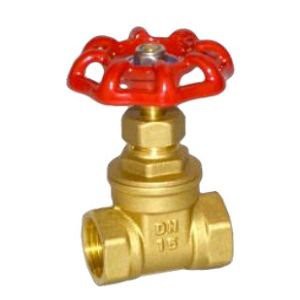
The design of the brass gate valve itself is another critical factor. A well - designed valve with smooth internal surfaces and proper alignment of components will generally produce less noise. Valves with rough or irregular surfaces can cause the fluid to flow in a more chaotic manner, increasing the noise level. Additionally, the type of gate mechanism can also impact noise. For example, a wedge - shaped gate valve may have different noise characteristics compared to a parallel - slide gate valve. The material of the valve also matters; brass, being a relatively dense and ductile material, can dampen some of the vibrations that contribute to noise. However, if the valve is not properly manufactured or has defects, such as loose parts or misaligned seats, it can generate more noise during operation.
System Pressure
The pressure within the fluid system affects the noise level of the brass gate valve. High - pressure systems can cause the fluid to forcefully impact the valve components, leading to increased noise. When the pressure is too high, it can also cause the valve to vibrate more vigorously. For example, in a steam system with high - pressure steam flowing through the valve, the expansion and contraction of the steam as it passes through the valve can create significant noise. Moreover, sudden pressure changes, such as those caused by valve opening or closing, can generate shock waves in the fluid, which are often accompanied by loud noises.
Measuring the Noise Level of Brass Gate Valves
To accurately measure the noise level of a brass gate valve, specialized equipment is required. Sound level meters are commonly used to quantify the noise. These meters measure the sound pressure level in decibels (dB). When measuring the noise of a valve, it is important to take into account the background noise in the environment. The measurement should be taken at a specific distance from the valve, usually at a point where the operator is likely to be located or where the noise has the most impact.
In a typical industrial setting, the noise level of a brass gate valve can range from around 50 dB to 80 dB, depending on the factors mentioned above. A valve operating under normal conditions with low - flow rates and moderate pressure may produce noise in the lower end of this range, while a valve in a high - pressure, high - flow system can reach the upper end or even exceed it.
Minimizing the Noise Level of Brass Gate Valves
Proper Valve Selection
Selecting the right valve for the specific application is essential. Consider the flow rate, pressure, and fluid characteristics of the system. For example, if the system has a high - flow rate, a larger - sized valve may be more appropriate to reduce the fluid velocity and thus the noise. Additionally, choosing a valve with a design that is optimized for low - noise operation can make a significant difference. You can explore our Customized Brass Gate Valve options, which can be tailored to meet the specific requirements of your system and help minimize noise.
Installation and Maintenance
Proper installation of the brass gate valve is crucial for reducing noise. Ensure that the valve is correctly aligned and firmly mounted. Loose or misaligned valves can vibrate more and generate more noise. Regular maintenance is also important. Check for any signs of wear and tear, such as damaged seats or loose parts, and replace them as needed. Lubricating the valve components can also help reduce friction and noise.
System Design
Optimizing the overall system design can help minimize the noise generated by the valve. For example, using expansion joints or dampeners in the piping system can absorb some of the vibrations and reduce the noise transmitted through the pipes. Additionally, proper sizing of the pipes and the use of flow - control devices can help regulate the fluid flow and reduce turbulence.
Comparing Brass Gate Valves with Other Types of Valves
When considering noise levels, it is interesting to compare brass gate valves with other types of valves. For instance, PP - R Gate Valve is made of a different material. PP - R is a plastic material, which may have different noise - dampening properties compared to brass. Generally, brass gate valves are more likely to have better noise - reduction capabilities due to the density and ductility of brass.
Another common type of valve is the ball valve. Ball valves often have a simpler design and may produce less noise in some applications, especially when they are fully open or closed. However, in applications where the valve needs to be partially open for flow control, ball valves can generate more noise due to the way the fluid flows around the ball.
Case Studies
Let's take a look at a real - world example. A manufacturing plant was experiencing high noise levels in their fluid system, which was mainly due to the operation of their gate valves. After a detailed analysis, it was found that the valves were not properly sized for the high - flow rate of the system. The plant replaced the existing valves with Brass Gate Valve 1/2" valves that were more appropriate for the flow conditions. As a result, the noise level in the area around the valves decreased significantly, improving the working environment for the employees.
Conclusion
In conclusion, the noise level of a brass gate valve is influenced by various factors, including fluid flow characteristics, valve design, and system pressure. By understanding these factors, we can take appropriate measures to measure, manage, and minimize the noise generated by these valves. Whether you are looking for a standard brass gate valve or a customized solution, we are here to provide you with high - quality products that meet your needs.
If you are interested in purchasing brass gate valves or have any questions regarding noise reduction in your fluid systems, feel free to contact us for a detailed discussion and to start the procurement process. Our team of experts is ready to assist you in finding the best valve solutions for your specific applications.
References
- "Valve Handbook" by Butterworth - Heinemann
- "Fluid Mechanics" by Frank M. White
- Industry research reports on valve performance and noise reduction