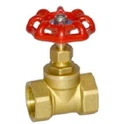
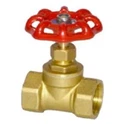
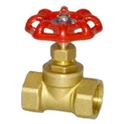
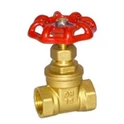
As a supplier of brass globe valves, one of the most frequently asked questions I encounter is about the leakage rate of these valves. Understanding the leakage rate is crucial for both the performance of the valve and the overall efficiency of the system it's installed in. In this blog, I will delve into what the leakage rate of a brass globe valve is, the factors that influence it, and how we ensure our valves meet the highest standards.
What is the Leakage Rate?
The leakage rate of a brass globe valve refers to the quantity of fluid that escapes past the valve's closure mechanism when it is in the closed position. It is typically measured in units such as cubic centimeters per minute (cc/min) or standard cubic feet per hour (SCFH). A low leakage rate indicates a well - functioning valve that effectively stops the flow of fluid, while a high leakage rate can lead to inefficiencies, wasted resources, and potentially dangerous situations in some applications.


There are different grades of leakage rates defined by international standards. For example, the American National Standards Institute (ANSI) and the International Organization for Standardization (ISO) have established classifications for valve leakage. These standards take into account the type of valve, the application, and the acceptable amount of leakage. In general, the lower the class number in these standards, the lower the allowable leakage rate.
Factors Affecting the Leakage Rate
Several factors can influence the leakage rate of a brass globe valve.
Sealing Surface Quality
The quality of the sealing surfaces between the valve disc and the seat is of utmost importance. If the surfaces are not properly machined, have scratches, or are damaged during installation or operation, it can lead to increased leakage. Our manufacturing process for PPR Brass Globe Valve involves precision machining to ensure smooth and flat sealing surfaces. We also use advanced inspection techniques to detect any surface imperfections before the valves are shipped.
Material Compatibility
The materials used for the valve disc and seat must be compatible with the fluid being handled. Different fluids have different chemical properties, and if the materials are not resistant to the fluid, corrosion or erosion can occur. This can damage the sealing surfaces over time and increase the leakage rate. We carefully select the brass alloys for our valves to ensure they are suitable for a wide range of applications, including those involving water, oil, and gas.
Operating Conditions
The pressure, temperature, and flow rate of the fluid in the system can also affect the leakage rate. High - pressure applications require valves with better sealing capabilities. At elevated temperatures, the materials may expand or contract, which can impact the seal between the disc and the seat. Our United Brass Globe Valve is designed to withstand a wide range of operating conditions, and we provide detailed specifications to help customers select the right valve for their specific needs.
Installation and Maintenance
Proper installation is crucial for minimizing the leakage rate. If the valve is not installed correctly, it can cause misalignment between the disc and the seat, leading to increased leakage. Additionally, regular maintenance, such as lubrication and inspection of the sealing surfaces, can help keep the leakage rate within acceptable limits. We offer installation guides and maintenance tips to our customers to ensure the long - term performance of our valves.
How We Ensure Low Leakage Rates
At our company, we have a comprehensive quality control system in place to ensure that our brass globe valves have low leakage rates.
Manufacturing Process
We use state - of - the - art manufacturing equipment and techniques to produce our valves. From the initial casting of the brass components to the final assembly, every step is carefully monitored. Our manufacturing facilities are equipped with precision machining centers that can produce components with high accuracy. This ensures that the sealing surfaces have the correct dimensions and finish, which is essential for a low leakage rate.
Testing
Before our valves are shipped, they undergo rigorous testing. We use both hydrostatic and pneumatic testing methods to check for leakage. In hydrostatic testing, the valve is filled with water and subjected to a specified pressure for a certain period of time. Any leakage is detected by monitoring the pressure drop. Pneumatic testing uses compressed air to perform a similar check. Our Round Handwheel Brass Globe Valve 1/2" is tested to ensure it meets or exceeds the industry standards for leakage.
Quality Assurance
We have a team of experienced quality control engineers who oversee the entire production process. They conduct regular inspections at various stages of manufacturing to ensure that all components meet the required specifications. We also maintain detailed records of each valve's production and testing results, which allows us to trace the history of every valve we produce.
Importance of Low Leakage Rates
Low leakage rates are essential for several reasons. In industrial applications, a high leakage rate can lead to significant losses of valuable fluids, such as oil or gas. This not only results in financial losses but also has environmental implications. In addition, in systems where precise control of fluid flow is required, such as in chemical processing plants or water treatment facilities, a high leakage rate can affect the accuracy of the process and lead to product quality issues.
In residential applications, a leaking valve can waste water, increase utility bills, and cause damage to the plumbing system over time. By providing brass globe valves with low leakage rates, we help our customers save money, protect the environment, and ensure the reliable operation of their systems.
Contact Us for Your Brass Globe Valve Needs
If you are in the market for high - quality brass globe valves with low leakage rates, we invite you to contact us. Our team of experts can help you select the right valve for your specific application, provide detailed technical information, and offer competitive pricing. Whether you need a single valve for a small project or a large quantity for an industrial installation, we have the capacity to meet your needs.
References
- ANSI/ISA - 75.08.01 - 2015, “Control Valve Capacity Test Procedures”
- ISO 5208:2015, “Industrial valves - Pressure testing of valves”