Hey there! As a heating valve supplier, I've seen firsthand how these little components can have a huge impact on the overall efficiency of a heating system. In this blog post, I'm going to break down exactly what a heating valve does and how it can make your heating system work better.
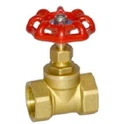
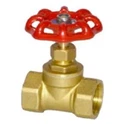
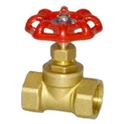
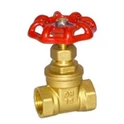
Let's start with the basics. A heating valve is a device that controls the flow of hot water or steam in a heating system. It's like a traffic cop for your heating pipes, directing the flow of heat where it's needed most. There are different types of heating valves, each with its own unique function. For example, the Manual Radiator Valve allows you to manually adjust the heat output of individual radiators. This is great if you want more control over the temperature in different rooms of your home or office.
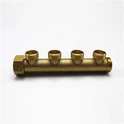
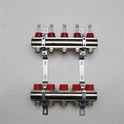
On the other hand, the Duplex Valve is designed to handle more complex heating systems. It can regulate the flow of two different fluids or control the flow in two different circuits. This makes it ideal for larger buildings or systems that require more precise temperature control.
Now, let's talk about how these valves impact the efficiency of a heating system. One of the main ways is by reducing energy waste. In a typical heating system, without proper valve control, hot water or steam can flow through the pipes even when it's not needed. This is like leaving a faucet running when you're not using it - it's a waste of energy and money.
When you install a heating valve, you can stop this unnecessary flow. For example, if you have a room that you don't use very often, you can use a manual radiator valve to turn down the heat in that room. This means less energy is being used to heat an empty space, and your overall energy consumption goes down.
Another way heating valves improve efficiency is by ensuring even heat distribution. In a large building, different areas may have different heating requirements. Without valves, some rooms may be too hot while others are too cold. Heating valves can adjust the flow of heat to each area, making sure that every room is at a comfortable temperature. This not only improves the comfort of the occupants but also reduces the need to over - heat some areas to compensate for others.
Let's take a look at some real - world examples. In a multi - story office building, if the heating system doesn't have proper valve control, the upper floors may get much hotter than the lower floors due to the natural convection of hot air. By installing duplex valves in the system, the flow of hot water to each floor can be adjusted. This ensures that all floors are at a consistent temperature, and the building's heating system doesn't have to work overtime to heat the upper floors.
Heating valves also play a role in the longevity of a heating system. When a system is over - worked because of inefficient heat distribution or constant unnecessary flow, it can lead to premature wear and tear on the components. By using heating valves to optimize the system's operation, the stress on the pumps, boilers, and other parts is reduced. This means that the system will last longer, and you'll save money on maintenance and replacement costs in the long run.
But how do you choose the right heating valve for your system? First, you need to consider the size and complexity of your heating system. If you have a small home with a simple radiator system, a manual radiator valve may be all you need. However, if you have a large commercial building with multiple heating zones, a more advanced valve like a duplex valve may be required.
You also need to think about the level of control you want. Some people prefer the simplicity of a manual valve, where they can physically adjust the heat output. Others may want a more automated solution, such as a thermostatic valve that can adjust the heat based on the temperature in the room.
In addition to these factors, it's important to choose high - quality valves. Cheaper valves may not last as long or provide the same level of performance. As a heating valve supplier, I always recommend investing in good - quality valves from a reputable manufacturer.
So, if you're looking to improve the efficiency of your heating system, don't overlook the importance of heating valves. They may seem like small components, but they can make a big difference in how well your system works. Whether you're a homeowner looking to save on energy bills or a building manager trying to optimize a large - scale heating system, the right heating valve can be a game - changer.
If you're interested in learning more about our heating valves or want to discuss which valve is right for your needs, I'd love to hear from you. Just reach out to us, and we can start a conversation about how we can help you improve your heating system's efficiency.


In conclusion, heating valves are a crucial part of any efficient heating system. They reduce energy waste, ensure even heat distribution, and extend the life of the system. By choosing the right valve for your needs, you can enjoy a more comfortable and cost - effective heating experience.
References
- "Heating System Design Handbook" by ASHRAE
- "Energy - Efficient Building Design" by various authors in the field of building science