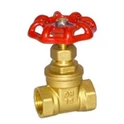
When it comes to industrial valves, the duplex valve stands out as a crucial component in many systems. As a reputable Duplex Valve supplier, I've had numerous inquiries about the hardness of duplex valve materials. In this blog post, I'll delve into the concept of hardness in duplex valve materials, its significance, and how it impacts the performance of these valves.


Understanding Hardness in Materials
Hardness is a fundamental property of materials that measures their resistance to permanent deformation, such as scratching, indentation, or abrasion. In the context of duplex valves, hardness plays a vital role in determining the valve's durability, wear resistance, and overall performance in various operating conditions.
There are several methods to measure hardness, with the most common ones being the Brinell, Rockwell, and Vickers hardness tests. Each test has its own scale and is suitable for different types of materials and applications. For duplex valve materials, the choice of hardness test depends on factors such as the material's composition, thickness, and the specific requirements of the application.
Duplex Valve Materials and Their Hardness
Duplex valves are typically made from duplex stainless steel, which is a type of stainless steel that combines the properties of austenitic and ferritic stainless steels. This unique combination results in a material that offers excellent corrosion resistance, high strength, and good weldability.
The hardness of duplex stainless steel can vary depending on its composition, heat treatment, and manufacturing process. Generally, duplex stainless steel has a higher hardness compared to austenitic stainless steel, which makes it more suitable for applications where wear resistance and mechanical strength are critical.
The most common grades of duplex stainless steel used in duplex valves are UNS S31803 and UNS S32205. These grades have a hardness range of approximately 220 - 300 HB (Brinell hardness). The higher hardness of duplex stainless steel provides several advantages, including:
- Wear Resistance: Duplex valves are often used in applications where they are exposed to abrasive media, such as slurries or fluids containing solid particles. The high hardness of duplex stainless steel helps to resist wear and erosion, ensuring a longer service life for the valve.
- Mechanical Strength: Duplex valves are designed to withstand high pressures and temperatures. The high hardness of duplex stainless steel provides the necessary mechanical strength to handle these demanding conditions without deformation or failure.
- Corrosion Resistance: In addition to its high hardness, duplex stainless steel also offers excellent corrosion resistance. This makes duplex valves suitable for use in corrosive environments, such as chemical processing plants, offshore oil and gas platforms, and water treatment facilities.
Impact of Hardness on Duplex Valve Performance
The hardness of duplex valve materials has a significant impact on the valve's performance in various aspects. Here are some key areas where hardness plays a crucial role:
- Sealing Performance: The hardness of the valve seat and disc materials affects the sealing performance of the valve. A harder material can provide a better seal, reducing the risk of leakage and ensuring the efficient operation of the valve.
- Flow Control: The hardness of the valve body and internal components can influence the flow characteristics of the valve. A harder material can resist deformation and erosion, maintaining the valve's flow control accuracy over time.
- Maintenance and Repair: The hardness of the valve materials also affects the ease of maintenance and repair. A harder material may require specialized tools and techniques for machining and welding, but it can also provide a longer service life, reducing the frequency of maintenance and repair.
Factors Affecting the Hardness of Duplex Valve Materials
Several factors can affect the hardness of duplex valve materials, including:
- Composition: The chemical composition of duplex stainless steel, including the content of elements such as chromium, nickel, molybdenum, and nitrogen, can significantly influence its hardness. For example, increasing the nitrogen content can enhance the hardness and strength of duplex stainless steel.
- Heat Treatment: Heat treatment is a critical process in the manufacturing of duplex valves. Proper heat treatment can optimize the microstructure of the material, improving its hardness, strength, and corrosion resistance. Different heat treatment processes, such as annealing, quenching, and tempering, can be used to achieve the desired hardness properties.
- Manufacturing Process: The manufacturing process, including forging, casting, and machining, can also affect the hardness of duplex valve materials. Forging and casting can introduce residual stresses in the material, which can impact its hardness. Machining operations, such as cutting and grinding, can also affect the surface hardness of the valve components.
Importance of Selecting the Right Hardness for Duplex Valves
Selecting the right hardness for duplex valves is crucial to ensure optimal performance and reliability. Here are some considerations when choosing the hardness of duplex valve materials:
- Application Requirements: The specific application requirements, such as the type of fluid, pressure, temperature, and flow rate, should be taken into account when selecting the hardness of the valve materials. For example, in applications where the valve is exposed to high pressures and abrasive media, a higher hardness material may be required.
- Corrosion Resistance: In addition to hardness, corrosion resistance is also an important factor to consider. The hardness of the valve materials should be balanced with its corrosion resistance properties to ensure long-term performance in corrosive environments.
- Cost-Effectiveness: The cost of the valve materials is another important consideration. Higher hardness materials may be more expensive, but they can also provide longer service life and reduced maintenance costs. Therefore, it's important to find a balance between cost and performance when selecting the hardness of duplex valve materials.
Conclusion
In conclusion, the hardness of duplex valve materials is a critical property that affects the valve's durability, wear resistance, and overall performance. As a Duplex Valve supplier, I understand the importance of selecting the right hardness for each application. By considering factors such as application requirements, corrosion resistance, and cost-effectiveness, we can provide our customers with high-quality duplex valves that meet their specific needs.
If you're in the market for Duplex Valve or Manual Radiator Valve, I encourage you to contact us to discuss your requirements. Our team of experts can help you select the right valve materials and hardness properties to ensure optimal performance and reliability.
References
- ASM Handbook, Volume 1: Properties and Selection: Irons, Steels, and High-Performance Alloys
- Duplex Stainless Steels: A Practical Guide, by M. G. Hetherington
- Valve Handbook, by E. F. Obert and R. C. McPherson