Hey there! As a supplier of water pipe fittings, I often get asked about the difference between threaded and compression water pipe fittings. It's a crucial question, especially for those in the plumbing and construction industries. So, let's dive right in and break down these two types of fittings.
Threaded Water Pipe Fittings
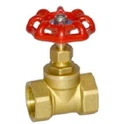
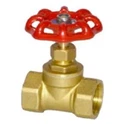
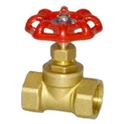
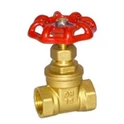
Threaded water pipe fittings have been around for ages. They're like the old - school reliable workhorses of the plumbing world. These fittings have threads on the ends, which can be male (external threads) or female (internal threads). When you want to connect two pipes or a pipe to a fixture, you simply screw them together.
One of the biggest advantages of threaded fittings is their strength. Once they're tightened properly, they create a very secure connection. This makes them great for high - pressure applications. For example, in industrial settings where water is flowing at high speeds and under a lot of pressure, threaded fittings can hold up without leaking.
Another plus is their ease of installation. You don't need a lot of special tools. A simple pipe wrench is usually all you need to tighten the fittings. And if you ever need to disassemble the connection, it's relatively straightforward. You just unscrew the fittings.
However, threaded fittings do have their downsides. They're not the best for situations where you need to make quick connections. The threading process can be time - consuming, especially if you're dealing with large - diameter pipes. Also, getting a perfect seal can be tricky. If the threads aren't cut properly or if you don't use enough thread sealant, there's a risk of leaks.


If you're interested in stainless steel options for threaded fittings, check out our Stainless Steel Water Pipe Fittings. Stainless steel threaded fittings offer great corrosion resistance, which is essential in many plumbing applications.
Compression Water Pipe Fittings
Compression water pipe fittings, on the other hand, are a bit more modern. They work by using a compression ring (also called a ferrule) and a nut. You insert the pipe into the fitting, place the ferrule over the pipe, and then tighten the nut. As you tighten the nut, the ferrule gets compressed against the pipe and the fitting body, creating a seal.
One of the main benefits of compression fittings is their flexibility. They can be used with a variety of pipe materials, including copper, plastic, and even some types of metal. This makes them a versatile choice for different plumbing projects.
Installation of compression fittings is also relatively easy. You don't need to worry about cutting threads, which saves a lot of time. And if you make a mistake or need to re - position the fitting, it's easy to disassemble and try again.
Compression fittings are also great for areas where you might need to make adjustments in the future. For example, in a home plumbing system, if you need to add a new fixture or make a small repair, compression fittings can be quickly installed or removed.
But compression fittings aren't without their drawbacks. They're not as strong as threaded fittings in high - pressure situations. Over time, the compression ring can wear out, especially if there's a lot of vibration in the pipes. This can lead to leaks. Also, if the pipe isn't cut cleanly or if the ferrule isn't seated properly, the seal won't be as effective.
If you're looking for copper compression fittings, we have a great selection of Copper Water Pipe Fitting. Copper is a popular choice for plumbing because of its durability and corrosion resistance.
Comparing the Two
When it comes to choosing between threaded and compression water pipe fittings, there are a few factors to consider.
Pressure Requirements: As mentioned earlier, threaded fittings are better for high - pressure applications. If you're working on a commercial or industrial project where water pressure is high, threaded fittings are the way to go. Compression fittings are more suitable for low - to medium - pressure applications, like residential plumbing.
Pipe Material: Threaded fittings are commonly used with metal pipes, especially steel and iron. Compression fittings, on the other hand, can be used with a wider range of materials, including copper and plastic.
Installation Time: If you're on a tight schedule, compression fittings are faster to install. Threaded fittings require more time for threading and sealing.
Long - Term Durability: Threaded fittings generally have a longer lifespan in high - stress situations. Compression fittings may need to be replaced more often, especially if they're in a high - vibration environment.
Making the Right Choice
So, how do you decide which type of fitting is right for your project? First, assess the pressure requirements. If you're dealing with high pressure, go for threaded fittings. If it's a low - pressure job, compression fittings might be a better option.
Next, consider the pipe material. If you're using copper or plastic pipes, compression fittings are usually a good choice. For metal pipes, both threaded and compression fittings can work, but threaded fittings may be more appropriate for larger - diameter metal pipes.
Also, think about the installation process. If you're short on time or don't have a lot of experience with threading pipes, compression fittings are easier to work with.
As a water pipe fittings supplier, I've seen firsthand how important it is to choose the right fitting for the job. Whether you're a professional plumber or a DIY enthusiast, making the right choice can save you time, money, and headaches in the long run.
Conclusion
In conclusion, threaded and compression water pipe fittings each have their own unique advantages and disadvantages. Threaded fittings are strong and reliable for high - pressure applications, but they can be time - consuming to install. Compression fittings are versatile, easy to install, and great for low - to medium - pressure jobs, but they may not be as durable in high - stress situations.
If you're still not sure which type of fitting is right for your project, don't hesitate to reach out. We're here to help you make the best decision. Whether you need Stainless Steel Water Pipe Fittings or Copper Water Pipe Fitting, we've got you covered. Contact us to discuss your requirements and start the procurement process.
References
- "Plumbing Handbook" - A comprehensive guide on plumbing systems and fittings.
- "The Complete Guide to Water Pipe Fittings" - A publication that details different types of water pipe fittings and their applications.