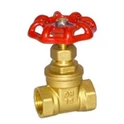
When it comes to water pipe fittings, two popular materials stand out: copper and PVC. As a seasoned supplier of water pipe fittings, I've seen firsthand the advantages and disadvantages of each. In this blog post, I'll delve into the differences between copper and PVC water pipe fittings to help you make an informed decision for your plumbing needs.
Material Composition and Properties
Copper is a naturally occurring metal known for its excellent thermal and electrical conductivity. It's highly resistant to corrosion, making it a durable choice for water pipes. Copper pipes can withstand high temperatures and pressures, making them suitable for both hot and cold water applications. Additionally, copper has antimicrobial properties, which can help prevent the growth of bacteria and other microorganisms in the water supply.
On the other hand, PVC (polyvinyl chloride) is a synthetic plastic material made from vinyl chloride monomers. It's lightweight, flexible, and easy to install, making it a popular choice for DIY plumbing projects. PVC pipes are resistant to corrosion and chemical damage, and they have a smooth interior surface that reduces friction and improves water flow. However, PVC is not as heat-resistant as copper and can become brittle over time, especially when exposed to sunlight or extreme temperatures.


Installation and Maintenance
One of the main advantages of PVC water pipe fittings is their ease of installation. PVC pipes can be cut to size using a simple saw and joined together using solvent cement, which creates a strong, permanent bond. This makes PVC a popular choice for DIYers and professional plumbers alike. Additionally, PVC pipes are lightweight and easy to handle, which can reduce installation time and labor costs.
Copper water pipe fittings, on the other hand, require more specialized tools and skills to install. Copper pipes must be soldered together using a torch and solder, which requires some training and practice to do correctly. Additionally, copper pipes are heavier and more rigid than PVC pipes, which can make them more difficult to handle and install in tight spaces. However, once installed, copper pipes are highly durable and require little maintenance.
Cost
Another important factor to consider when choosing between copper and PVC water pipe fittings is cost. PVC pipes are generally less expensive than copper pipes, both in terms of material cost and installation cost. This makes PVC a popular choice for budget-conscious homeowners and contractors. However, it's important to note that the long-term cost of PVC pipes may be higher than copper pipes, as PVC pipes may need to be replaced more frequently due to their lower durability.
Copper pipes, on the other hand, are more expensive than PVC pipes, both in terms of material cost and installation cost. However, copper pipes are highly durable and can last for decades, which can offset the higher initial cost. Additionally, copper pipes are often considered a more premium option, which can increase the value of a property.
Environmental Impact
In recent years, there has been increasing concern about the environmental impact of plumbing materials. PVC is a synthetic plastic material that is made from non-renewable resources and can take hundreds of years to decompose in landfills. Additionally, the production of PVC involves the use of toxic chemicals, which can have negative health and environmental impacts.
Copper, on the other hand, is a naturally occurring metal that is highly recyclable. Copper pipes can be recycled at the end of their lifespan, which reduces the demand for new copper mining and helps to conserve natural resources. Additionally, copper has a lower carbon footprint than PVC, as the production of copper pipes requires less energy and generates fewer greenhouse gas emissions.
Applications
Both copper and PVC water pipe fittings have a wide range of applications in residential and commercial plumbing systems. Copper pipes are commonly used for hot and cold water supply lines, as well as for heating systems. Copper pipes are also used in commercial applications, such as hospitals, schools, and restaurants, where durability and hygiene are important.
PVC pipes are commonly used for drainage and venting systems, as well as for cold water supply lines in residential and commercial buildings. PVC pipes are also used in irrigation systems and for underground plumbing applications, where their resistance to corrosion and chemical damage is an advantage.
Conclusion
In conclusion, the choice between copper and PVC water pipe fittings depends on a variety of factors, including material properties, installation and maintenance requirements, cost, environmental impact, and application. As a supplier of water pipe fittings, I recommend considering your specific needs and budget when choosing between copper and PVC. If you're looking for a durable, long-lasting option that can withstand high temperatures and pressures, copper may be the right choice for you. If you're looking for a lightweight, easy-to-install option that is cost-effective and suitable for DIY projects, PVC may be the better choice.
If you have any questions or need help choosing the right water pipe fittings for your project, please don't hesitate to [contact us]. We're here to help you find the best solution for your plumbing needs.
References
- "Copper vs. PVC Pipes: Which is Right for Your Home?" HomeAdvisor.
- "PVC Pipe vs. Copper Pipe: What's the Difference?" The Spruce.
- "The Advantages and Disadvantages of Copper and PVC Pipes." PlumbingSupply.com.