In the world of fluid control systems, valves play a crucial role in regulating the flow, pressure, and direction of liquids and gases. There are numerous types of valves available on the market, each designed with specific features and applications in mind. As a supplier of Ball Union Valves, I often encounter questions about how these valves differ from other types. In this blog post, I'll explore the unique characteristics of Ball Union Valves and contrast them with some common valve types.
Ball Union Valves: An Overview
Ball Union Valves are a type of quarter - turn valve that uses a ball with a hole in the middle to control the flow of fluid. The ball rotates within the valve body, and when the hole in the ball aligns with the flow path, the valve is open, allowing fluid to pass through. When the ball is rotated 90 degrees, the solid part of the ball blocks the flow path, closing the valve.
One of the key features of Ball Union Valves is their union design. The union allows for easy installation, removal, and maintenance of the valve. It consists of two halves that can be connected or disconnected without disturbing the entire piping system. This is particularly useful in applications where frequent maintenance or replacement is required. You can learn more about our Ball Union Valves here.
Comparison with Gate Valves
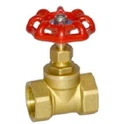
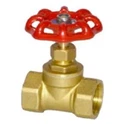
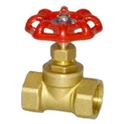
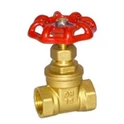
Gate valves are one of the most commonly used types of valves in industrial applications. They operate by raising or lowering a gate (a flat or wedge - shaped disc) to control the flow of fluid. When the gate is fully raised, the valve is open, and when it is fully lowered, the valve is closed.
- Flow Control: Ball Union Valves provide a more precise and quick - acting flow control compared to gate valves. Since they are quarter - turn valves, they can be opened or closed rapidly, which is beneficial in applications where a sudden stop or start of flow is required. In contrast, gate valves require multiple turns of the handwheel to open or close, which can be time - consuming.
- Sealing Performance: Ball Union Valves generally offer better sealing performance. The ball in the valve provides a tight seal against the valve seats, minimizing leakage. Gate valves, on the other hand, may experience some leakage over time, especially if the gate is not properly aligned or if the valve seats are worn.
- Maintenance: As mentioned earlier, the union design of Ball Union Valves makes them easier to maintain. In a gate valve, if there is a problem with the gate or the valve seats, the entire valve may need to be removed from the piping system for repair or replacement.
Comparison with Globe Valves
Globe valves are designed with a spherical body and a movable disk that controls the flow of fluid. The disk moves perpendicular to the flow path, and the valve is opened or closed by adjusting the position of the disk.
- Flow Characteristics: Ball Union Valves have a straight - through flow path when open, which results in lower pressure drop compared to globe valves. Globe valves have a more complex flow path, which causes a higher pressure drop, especially when the valve is partially open. This means that more energy is required to pump the fluid through a globe valve.
- Flow Regulation: While both valves can be used for flow regulation, Ball Union Valves are better suited for on - off applications. Globe valves are more commonly used for throttling applications, where precise control of the flow rate is required. However, the ball design of Ball Union Valves can also provide a certain degree of flow regulation, especially in some of our Multi - Function Filter Ball Valve models.
- Size and Weight: Ball Union Valves are often more compact and lighter than globe valves of the same size. This can be an advantage in applications where space and weight are limited.
Comparison with Check Valves
Check valves are designed to allow fluid to flow in one direction only. They operate automatically, opening when the fluid flows in the forward direction and closing when the fluid tries to flow in the reverse direction.
- Functionality: The primary function of Ball Union Valves is to control the flow of fluid, while check valves are mainly used to prevent backflow. However, some Ball Union Valves can be equipped with additional features to prevent backflow, providing a more comprehensive fluid control solution.
- Operation: Ball Union Valves require manual or automated operation to open or close, while check valves operate passively based on the pressure difference across the valve. This means that Ball Union Valves offer more flexibility in terms of controlling the flow, while check valves are more suitable for applications where automatic prevention of backflow is needed.
Comparison with Butterfly Valves
Butterfly valves are quarter - turn valves similar to Ball Union Valves. They use a disk that rotates around a central axis to control the flow of fluid.


- Sealing Performance: Ball Union Valves typically have better sealing performance than butterfly valves, especially in high - pressure applications. The ball in the Ball Union Valve provides a more positive seal against the valve seats, while butterfly valves may experience some leakage, especially at higher pressures.
- Flow Control Range: Ball Union Valves can provide a wider range of flow control. They can be fully open or fully closed, and in some cases, they can also be used for partial flow regulation. Butterfly valves are more commonly used for on - off applications or for throttling in low - pressure and large - diameter applications.
- Material Compatibility: Ball Union Valves are available in a variety of materials, including brass, stainless steel, and PVC, which makes them suitable for a wide range of fluids and applications. Butterfly valves are often made of materials such as cast iron or stainless steel, and their material compatibility may be more limited.
Applications of Ball Union Valves
Ball Union Valves are widely used in various industries due to their unique features. Some common applications include:
- Plumbing Systems: In residential and commercial plumbing systems, Ball Union Valves are used to control the flow of water. Their easy installation and maintenance make them a popular choice for shut - off valves in faucets, toilets, and other plumbing fixtures.
- Fire Protection Systems: Our Fire Reel Ball Valve is specifically designed for fire protection systems. It can quickly open or close the flow of water in fire hoses, ensuring a reliable water supply in case of a fire.
- Industrial Processes: In industrial settings, Ball Union Valves are used in chemical processing, oil and gas, and food and beverage industries. They can handle a wide range of fluids, including corrosive chemicals, oils, and gases.
Conclusion
In summary, Ball Union Valves offer several advantages over other types of valves, including quick - acting flow control, good sealing performance, easy maintenance, and a wide range of material options. While other valve types have their own unique features and applications, Ball Union Valves are a versatile choice for many fluid control systems.
If you are in the market for high - quality Ball Union Valves or need more information about our products, please feel free to reach out to us. We are committed to providing the best solutions for your fluid control needs and look forward to discussing your requirements and starting a procurement negotiation with you.
References
- "Valve Handbook: Principles and Applications" by Milton Beychok
- "Fluid Mechanics and Thermodynamics of Turbomachinery" by S. L. Dixon
- Industry standards and guidelines related to valve design and application, such as ASME and API standards.