In the realm of fluid control systems, gas valves and solenoid valves are two critical components that serve distinct purposes. As a gas valve supplier, I have witnessed firsthand the diverse applications and unique characteristics of these valves. In this blog post, I will delve into the differences between gas valves and solenoid valves, exploring their functions, structures, and applications.
Functions
The primary function of a gas valve is to control the flow of gas in a system. Gas valves are commonly used in gas pipelines, heating systems, and industrial processes where the regulation of gas flow is essential. They can be manually operated or automated, depending on the specific requirements of the application. Gas valves are designed to ensure the safe and efficient delivery of gas, preventing leaks and maintaining proper pressure levels.
On the other hand, a solenoid valve is an electromechanical device that uses an electromagnetic field to control the flow of fluid or gas. Solenoid valves are widely used in various industries, including automotive, aerospace, and manufacturing. They are typically used to control the flow of liquids, such as water, oil, and chemicals, but can also be used for gas applications. Solenoid valves are known for their fast response times and precise control, making them ideal for applications where rapid on/off switching is required.
Structures
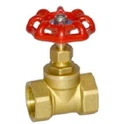
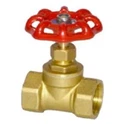
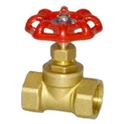
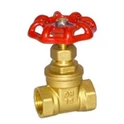
Gas valves come in a variety of designs and configurations, depending on the type of gas and the application. Some common types of gas valves include ball valves, gate valves, globe valves, and butterfly valves. These valves are typically made of materials such as brass, stainless steel, or cast iron, which are resistant to corrosion and can withstand high pressures. Gas valves may also include additional features such as pressure regulators, safety shut-off devices, and flow meters to ensure the safe and efficient operation of the system.
Solenoid valves, on the other hand, consist of a solenoid coil, a plunger, and a valve body. When an electrical current is applied to the solenoid coil, it creates an electromagnetic field that attracts the plunger, causing it to move and open or close the valve. Solenoid valves can be normally open (NO) or normally closed (NC), depending on the design. In a normally open solenoid valve, the valve is open when there is no electrical current applied, and closes when the current is applied. In a normally closed solenoid valve, the valve is closed when there is no current, and opens when the current is applied.


Applications
Gas valves are commonly used in a wide range of applications, including residential, commercial, and industrial settings. In residential applications, gas valves are used in gas stoves, water heaters, and furnaces to control the flow of natural gas or propane. In commercial applications, gas valves are used in restaurants, hotels, and other food service establishments to control the flow of gas to cooking equipment. In industrial applications, gas valves are used in chemical plants, refineries, and power generation facilities to control the flow of gases such as hydrogen, oxygen, and nitrogen.
Solenoid valves, on the other hand, are used in a variety of applications where precise control of fluid or gas flow is required. In the automotive industry, solenoid valves are used in engine management systems, transmission systems, and fuel injection systems to control the flow of fluids such as oil, water, and fuel. In the aerospace industry, solenoid valves are used in aircraft hydraulic systems, pneumatic systems, and environmental control systems to control the flow of fluids and gases. In the manufacturing industry, solenoid valves are used in automated production lines, packaging machines, and process control systems to control the flow of liquids and gases.
Advantages and Disadvantages
Gas valves offer several advantages, including their reliability, durability, and ability to handle high pressures and temperatures. Gas valves are also relatively simple to operate and maintain, making them a popular choice for many applications. However, gas valves may require manual operation, which can be a disadvantage in applications where rapid on/off switching is required. Gas valves may also be more expensive than solenoid valves, especially for applications that require high-quality materials and precision manufacturing.
Solenoid valves, on the other hand, offer several advantages, including their fast response times, precise control, and ability to be automated. Solenoid valves are also relatively compact and lightweight, making them easy to install and integrate into existing systems. However, solenoid valves may require a power source to operate, which can be a disadvantage in applications where power is not readily available. Solenoid valves may also be more prone to failure than gas valves, especially if they are exposed to high temperatures, pressures, or contaminants.
Conclusion
In conclusion, gas valves and solenoid valves are two distinct types of valves that serve different purposes in fluid control systems. Gas valves are designed to control the flow of gas in a system, while solenoid valves are designed to control the flow of fluid or gas using an electromagnetic field. Gas valves offer reliability, durability, and the ability to handle high pressures and temperatures, while solenoid valves offer fast response times, precise control, and the ability to be automated.
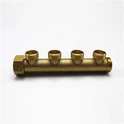
As a gas valve supplier, I understand the importance of choosing the right valve for your application. Whether you need a Handle Gas Valve, a Double-Fork Gas Valve, or a Trident Gas Valve, I can provide you with high-quality valves that meet your specific requirements. If you have any questions or need assistance in selecting the right valve for your application, please do not hesitate to contact me. I look forward to discussing your needs and helping you find the perfect solution.
References
- Crane, D. (2019). Valve Handbook: Selection, Applications, and Sizing. McGraw-Hill Education.
- Karassik, I. J., Messina, R. P., Cooper, P. E., & Heald, C. C. (2008). Pump Handbook. McGraw-Hill Education.
- Schweitzer, P. A. (2016). Valve Selection Handbook. Elsevier.