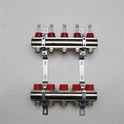
Hey there! As a supplier of Manifold Tail Pieces, I often get asked about the difference between brass and plastic ones. So, I thought I'd break it down for you in this blog post.
1. Material Properties
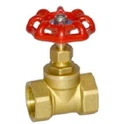
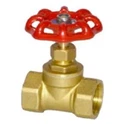
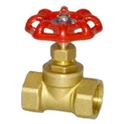
Let's start with the basics. Brass is a metal alloy made up of copper and zinc. It's been around for ages and has some pretty cool properties. First off, it's super durable. You can slap it around a bit, and it'll still hold up. It can handle high temperatures and pressure without issue. This makes it a top choice for industrial applications where things can get a bit rough.
On the flip side, plastic manifold tail pieces are usually made from polymers like PVC, CPVC, or PEX. These materials are lightweight and easy to work with. You don't need a lot of muscle to cut or install them. They're also corrosion - resistant, which means they won't rust like some metals can. However, they do have their limits when it comes to temperature and pressure.
2. Durability and Longevity
I've seen brass manifold tail pieces last for decades. In fact, in some old industrial facilities, the brass components are still going strong even after 50 or more years. That's because brass is resistant to wear and tear. It can handle the constant flow of fluid, whether it's water, oil, or gas, without getting eroded easily. The only thing that might affect it over time is exposure to certain chemicals, but even then, it usually takes a long while.
Plastic, on the other hand, has a shorter lifespan in most cases. While it's great for low - pressure and low - temperature applications, it can degrade faster when exposed to harsh environments. For example, if you use a plastic manifold tail piece in an area where there's a lot of sunlight, the UV rays can break down the plastic over time. Also, if the fluid flowing through it is too hot, the plastic can warp or melt.
3. Cost
Now, cost is always a big factor when you're making a decision. Brass manifold tail pieces are generally more expensive than their plastic counterparts. The raw materials for brass are pricier, and the manufacturing process is more complex. But you've got to think about the long - term. Sure, you'll pay more upfront for brass, but you won't have to replace it as often. So, in the grand scheme of things, it might actually save you money.
Plastic manifold tail pieces are much cheaper to produce. This means you can get them at a lower cost, which is great if you're on a tight budget. But remember, you might have to replace them more frequently, which can add up over time.
4. Installation
Installing brass manifold tail pieces can be a bit of a challenge. You'll usually need some special tools like a pipe cutter, a wrench, and maybe a soldering kit. It requires a certain level of skill to make sure the connections are tight and leak - free. But once it's installed, you can be pretty confident that it'll stay in place.
Plastic manifold tail pieces are a breeze to install. You can use simple hand tools like a plastic pipe cutter and some adhesive or compression fittings. There's no need for soldering or complex procedures. This is one of the reasons why plastic is so popular in DIY projects.
5. Applications
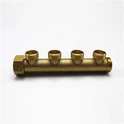
Brass manifold tail pieces are commonly used in industrial settings. Industries like plumbing, HVAC, and manufacturing rely on brass for its strength and reliability. For example, in a large commercial building's plumbing system, brass manifold tail pieces can handle the high water pressure and provide a stable connection. In the HVAC industry, they're used in systems that need to regulate temperature and air flow. Check out our Switch Valve Manifold and Four Way Brass Manifold for some great industrial - grade options.
Plastic manifold tail pieces are more often used in residential applications. They're perfect for things like home plumbing repairs or small - scale DIY projects. They're also used in some low - pressure irrigation systems. Our Temperature Control Manifold can be a good option for both residential and light - commercial use.
6. Environmental Impact
Brass is a recyclable material. When a brass manifold tail piece reaches the end of its life, it can be melted down and reused to make new products. This makes it a more sustainable choice in the long run.
Plastic, however, is a bit more of a problem. While some types of plastic can be recycled, a lot of it ends up in landfills. And as it breaks down, it can release harmful chemicals into the environment. So, if you're concerned about the environment, brass might be the better choice.


Conclusion and Call to Action
So, there you have it! The difference between brass and plastic manifold tail pieces boils down to durability, cost, installation, applications, and environmental impact. If you need a long - lasting, high - performance solution for an industrial or heavy - duty application, brass is the way to go. But if you're on a budget and doing a simple home project, plastic might be your best bet.
If you're interested in purchasing manifold tail pieces, whether brass or plastic, we'd love to have a chat with you. We can help you figure out which option is best for your specific needs. Just reach out to us, and we'll get the ball rolling on your procurement process.
References
- "Engineering Materials and Their Applications" by Donald Askeland and Pradeep Fulay.
- "Plumbing Engineering Design and Practice" by Ashok Surendran and Naushad S. Panchamia.