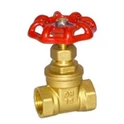
Hey there! As a supplier of brass valve spools, I often get asked about the corrosion resistance of these nifty little components. So, let's dive right in and talk about what makes brass valve spools resistant to corrosion and why it matters.
First off, brass is an alloy made primarily of copper and zinc. The exact composition can vary, but this combination gives brass some really cool properties. One of the most important ones is its ability to resist corrosion. Corrosion is basically the deterioration of a material due to chemical reactions with its environment. For valve spools, this can be a big deal because they're often used in environments where they're exposed to moisture, chemicals, and other corrosive substances.
The reason brass is so good at resisting corrosion has to do with the copper in it. Copper forms a thin layer of oxide on its surface when it's exposed to air. This oxide layer acts as a protective barrier, preventing further corrosion. Zinc also plays a role. It can react with the environment to form a protective layer of zinc carbonate, which further enhances the corrosion resistance of the brass.
Now, let's talk about the different types of corrosion that brass valve spools might face. One common type is general corrosion, which is a uniform loss of material over the surface of the spool. This can happen when the spool is exposed to a corrosive liquid or gas for a long time. Another type is pitting corrosion, which is more localized. It causes small holes or pits to form on the surface of the spool. This can be particularly problematic because it can weaken the spool and lead to failure.
But here's the good news. Our brass valve spools are designed to withstand these types of corrosion. We use high - quality brass that has the right balance of copper and zinc to maximize corrosion resistance. And we also have some special manufacturing processes that help to enhance the protective properties of the brass.
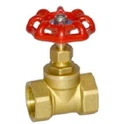
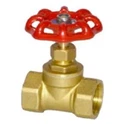
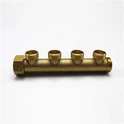
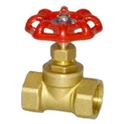
For example, we offer Pickled Brass Spool. The pickling process helps to remove any impurities from the surface of the brass, which can make it more resistant to corrosion. It also gives the spool a clean, smooth finish that looks great and is less likely to trap corrosive substances.
Our High - Quality Brass Spool is another option. These spools are made from the best quality brass available, and they go through a rigorous quality control process to ensure that they meet the highest standards of corrosion resistance.
The corrosion resistance of our brass valve spools is also affected by the environment in which they're used. For instance, if the spool is used in a saltwater environment, it will face more severe corrosion challenges than if it's used in a freshwater environment. Saltwater contains chloride ions, which can break down the protective oxide layer on the brass more easily. But even in these harsh conditions, our spools are built to last.
We've done a lot of testing to make sure that our brass valve spools can handle different environments. We expose them to various corrosive substances in the lab and monitor how they perform over time. This helps us to fine - tune our manufacturing processes and improve the corrosion resistance of our products.
Another factor that can affect the corrosion resistance of brass valve spools is the presence of other metals or alloys in the system. Sometimes, when different metals are in contact with each other in a corrosive environment, a phenomenon called galvanic corrosion can occur. This happens when there's an electrical potential difference between the two metals, which causes one metal to corrode faster than the other. To prevent this, we make sure that our brass valve spools are compatible with the other components in the system.


Now, you might be wondering how long our brass valve spools will last in terms of corrosion resistance. Well, it really depends on the environment and how well they're maintained. In a mild environment, our spools can last for many years without significant corrosion. But in a more severe environment, regular inspection and maintenance might be required to keep them in good condition.
One way to extend the life of our brass valve spools is to apply a protective coating. We can offer spools with different types of coatings, such as epoxy or powder coatings, which can provide an extra layer of protection against corrosion. These coatings can also help to reduce friction, which can improve the performance of the spool.
So, why should you choose our brass valve spools? Well, aside from their excellent corrosion resistance, they're also very durable and reliable. They're precision - made to ensure a perfect fit in your valve system, which can improve the overall efficiency of your equipment. And because we're a direct supplier, we can offer competitive prices without compromising on quality.
If you're in the market for brass valve spools, I encourage you to get in touch with us. Whether you need a small quantity for a one - time project or a large order for a long - term supply, we can help. We're here to answer all your questions and provide you with the best possible solutions for your valve spool needs. Let's start a conversation about how our corrosion - resistant brass valve spools can benefit your business.
References
- Metals Handbook: Corrosion, ASM International
- Corrosion Engineering, Pierre R. Roberge