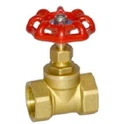
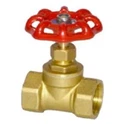
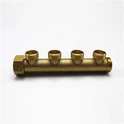
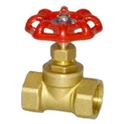
In the demanding environment of the mining industry, pipeline systems play a crucial role in transporting various substances such as slurries, ores, and chemicals. Filter ball valves are essential components within these pipelines, tasked with regulating the flow of materials and ensuring the efficient operation of the overall system. One of the most critical performance indicators for a filter ball valve in a mining pipeline is its wear resistance. This blog post will delve into the wear - resistance requirements for filter ball valves in the mining industry pipeline, and as a filter ball valve supplier, I will share some insights on how to meet these requirements.
Understanding the Wear Mechanisms in Mining Pipelines
Mining pipelines are subject to a variety of wear - causing factors. Abrasion is one of the primary forms of wear. The slurries transported in mining pipelines often contain hard particles such as quartz, feldspar, and other minerals. As these particles flow through the pipeline, they rub against the inner surfaces of the filter ball valve, gradually wearing away the material. Erosion is another significant wear mechanism. High - velocity fluid flow can cause the removal of material from the valve components, especially at areas where the flow direction changes, such as the valve seat and the ball surface.
Corrosion also contributes to wear in mining pipelines. The transported substances may be chemically aggressive, containing acids, alkalis, or salts. These chemicals can react with the valve material, leading to corrosion and subsequent weakening of the valve structure. In addition, cavitation can occur when the pressure in the pipeline drops below the vapor pressure of the fluid, forming vapor bubbles that collapse and cause damage to the valve surfaces.
Wear - Resistance Requirements for Filter Ball Valves
Material Selection
The choice of material for a filter ball valve is fundamental to its wear resistance. For the ball and seat, materials with high hardness and toughness are preferred. Stainless steel is a common choice due to its good corrosion resistance and relatively high hardness. However, in highly abrasive environments, materials like tungsten carbide - coated steel or ceramic may be more suitable. Tungsten carbide has excellent hardness and wear resistance, making it ideal for withstanding the abrasion caused by hard particles in mining slurries. Ceramics, on the other hand, offer superior hardness and chemical inertness, providing high resistance to both abrasion and corrosion.
For the valve body, materials that can withstand the internal pressure and the surrounding environment are required. Cast iron is often used for its strength and low cost, but in corrosive environments, stainless steel or lined cast iron may be more appropriate. The lining can be made of materials such as rubber or plastic, which provide an additional layer of protection against corrosion and abrasion.
Surface Finish
A smooth surface finish on the ball and seat of the filter ball valve can significantly reduce wear. A rough surface can cause more friction and turbulence in the fluid flow, increasing the likelihood of abrasion and erosion. By achieving a high - quality surface finish through processes like grinding and polishing, the contact area between the valve components and the fluid - borne particles is minimized, reducing the wear rate.
Design Considerations
The design of the filter ball valve also affects its wear resistance. A well - designed valve should have a streamlined flow path to minimize turbulence and pressure drops, which can reduce erosion and cavitation. The valve seat design is crucial as it directly contacts the ball and controls the flow. A properly designed seat can ensure a tight seal while minimizing the wear on both the seat and the ball. For example, a floating seat design can adapt to the movement of the ball, maintaining a good seal and reducing wear.
Our Offerings as a Filter Ball Valve Supplier
As a filter ball valve supplier, we understand the unique wear - resistance requirements of the mining industry. We offer a wide range of filter ball valves with different materials and designs to meet the diverse needs of our customers.
Our PPR Nickel Plated Ball Valve is a great option for applications where corrosion resistance is important. The nickel plating provides an extra layer of protection against chemical attack, while the PPR construction offers good mechanical properties and durability.
The Forged Brass Ball Valve is suitable for high - pressure mining pipelines. The forging process enhances the strength and density of the brass material, making it more resistant to wear and deformation.
Our PPR Spherical Valve is designed with a spherical shape for better flow control and reduced wear. The smooth spherical surface minimizes the friction and turbulence, improving the valve's overall performance and wear resistance.


Meeting the Wear - Resistance Requirements
To ensure that our filter ball valves meet the wear - resistance requirements of the mining industry, we conduct rigorous testing and quality control. We use advanced testing equipment to simulate the real - world conditions in mining pipelines, including abrasive flow, corrosion, and high - pressure environments. Our valves are tested for their wear rate, leakage rate, and sealing performance to ensure that they meet or exceed the industry standards.
We also work closely with our customers to understand their specific needs and applications. By providing customized solutions, we can optimize the valve design and material selection to achieve the best wear - resistance performance. For example, if a customer is dealing with a highly abrasive slurry, we may recommend a valve with a tungsten carbide - coated ball and seat.
Importance of Wear - Resistant Filter Ball Valves in Mining
Wear - resistant filter ball valves are essential for the reliable operation of mining pipelines. A valve with poor wear resistance can lead to frequent breakdowns and maintenance, resulting in costly downtime. In addition, worn valves may cause leakage, which can lead to environmental pollution and safety hazards. By using wear - resistant filter ball valves, mining companies can improve the efficiency of their operations, reduce maintenance costs, and ensure the safety of their workers and the environment.
Conclusion
In conclusion, the wear - resistance requirements for filter ball valves in the mining industry pipeline are complex and demanding. Material selection, surface finish, and design are all important factors that affect the valve's wear resistance. As a filter ball valve supplier, we are committed to providing high - quality valves that meet these requirements. Our diverse product range, including the PPR Nickel Plated Ball Valve, Forged Brass Ball Valve, and PPR Spherical Valve, is designed to provide solutions for different mining applications.
If you are in the mining industry and are looking for reliable filter ball valves with excellent wear resistance, we invite you to contact us for a detailed discussion on your requirements. Our team of experts will be happy to assist you in selecting the most suitable valve for your pipeline system.
References
- "Mining Pipeline Technology: Design, Construction, and Operation" by John Smith
- "Valve Handbook" by Valve Manufacturers Association
- "Wear and Corrosion in Industrial Pipelines" by International Journal of Pipeline Engineering